REVIEW · SIEM REAP
Explore Angkor Wat by Bike and Sunset
Book on GetYourGuide →Operated by The Guide Cambodia Travel · Bookable on GetYourGuide
Siem Reap is a whole different ride on two wheels. This Angkor Wat by bike + sunset tour strings together the big sights and the quieter jungle moments, with modern Giant mountain bikes and a route that saves the best view for late afternoon.
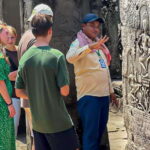
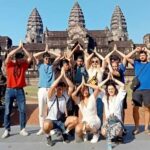
The second big win is the guide: Pok keeps the day moving and makes the temples click, plus he’s great with photos if you’re traveling solo. You’ll get an English-speaking storyteller who doesn’t just point—he explains what you’re looking at and why it matters.
One thing to plan for: the biking is physical. You’re looking at roughly 25–30 km at Angkor site speeds in hot weather, and it can feel exhausting if you’re not used to cycling (or if you’re bringing small kids).
In This Review
- Key things you’ll notice on this bike tour
- Why riding Angkor Wat by bike beats just hopping around
- Tour pace and timing: from 9:00 pickup to 6:30 return
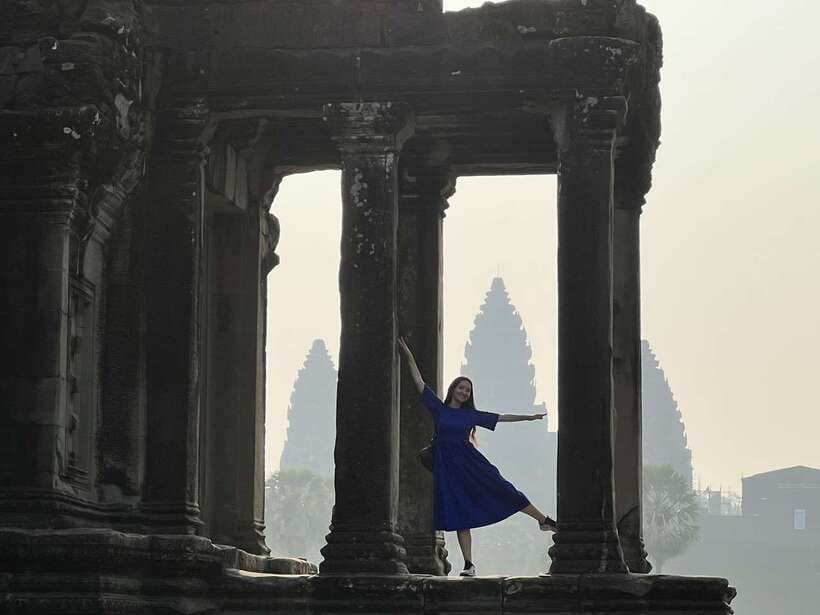
- Angkor Wat main temple: the big Khmer statement
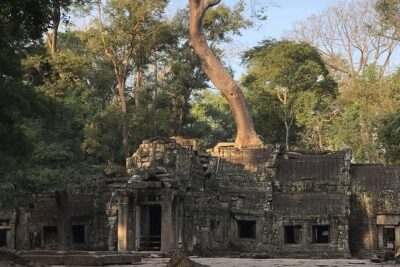
- Ta Prohm by bike: roots, ruins, and the Tomb Raider connection
- Ta Nei temple: the quieter jungle stop you can actually savor
- Angkor Thom east gate, Bayon faces, and the Terrace of Elephants
- Phnom Bakheng sunset: riding up for the classic view
- Bikes, comfort, and heat: who this tour fits best
- Price ($65) and whether it’s good value for Angkor
- Guide Pok’s touch: making temples easier to understand (and photos easier too)
- Should you book this Angkor Wat by Bike and Sunset tour?
- FAQ
- How long is the Angkor Wat by Bike and Sunset tour?
- What does the tour include?
- What is not included in the price?
- What’s the group size for this tour?
- Do I need to buy an Angkor Pass in advance?
- Is the tour guide English-speaking and is cancellation flexible?
Key things you’ll notice on this bike tour
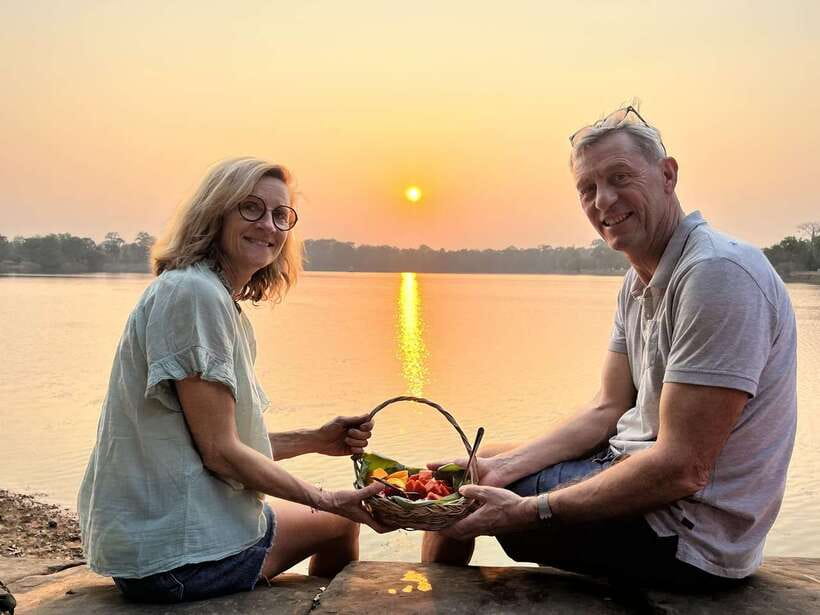
- Small group size (max 8) keeps the pace smooth and makes photo stops easier
- Modern Giant bikes with disc brakes, front suspension, and big gear ranges
- Ta Prohm is timed for great atmosphere, including the famous Tomb Raider film vibe
- Ta Nei adds a quieter temple stop you’ll likely miss on fast shuttle routes
- Angkor Thom + Bayon brings you face-to-face with the smiling stone heads
- Sunset at Phnom Bakheng caps the day with the classic mountain viewpoint
Why riding Angkor Wat by bike beats just hopping around
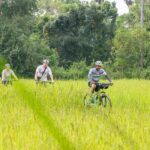
Angkor is huge. Even when you only target the headline temples, you lose time to waiting, parking, and the constant traffic choreography of tuk-tuks and cars. Cycling fixes that. You move at your pace, you stop when you want photos, and you get a better sense of how far the temple zone really stretches.
This tour leans into that advantage. You’re not just biking to check boxes—you’re biking to feel the place. Big temples sit alongside tree-lined paths, and the quieter stops in the jungle give you contrast. That matters at Angkor, because the best moments aren’t always the ones with the longest lines.
The other reason I like this format is control. With a small group (limited to 8), the route feels organized without feeling rushed. And with support transportation included, you’re not left alone if you’re struggling.
You can also read our reviews of more cycling tours in Siem Reap
Tour pace and timing: from 9:00 pickup to 6:30 return
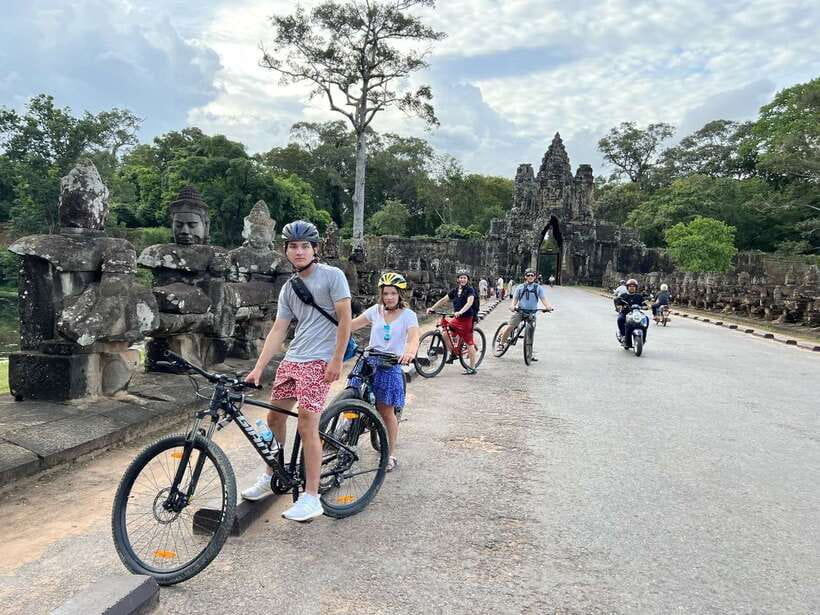
The day is built around a full circuit: early temples, a mid-day break, afternoon jungle and city-temple highlights, then sunset.
Here’s the rhythm you should expect:
- 9:00 am: pickup from your hotel by tuk-tuk or car
- 11:00 am: start cycling toward Ta Prohm and viewpoints tied to that area
- 12:30 pm: lunch break at a local restaurant
- 2:00 pm: cycle onward toward Ta Nei
- 3:00 pm: enter the east gate of Angkor Thom, then visit Bayon
- Terrace of Elephants is included in the same block of Angkor Thom time
- 4:30 pm: ride up for sunset on Phnom Bakheng
- 6:30 pm: drop back to your hotel
That timing is practical for two reasons. First, it front-loads the most famous temple so you’re not fighting a late-day schedule. Second, it makes room for a real lunch and then uses the afternoon energy for the biking segments and city-temple walking.
Angkor Wat main temple: the big Khmer statement
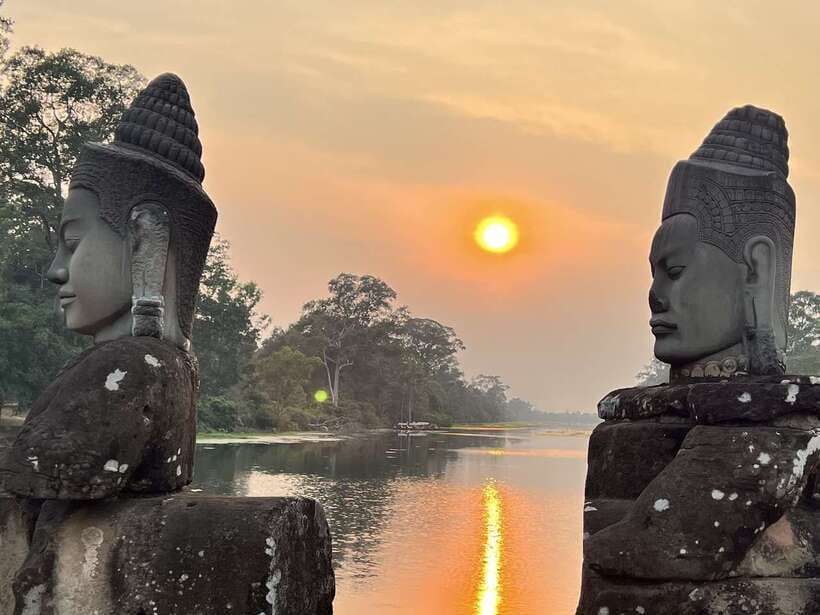
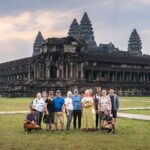
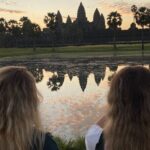
Most Angkor trips start with Angkor Wat, and this one does too. You arrive in the morning and get time to take in the scale and the design. Angkor Wat is considered the greatest temple of the Khmer empire, and that reputation makes sense once you’re standing in front of the architecture rather than seeing it in photos.
What I like about this setup is that you’re not forced to sprint. You start the day with the anchor temple, then you’re free later to compare it to the very different feel of Ta Prohm and Ta Nei. Even if you’re not a temple expert, the contrasts teach you quickly: formal stone geometry at Angkor Wat, then the jungle swallowing the edges at Ta Prohm and Ta Nei.
Practical note: Angkor Wat is part of the area where you need your Angkor Pass, but it’s not included in this tour price. Plan on getting that separately so you’re not stalling at the ticket step.
Ta Prohm by bike: roots, ruins, and the Tomb Raider connection
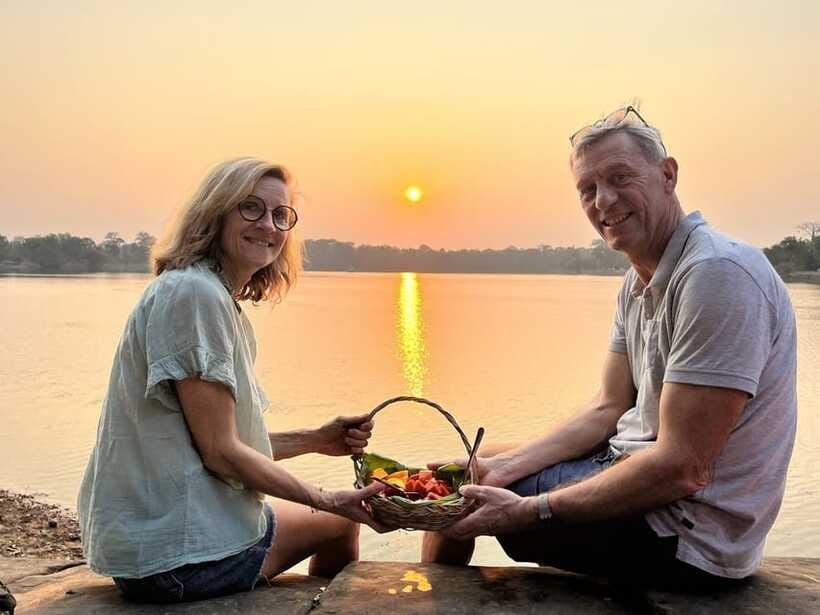
After lunch is when you’d expect biking to get tiring—but Ta Prohm comes earlier in the day, right after the first temple time. That’s smart, because Ta Prohm is a temple you want to see slowly. The best views are in the spaces between structures and along the root systems that cling to stone.
This is also the temple everyone recognizes for the look that was used in the movie Tomb Raider (the Angelina Jolie-era version). Even if you’re not hunting for pop-culture references, it still hits. You see how trees can grow into a place and reshape its mood. It’s not just pretty ruins—it’s a living collision between nature and the Khmer builders.
By biking, you get there with less time lost than car-only tours. You also get more chances to pause for the photo angles that make Ta Prohm feel like a film set.
Ta Nei temple: the quieter jungle stop you can actually savor
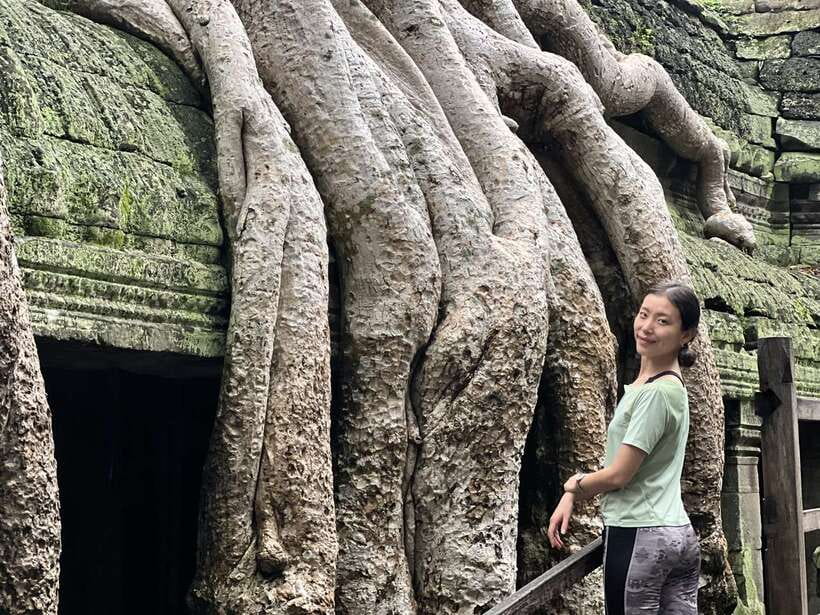
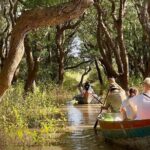
Then the ride takes you toward Ta Nei, described as a less-visited trail temple. This is the kind of stop that changes how your day feels. When you shift from the spotlight temples to a more secluded site, you suddenly hear birds again and stop feeling like you’re constantly threading through groups.
Ta Nei is a ruined temple setting in the jungle, and that context matters. You’re not just seeing stone; you’re experiencing the way forest growth changes what a site communicates. For many people, this is the moment the tour stops being a checklist and starts becoming a story you remember.
If you’re the type who enjoys “the second act” of tours—the part after the famous shots—this stop is a strong reason to pick this route.
You can also read our reviews of more evening experiences in Siem Reap
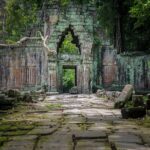
Angkor Thom east gate, Bayon faces, and the Terrace of Elephants
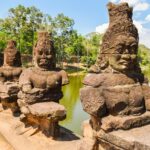
Angkor Thom is where the day turns from jungle atmosphere back into grand city-temple energy. You enter through the east gate, then you’re in Bayon, famous for the stone faces—those smiling heads people come to see in person.
This section works well because you’re not just looking at one facade and moving on. You also get the context of Bayon as part of a larger ceremonial space tied to the Mahayana Buddhist king Jayavarman VII. You’ll see how the temple functions within Angkor Thom’s layout, not as a lone attraction.
Then you continue to the Terrace of Elephants. This is the terrace where the king observed elephants training, and it’s a useful way to understand how power, performance, and ritual were built into the stone environment.
If you’ve ever felt like Angkor photos don’t show scale or intent, the Angkor Thom block is where it starts to click. You see the faces, you see the terrace, and your brain connects the temple to real daily life and ceremony.
Phnom Bakheng sunset: riding up for the classic view
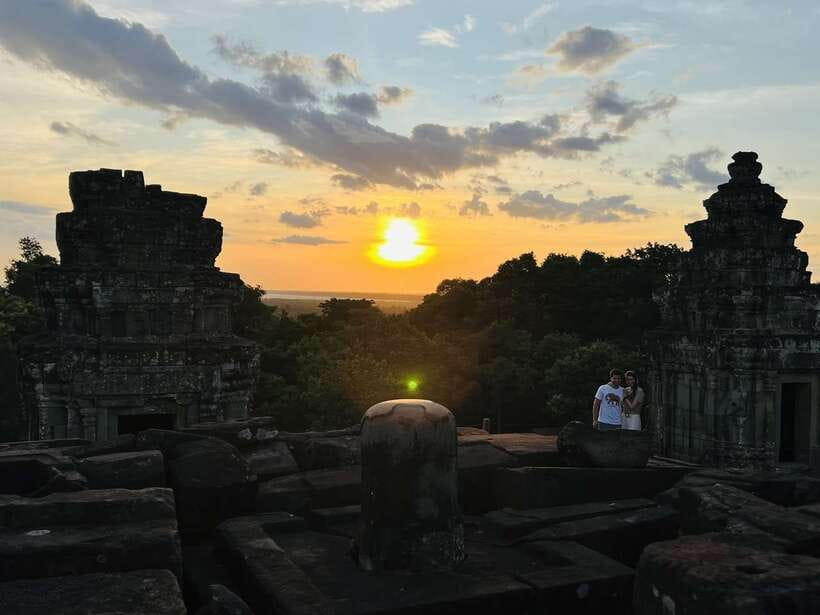
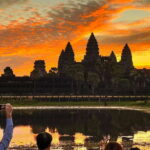
The final highlight is sunset from the mountain viewpoint at Phnom Bakheng. The day has been hot and active, and this is where the tour cashes in that effort with a payoff view.
What I like about how this is scheduled is that you aren’t forced into sunset at the expense of your earlier temple time. The tour gets you through Angkor Wat, Ta Prohm, Ta Nei, Bayon, and the Terrace of Elephants first, then saves the hardest moment—climbing and timing—for the end.
Two practical considerations:
- Bring comfortable shoes and expect uneven surfaces for the last part.
- Sunrise and sunset crowds can shape your experience at popular viewpoints; the best strategy is to stay flexible and follow your guide’s direction on where to stand and when to move.
Bikes, comfort, and heat: who this tour fits best
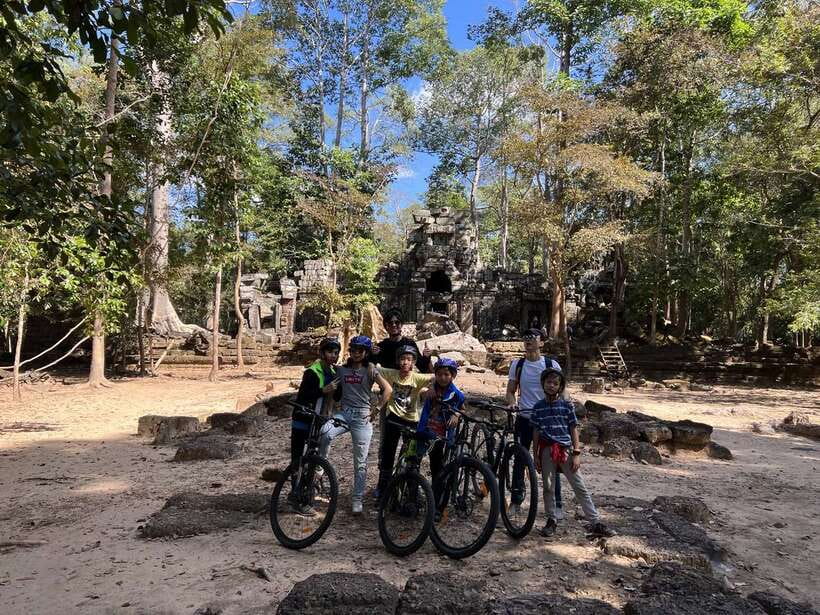
This tour includes helmets, plus modern mountain bikes—specifically Giant bikes—with large gear sets, disc brakes, and good front suspension. That combination matters at Angkor because you might roll over compacted paths, rough edges, and occasional uneven sections.
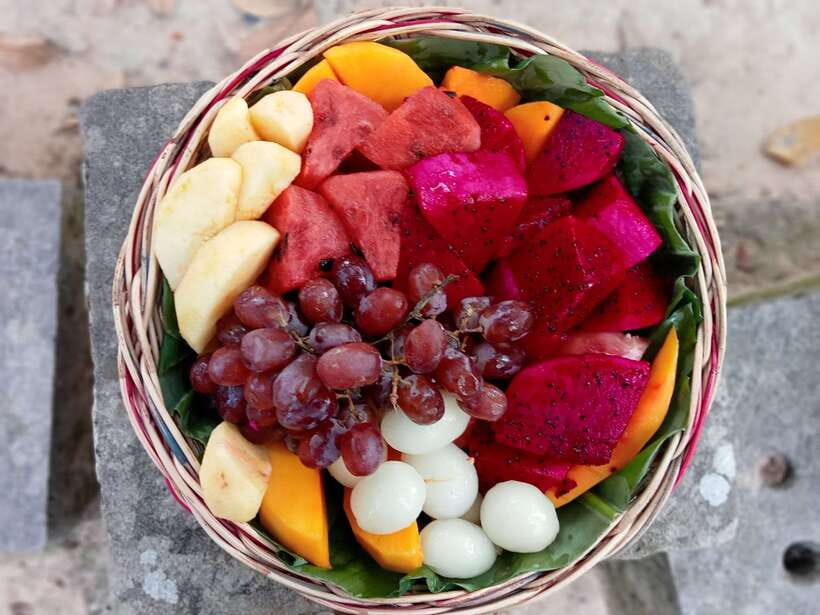
The included water bottle, Coke, and fresh fruits, along with lunch, also help you keep going. You’re not relying only on whatever you find at the side of the road.
Still, you should be honest with your fitness level. This is a long ride, roughly 25–30 km, and it can feel challenging if you’re not used to cycling or if you’re bringing very young kids. The heat can turn a good day into a slow grind. If that sounds like you, you’ll probably feel happier choosing a more relaxed option.
On the plus side, the tour is a small group, so you can ask Pok for small pacing adjustments and stop breaks without derailing the whole ride.
Price ($65) and whether it’s good value for Angkor
At $65 per person for a 9-hour day, this tour is priced like a serious temple outing, not a short sightseeing shuffle. You’re paying for five things that add real value:
- A professional English-speaking guide (Pok) who guides you through multiple temple zones
- Quality biking gear: modern Giant bikes, suspension, disc brakes, and helmets
- Food and drinks: lunch plus water, Coke, and fresh fruits
- Support transportation during the route
- Hotel pickup and drop-off by tuk-tuk or car
The biggest cost you should budget for on top is the Angkor Pass, since it’s not included. That means your real “all-in” day cost will be a bit higher depending on the pass you choose.
If you want the best value, think like this: would you otherwise pay separately for guide time, bike rental quality, and a structured route that includes sunset? If the answer is yes, this price starts to look fair. If you’re the type who prefers private cars and minimal effort, you might not feel the same value.
Guide Pok’s touch: making temples easier to understand (and photos easier too)
A guide can make or break Angkor. What I like here is the blend of humor, pacing, and explanations. Pok is the kind of guide who keeps the day from turning into silence and camera-only work. He helps you understand what you’re seeing at Angkor Wat, then carries that context through Ta Prohm and Bayon.
There’s also a practical photo bonus. If you’re traveling solo, Pok can help you with pictures so you’re not stuck using your phone as a tripod experiment. His photo skills are part of the appeal—small thing, big payoff when you want memories with real framing.
If you care about learning a few grounded facts without getting lectured, this guide style fits.
Should you book this Angkor Wat by Bike and Sunset tour?
Book it if you:
- want a full-day Angkor route with both famous and less-visited temple moments
- enjoy cycling and can handle a long ride in warm weather
- like the idea of sunset from Phnom Bakheng after a structured day
- want a small group experience capped at 8
Consider a different tour if you:
- are uncomfortable with about 25–30 km of biking
- need a very gentle pace for health or family reasons
- haven’t planned for the Angkor Pass and would rather avoid extra steps
If you’re a confident rider and you want an efficient, memorable way to see Angkor without feeling like you’re just being transported from point to point, this one is a strong pick.
FAQ
How long is the Angkor Wat by Bike and Sunset tour?
It runs for 9 hours, starting with pickup around 9:00 am and finishing with return to your hotel at about 6:30 pm.
What does the tour include?
Included are a professional English-speaking tour guide, modern Giant mountain bikes (with disc brakes and front suspension), helmet, bottle water, Coke, fresh fruits, lunch, support transportation, and hotel pickup/drop-off by tuk-tuk or car.
What is not included in the price?
You’ll need to pay for the Angkor Pass separately, and you should also budget for personal expenses.
What’s the group size for this tour?
The tour is a small group, limited to 8 participants.
Do I need to buy an Angkor Pass in advance?
Yes. The Angkor Pass is not included, so you’ll need to obtain it separately before or for your visit.
Is the tour guide English-speaking and is cancellation flexible?
Yes, the tour has a live English-speaking guide, and it offers free cancellation up to 24 hours in advance for a full refund.