REVIEW · SIEM REAP
Cambodian Art Tour in Siem Reap Including Apsara Show with Optional Angkor Tour
Book on Viator →Operated by Siem Reap Angkor Travel and Tour · Bookable on Viator
Silk, lacquer, and dancing in one evening. This Cambodian art tour in Siem Reap does a great job connecting hands-on craft basics with the show you came for: Apsara dance wrapped into a 4-course Khmer dinner at a 5-star setting. I especially like the way the itinerary spreads your attention across different craft forms—silk production, lacquer work, and metal jewelry—rather than turning it into one long sales stop. The only real watch-out is timing: if earlier parts run late, the silk farm can be the one that gets skipped when it closes.
The tour runs as a private outing, so you’re not stuck in a crowded group shuffle. That matters here, because you’ll want to ask questions like what makes a piece good-quality and how artisans handle materials.
One more consideration: Angkor is optional, and the Angkor pass cost can add up if you choose it. It’s still a solid value day, but it’s worth adding that extra line item to your budget before you book.
In This Review
- Key Things You’ll Actually Notice
- How the 8 Hours Flow (Pickup to Drop-Off)
- Khmer Art Starts with Real Craft Skills (Not Just Souvenirs)
- Artisans d’Angkor Workshops: The Quality Checks You’ll Appreciate Later
- Silk Farm Stop: Fascinating Techniques, But Timing Matters
- What you should do to reduce the odds of disappointment
- A Contemporary Gallery With Traditional Techniques in Modern Form
- Optional Angkor in the Morning: Great, But Budget the Pass
- Practical tip
- The Apsara Dance Dinner Show: What Makes It Worth Your Evening
- How the dinner experience can vary
- Guides, Flexibility, and the Night Market Moment
- A small strategy for you
- Price and Value: When $56.42 Makes Sense
- Where the value can shift
- Who This Tour Suits Best (And Who Might Want Another Option)
- Book It or Skip It? My Honest Take
- FAQ
- Is hotel pickup and drop-off included?
- What time does the tour start?
- How long is the tour?
- Is the Angkor entrance pass included?
- What’s included with the dinner and show?
- Can I request a vegetarian option?
- Is this tour private?
- Can I cancel for a full refund?
Key Things You’ll Actually Notice
- Craft demos that explain quality, not just finished products, including lacquer and silver work at the Artisans d’Angkor workshops
- A silk-farm walkthrough covering mulberry plantations, silkworm farming, and techniques like cocoon unwinding and ikat dying
- A contemporary gallery stop tied to modern Khmer design and lacquering techniques
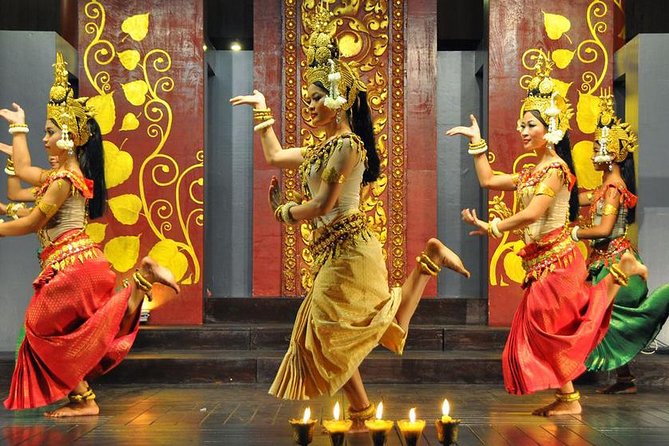
- Apsara dance timed between courses, with a program that helps you track what you’re seeing
- Private pacing with an English-speaking guide, including flexibility when the day needs it
How the 8 Hours Flow (Pickup to Drop-Off)

This is an about 8-hour private tour with hotel pickup and drop-off. Your guide collects you either at 9:00am or 2:30pm, depending on which option you select.
If you choose the full-day plan with Angkor, you’ll use the morning for temples, then shift into crafts and art in the afternoon. If you skip the Angkor option, the day becomes more focused on the creative side and the evening show.
The evening wraps up late—around 9:30pm—and you’ll be dropped back at your hotel after dinner and Apsara performances. Since the dinner is structured in a set menu format, it’s a good day to skip a big lunch beforehand.
You can also read our reviews of more tours and experiences in Siem Reap

Khmer Art Starts with Real Craft Skills (Not Just Souvenirs)
Where many “art tours” in tourist hubs turn into shopping circuits, this one is built around process. You’ll learn how things are made and what to look for—especially at the Artisans d’Angkor workshop area, where demonstrations cover multiple crafts.
In other words, you’re not only seeing the end result. You’re getting the “how”: what materials artisans use, how they shape them, and what marks higher quality. I think that’s the difference between buying a random trinket and taking home something you actually understand.
A big plus for me is that the tour includes multiple craft categories across the day:
- lacquer techniques
- wood and stone carving concepts (demonstrations focus on traditional methods)
- silver jewelry making
- ceramics and other handicraft displays
- silk production, from plant to finished fabric
And yes, there are opportunities to buy at each stop, but the tour is clear that you’re not required to purchase anything. That keeps the vibe more honest.
Artisans d’Angkor Workshops: The Quality Checks You’ll Appreciate Later
At the Artisans d’Angkor workshops, you’re set up to stroll around artisan spaces and watch demonstrations. This is the point in the day where your brain starts to connect design choices to technique.
Your guide will talk through methods and also how to determine quality from what you’re seeing. That’s a practical skill—because in markets, the hardest part is knowing whether a piece is well-made or just well-marketed.
I also like that the tour doesn’t treat each craft as one-size-fits-all. You’ll be exposed to different processes and the logic behind them. That helps if you’re trying to choose a souvenir that won’t fall apart after a few trips.
One useful detail from how guides can run this: on at least one outing, the guide adjusted the plan to include art elements the group hadn’t seen yet. That’s a good sign for you, because it means you may not be locked into a rigid script if the timing or interests shift.
Silk Farm Stop: Fascinating Techniques, But Timing Matters
The silk farm portion is one of the most memorable parts when it’s scheduled smoothly. You’ll walk through mulberry plantations and learn about silkworm farming, then see traditional techniques such as:
- cocoon unwinding
- ikat dying (dyeing fabric in patterns)
- silk weaving
The tour also shows you beautiful silk displays at the end of this section. Even if you’re not buying, it’s the kind of visit that makes you understand why silk looks the way it does.
Here’s the one caution: silk farms are often “hours-dependent” based on the day’s production and access. In a real example, the silk farm stop was missed because the guide said it was closed, and the timing didn’t leave enough room to reach it before it shut. That doesn’t mean it always happens, but it tells you where the risk lives.
What you should do to reduce the odds of disappointment
- If silk is your priority, tell your guide early that you want to see the silk farm segment no matter what.
- Ask for confirmation on timing as you move through the day.
- Wear shoes that handle uneven paths, because this is a working environment, not a showroom.




A Contemporary Gallery With Traditional Techniques in Modern Form
After the workshops and silk stop, the day shifts from “traditional production” to “modern interpretation.” You’ll visit a contemporary gallery featuring a Cambodian artist known for modern designs and lacquering techniques.
You can expect a guided introduction to the artist’s approach, plus a look at an atelier-style setup where traditional craft meets contemporary design. If you’ve ever wondered why Khmer arts keep evolving instead of freezing in time, this section is where the answer starts to click.
This is also a helpful moment for your shopping brain. Instead of buying only based on style, you’ll understand how traditional methods can support modern design choices—and that makes your purchases feel less random.
Optional Angkor in the Morning: Great, But Budget the Pass
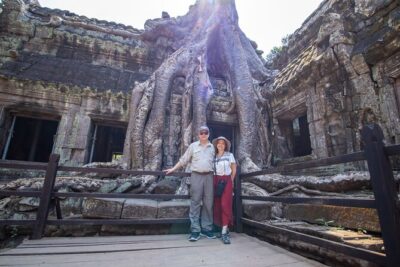
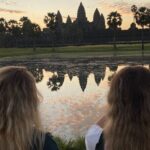
If you select the Angkor option, your morning is devoted to UNESCO-listed temples with your private guide. The plan can include sights like Angkor Wat, Angkor Thom, and Ta Prohm.
Two key things to know:
- Angkor entrance fees are not included in the base tour package.
- If you choose the Angkor Wat option, the pass cost is listed as $37 per person per day.
So yes, it’s a meaningful add-on. But it’s also where a day like this justifies its “full-day” label. Seeing Angkor alongside an art-focused afternoon creates a nice arc: stone architecture in the morning, then human hands and materials later.
Practical tip
If you’re adding Angkor, plan on early morning momentum. You’ll be under time pressure to move through sites and still make it to craft stops later.
The Apsara Dance Dinner Show: What Makes It Worth Your Evening
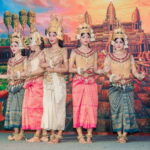
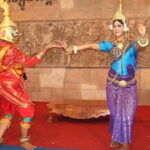
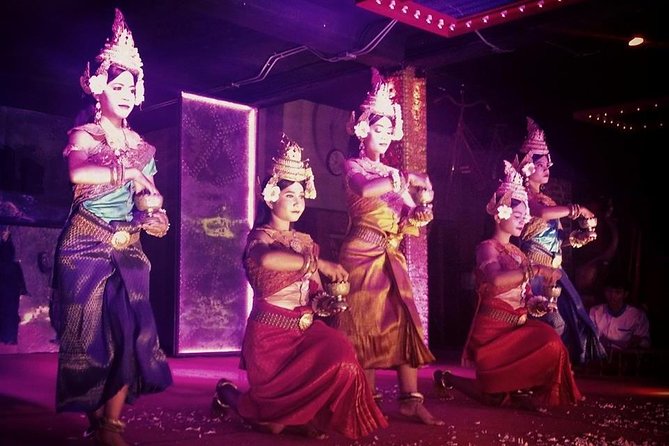
The tour ends with a dinner show built around a set menu of typical Khmer cuisine, served in an intimate garden pavilion at a 5-star location. You’ll eat a 4-course dinner, and Apsara dance performances happen in between courses.
Apsara dance is described as dating back to Angkorian times, and your program should help you track the dance types you’re watching. That’s the kind of small support that makes the show more enjoyable, because you’re not just watching costumes—you’re understanding what the movements are signaling.
How the dinner experience can vary
The dinner is generally positioned as a highlight, but food quality can be personal. One example showed dinner as good, while another felt the food wasn’t as good as other places they’d eaten in Siem Reap. The consistent part is the structure: Khmer courses, a set-menu pace, and performances woven through the meal.
If you’re picky about dinner, don’t assume you’ll love every course. But if you enjoy a calm, well-paced evening with performances rather than a crowded show-only circuit, this format usually lands well.
Also note: beverages during dinner aren’t included, so budget for drinks if you plan to have them.
Guides, Flexibility, and the Night Market Moment
This is a private tour with an English-speaking driver/guide, which can make a real difference on a day like this. Crafts take time, questions take time, and you don’t want to feel rushed while you’re standing in front of something you actually care about.
On one outing, the guide adjusted the art tour based on what the group hadn’t yet seen. On another, the guide stopped at the night market beforehand so the group could buy a CD of traditional music, then personally helped get them settled at the restaurant.
That matters for you because it signals an approach: your guide isn’t just a taxi with a script. They may add a small cultural stop or help you handle dinner logistics smoothly.
A small strategy for you
Bring a short list of what you want most:
- silk production, or lacquer, or silver work
- a souvenir you actually understand
- a better feel for the Apsara dances
A good guide can steer your day with those priorities in mind.
Price and Value: When $56.42 Makes Sense
The price listed is $56.42 per person, with a tour duration around 8 hours. That’s not a random lowball number—this kind of pricing can be a good deal because the package includes:
- hotel pickup and drop-off
- private transport in an air-conditioned car
- Khmer dinner (set menu) at a 5-star location
- entrance fees (with the Angkor pass handled separately if you choose it)
- English-speaking driver/guide
- mobile ticket
So you’re not only paying for “a car and a show.” You’re paying for multiple guided stops, transport, and a structured dinner evening.
Where the value can shift
- If you add Angkor, budget the $37 per person pass for that day.
- Drinks during dinner cost extra.
- If your priority is only one thing (just Angkor, or just the show), you might feel this tour is “more than you need.” If you want a full creative arc, it’s a better fit.
For the right traveler—someone who likes crafts, enjoys a well-timed cultural evening, and wants one private day in Siem Reap—this can be strong value.
Who This Tour Suits Best (And Who Might Want Another Option)
This is a great match if you:
- enjoy art and want to understand the process behind the products
- like hands-on demonstrations and quality explanations
- want Apsara dance without rushing between ten different stops
- want a private setup with pickup and drop-off
It may be less ideal if you:
- only care about Angkor temples and want minimal daytime structure
- hate set-menu dinners and prefer to pick your own restaurants
- are very sensitive about timing—because the day includes multiple stops and one late stretch can affect whether the silk farm operates as planned
Since most travelers can participate, it’s broadly accessible, but comfortable shoes matter. You’ll be doing walking through craft spaces and the farm area.
Book It or Skip It? My Honest Take
I’d book this tour if you want a single, organized day that connects Cambodian craft traditions to the cultural performance that many visitors come for. The biggest strength is the way the afternoon is built around understanding—silk, lacquer, and workshop demonstrations—then finishing with Apsara dance and a Khmer dinner in an elegant setting.
I’d think twice before booking only if your must-see is strictly Angkor or only the Apsara show. In those cases, you can end up paying for extra craft stops you don’t care about.
And if silk is high on your list, do yourself a favor: set the expectation with your guide early and ask about timing as you go. That one move can protect the most time-sensitive part of the itinerary.
FAQ
Is hotel pickup and drop-off included?
Yes. The tour includes pickup and drop-off from your hotel.
What time does the tour start?
Pickup is offered either at 9:00am or at 2:30pm, depending on the option you choose.
How long is the tour?
It’s about 8 hours.
Is the Angkor entrance pass included?
Angkor entrance fees are not included. If you choose the Angkor Wat option, the pass is listed as $37 per person per day.
What’s included with the dinner and show?
The tour includes a Khmer set-menu dinner at a 5-star location, plus Apsara dance performances. Beverages during dinner are not included.
Can I request a vegetarian option?
Yes. A vegetarian option is available if you advise at the time of booking.
Is this tour private?
Yes. It’s a private tour/activity, and only your group participates.
Can I cancel for a full refund?
Yes, you can cancel up to 24 hours in advance for a full refund. Cancellations closer than 24 hours aren’t refunded.