REVIEW · SIEM REAP
Cambodia 7 Days Tour from Siem Reap to Battambang and Phnom Penh
Book on Viator →Operated by About Cambodia Travel & Tours · Bookable on Viator
Seven days, three cities, nonstop stories. This tour is interesting because it links major Cambodia highlights in one line—from Angkor Wat to the Khmer Rouge sites in Phnom Penh—while still giving you non-temple detours like a bamboo train ride and a peace-focused museum. I like the way the days balance spectacle with meaning, and you get enough time at each stop to actually understand what you’re seeing rather than just collecting photos.
One drawback to plan for: the itinerary is packed, and Day 6 is emotionally heavy. If you’re sensitive to genocide-related sites, keep your evenings low-key and bring extra water and a snack for your hotel break.
In This Review
- Key highlights worth your attention
- The route: Siem Reap to Phnom Penh via Tonle Sap and Battambang
- Day 1: Arrival in Siem Reap and where you’ll sleep
- Day 2: Angkor Thom and Angkor Wat, from gates to the temple-mountain
- Angkor Thom South Gate and Bayon
- Baphuon, Phimeanakas, and the Terrace moments
- Ta Prohm and Angkor Wat
- Phnom Bakheng at the end
- Day 3: Tonle Sap Lake life, Kampong Phluk, and Siem Reap’s quieter culture
- Kampong Phluk Floating Village
- Artisans Angkor: Khmer craft with a jobs angle
- Wat Bo and the Royal Residence
- Day 4: Battambang by norry bamboo train, markets, pagodas, and bats
- Bamboo Train: why it’s worth your morning energy
- Battambang Central Market and White Elephant Pagoda
- Cambodia Peace Gallery and recovery-focused context
- Ek Phnom, Phnom Sampeau, and Bat Caves
- Ta Dumbong Kra Aung statue
- Day 5: A countryside day to Phnom Penh with Udong and a meditation stop
- Udong Mountain
- QQW7+WQH meditation center
- Day 6: Phnom Penh royal sights plus Khmer Rouge sites that hit hard
- Cheung Ek killing field first
- Royal Palace, Silver Pagoda, and Wat Phnom
- Independence Monument and Norodom Sihanouk memorial
- Wat Ounalom
- Tuol Sleng and Choeung Ek
- Central Market to end the day
- Day 7: Fly out of Techo International Airport
- How $1,025.05 turns into real value (and what it doesn’t cover)
- Hotels and pacing: where the tour feels smooth
- Who this Siem Reap to Battambang to Phnom Penh tour fits best
- Should you book this Siem Reap–Battambang–Phnom Penh loop?
- FAQ
- How long is the Cambodia 7 Days Tour from Siem Reap to Battambang and Phnom Penh?
- Where does the tour start and end?
- Is pickup offered?
- Is this tour private or shared?
- What is included in the price?
- What is not included?
- Do you pay extra for a single room?
- Where will I get breakfast during the trip?
- Can I cancel for a refund?
Key highlights worth your attention
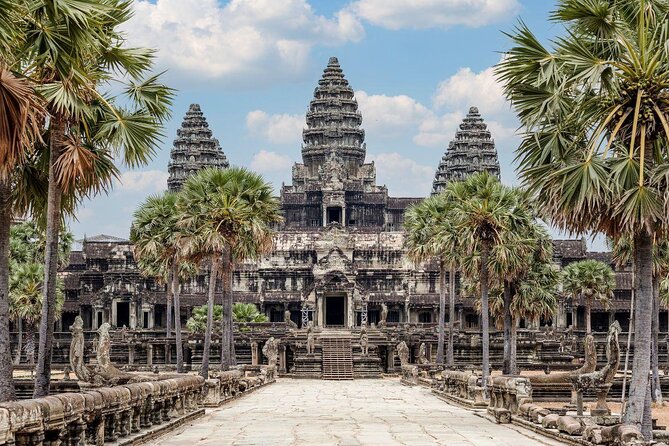
- Angkor Thom to Ta Prohm to Angkor Wat in one efficient, guided sequence
- Kampong Phluk on Tonle Sap Lake, plus a stop at Artisans Angkor
- Battambang by bamboo train (norry) and then the bat caves at sunset
- Cambodia Peace Gallery for a recovery-and-peace angle, not just war
- Phnom Penh history day: royal sights paired with Tuol Sleng and Choeung Ek
- Careful, organized travel praised in feedback, with standout guiding support
The route: Siem Reap to Phnom Penh via Tonle Sap and Battambang
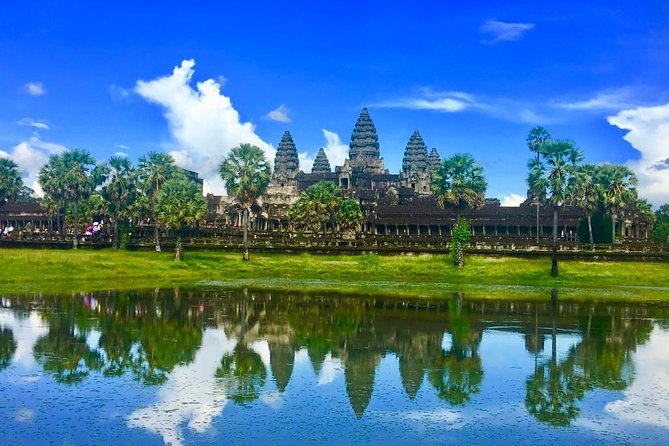
Think of this trip as a straight storyline across Cambodia: sacred Angkor power in the north, everyday life on the lake, then a slower-paced feel in Battambang, before Phnom Penh’s royal grandeur and modern history weigh in.
You start in Siem Reap and finish in Phnom Penh (with a farewell transfer to Techo International Airport). Between them, the route passes Tonle Sap and Battambang, so you’re not only living in temple rooms and museum halls—you’re also seeing markets, pagodas, countryside viewpoints, and local craftsmanship.
This matters for value. A lot of Cambodia itineraries bounce between too many places without context. Here, the pattern is consistent: get oriented with a guide, move efficiently by private transport, and build understanding as you go.
You can also read our reviews of more tours and experiences in Siem Reap.
Day 1: Arrival in Siem Reap and where you’ll sleep
On arrival at Siem Reap Angkor International Airport, you’re met by your driver and guide. Then you transfer to your Siem Reap hotel. The tour includes accommodation based on your chosen option, with 3-star to 5-star choices (Royal Crown Hotel & Spa, Regency Angkor Hotel, or Angkor Paradise Hotel, or similar).
Why this helps you: after a travel day, you want a calm landing. These hotels put you in a practical base area for starting early the next morning. If you’re the type who likes a hot shower and a reliable breakfast before temples, the setup is designed for that.
What to know: hotel standards are listed by star level, but rooms can vary. If you care about quieter surroundings or a specific bed setup, ask when booking for your best-fit room arrangement.
Day 2: Angkor Thom and Angkor Wat, from gates to the temple-mountain
Day 2 is the day you’ve been hearing about your whole life: Angkor Thom South Gate, then a chain of signature temples that builds momentum. The route is classic for a reason. You’ll start at Angkor Thom’s South Gate, then work through Bayon, Baphuon, Phimeanakas, and key terraces before landing at the big icons.
Here’s why that order works for your brain:
Angkor Thom South Gate and Bayon
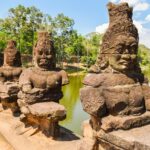
The South Gate is your entry point into the walled city idea—scale becomes real once you’re inside. From there, Bayon Temple (built in the late 12th century) is the face-focused stop that makes people stop talking and just stare. The guide time here is the difference between seeing carvings and understanding what the place meant in its royal setting.
Baphuon, Phimeanakas, and the Terrace moments
Baphuon gives you another look at temple design choices—different levels, different layout logic. Near the royal palace area, Phimeanakas adds that sense of where power sat. Then you move to two standout relief-driven viewpoints: Terrace of the Elephants and Terrace of the Leper King.
Even if you skip the legends, the terraces matter because they show how art was used to communicate authority and ceremony.

Ta Prohm and Angkor Wat
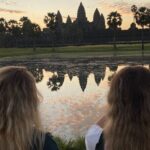
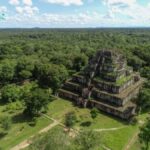
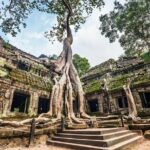
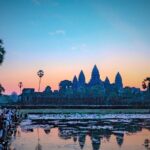
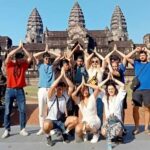
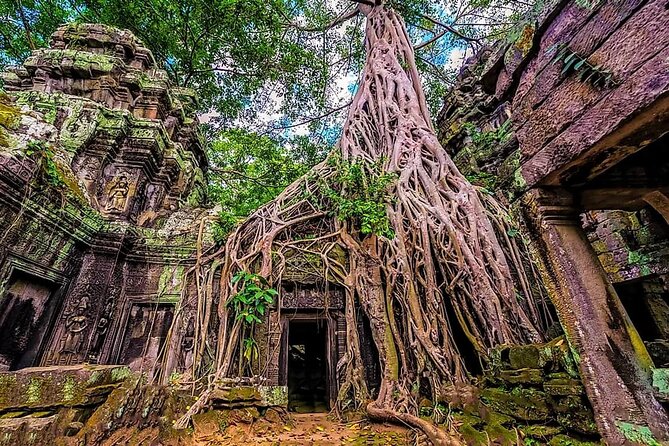
Then comes Ta Prohm, famous for trees growing through stone and the “ruins-with-attention” feeling. Finally, you reach Angkor Wat, the best-preserved centerpiece of the whole Angkor Archaeological Park.
Practical note: Angkor days can feel like a workout. Bring sunscreen, expect walking on uneven surfaces, and don’t plan a late-night schedule after. Temples are amazing, but heat and long hours are real.
Phnom Bakheng at the end
Day 2 also includes Phnom Bakheng Temple. It’s a temple-mountain option that gives you a view payoff once you’re done with the architectural focus. It’s a smart closer because it shifts your attention from details to the wider scene.
Day 3: Tonle Sap Lake life, Kampong Phluk, and Siem Reap’s quieter culture
Day 3 shifts gears away from the Angkor core and into lived-in Cambodia. You start with Tonle Sap Lake, described as the largest freshwater body in Southeast Asia, tied to carp breeding and harvesting. That’s not just trivia—the lake economy shapes how people live.
Kampong Phluk Floating Village
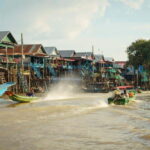
Then you visit Kampong Phluk Floating Village. Mangroves add a natural backdrop, and the village setting helps you understand how adaptation to seasons is a daily skill, not a tour concept. This is the kind of stop where a guide adds value by explaining what you’re seeing rather than leaving you to guess.
Artisans Angkor: Khmer craft with a jobs angle
You also stop at Artisans Angkor, a social business creating job opportunities for young people in rural areas while reviving traditional Khmer craftsmanship. I like this type of stop because it turns “souvenir time” into something with context.
If you like buying handmade pieces, it’s a better place to start than the first shop you see. Just remember: handmade items vary. Take your time, compare options, and only buy what you actually want to live with.
Wat Bo and the Royal Residence
Day 3 also includes Wat Bo Temple, noted for well-preserved wall paintings from the 19th century. Then there’s the Royal Residence, a royal villa used when the King visits Siem Reap.
These stops give you a more rounded Siem Reap feel—less big-archaeology, more day-to-day heritage.
Day 4: Battambang by norry bamboo train, markets, pagodas, and bats
Battambang is where the trip feels less rushed and more “Cambodia-in-real-life.” The headline here is the bamboo train (norry), described as simple, essential transport that’s fun to ride and generally on time.
Bamboo Train: why it’s worth your morning energy
A bamboo train ride sounds like a novelty until you experience the logic of it: it’s local transport, not a theme-park trick. Even if you’re not into trains, you’ll enjoy the ride because you’re moving through the landscape at an unhurried pace.
Battambang Central Market and White Elephant Pagoda
Then you hit Battambang Central Market, followed by White Elephant Pagoda (Wat Tahm-rai-saw). Markets can feel like a sensory overload, but with a guide you can focus on what’s being traded and why it matters locally.
The pagoda stop matters too—temple architecture here is less about crowds and more about atmosphere.
Cambodia Peace Gallery and recovery-focused context
One of the most meaningful stops on the route is Cambodia Peace Gallery (Cambodia Peace Museum). The tour description emphasizes that Cambodia’s history is rooted in pain, but the museum centers recovery and Cambodian engagement in peace efforts.
I really appreciate this contrast. If you only see war-related history, you come away stuck. A peace-focused site helps you understand what people built after suffering.
Ek Phnom, Phnom Sampeau, and Bat Caves
You’ll also visit Ek Phnom Pagoda, described as an atmospheric partly collapsed 11th-century site. Then it’s Phnom Sampeau, nicknamed Ship Mountain because of its shape.
Finally: Battambang Bat Caves. The stop is described as a spectacle when the sun sinks and millions of bats pour from the caves. This is the kind of moment that feels like a time-lapse movie in real life.
Tip for comfort: bat cave viewing often means waiting outdoors. Bring a light layer if you’re sensitive to evening temperatures.
Ta Dumbong Kra Aung statue
Your day ends with Ta Dumbong Kro Aung Statue, tied to legend about a cow herder and a magic black stick. It’s a smaller stop, but it connects you to how places get named and remembered.
Day 5: A countryside day to Phnom Penh with Udong and a meditation stop
Day 5 adds a travel beat between Battambang and Phnom Penh. You leave Battambang in the morning (after breakfast) and travel toward the capital, stopping along the way.
Udong Mountain
Your first major context stop is Udong Mountain. Udong was a royal capital site from the 17th to the 19th centuries, and the mounds are connected by bridges or causeways (the tour description mentions two mounds connected by a structure). You get a sense of how rulers used geography for protection and symbolism.
QQW7+WQH meditation center
Then you visit QQW7+WQH, a center that teaches Vipassana meditation techniques. The description says you can wander the grounds and enter the main temple. You’re not being forced into a formal session, but you do get a chance to slow down and observe a quieter spiritual environment.
That matters because after temples and museums, your nervous system needs a break. Even if meditation isn’t your thing, the simple pacing helps.
Day 6: Phnom Penh royal sights plus Khmer Rouge sites that hit hard
This is the busiest and most emotionally serious day. The tour starts with Cheung Ek killing field, then moves into royal and religious Phnom Penh, and ends with major genocide-related museums and memorials.
Cheung Ek killing field first
Starting with Cheung Ek killing field is a deliberate choice. It frames later museum visits so you don’t feel like you’re jumping randomly between topics. You’ll learn that this site is associated with killings carried out during the Khmer Rouge regime.
Royal Palace, Silver Pagoda, and Wat Phnom
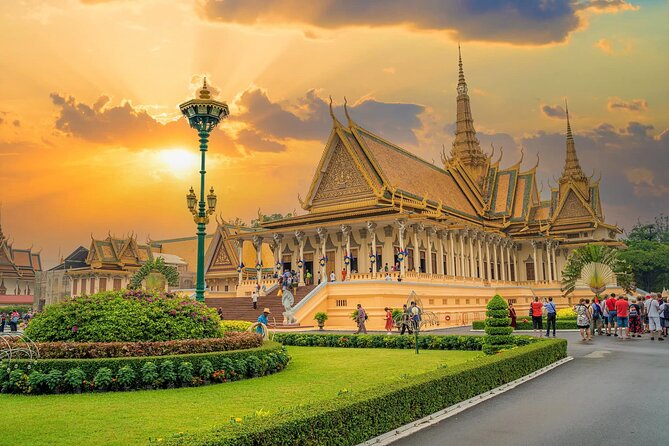
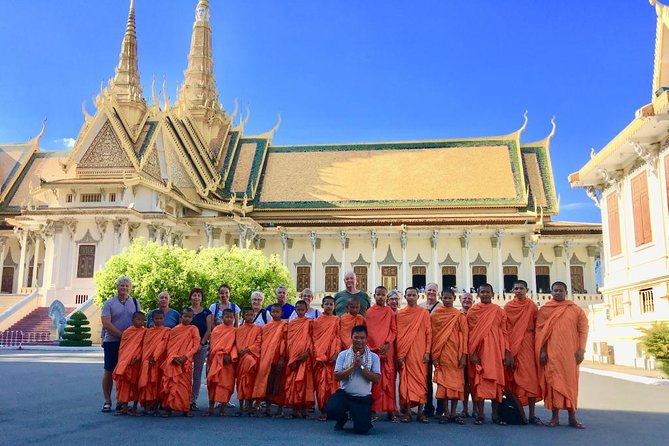
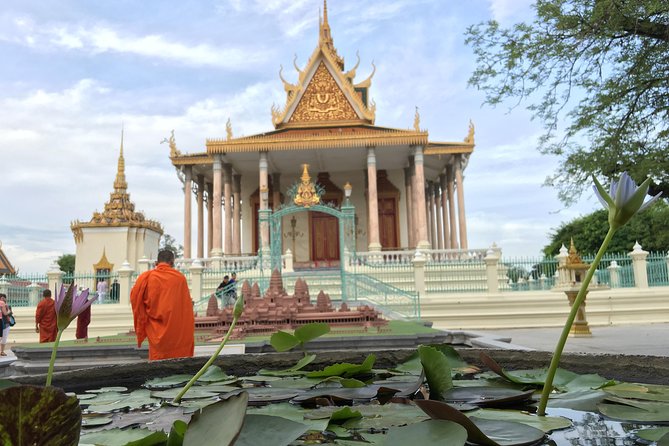
Then you get a different Phnom Penh side: the Royal Palace (construction began in 1886) and the nearby Silver Pagoda. You’ll also visit Wat Phnom, said to sit on a tree-covered hill and described by legend as the location of Buddha statues deposited in the 14th century.
This combination can feel strange at first—grandeur and ceremony right next to tragedy. But it’s also real Phnom Penh. The city layers religious life, royal tradition, and modern memory in the same view.
Independence Monument and Norodom Sihanouk memorial
The day also includes the Independence Monument (built in 1958) and a Statue of King Father Norodom Sihanouk, under a 27-meter high structure. These are stop-and-look moments. Even if you don’t read every plaque, you feel the official Cambodia story being told in stone.
Wat Ounalom
You visit Wat Ounalom, one of Phnom Penh’s original monasteries (the description says 1422). It’s also tied to an Institute Bouddhique and library, and it faces the Tonle Sap River area.
Tuol Sleng and Choeung Ek
Then the day turns heavy. Tuol Sleng Genocide Museum is a former secondary school used as Security Prison 21 (as described). You also visit Choeung Ek Genocidal Center, a mass grave site outside the city.
If you’re going to do these, go in with the right mindset: expect real details, not a gentle overview. Plan to take breaks and give yourself permission to step away when you need it.
Central Market to end the day
Finally, you end at Central Market, built in 1937 and described as a dome shape with four arms branching into hallways of stalls. It’s a practical closer: you can pick up water, snacks, and small items without the day feeling “tour over.”
Day 7: Fly out of Techo International Airport
On the final morning, you’ll have free time until transfer to Techo International Airport (KTI). The transfer is without a guide, based on the info provided.
This day is intentionally low-pressure. After days of temples and museum visits, that buffer helps you pack, eat well, and not rush.
How $1,025.05 turns into real value (and what it doesn’t cover)
At $1,025.05 per person for about 7 days, the value is not just the price tag—it’s what’s included: accommodation (double or twin), private transport, an English-speaking tour guide, entrance fees, and drinks water during the trip, plus 6 breakfasts.
That package matters on this route because you’re moving between Siem Reap, Battambang, and Phnom Penh. Cross-country days get expensive fast if you pay everything separately. Here, the admissions and guided interpretation are already folded into the cost.
What it doesn’t include is also important. Tipping for guide and driver is not included. If you hate the idea of making that call at the end, budget a little ahead of time so it’s not awkward.
Also note that the single-room surcharge is 40% of the total tour price per person. If you can travel with someone and share a twin/double room, the math usually looks a lot better.
Hotels and pacing: where the tour feels smooth
Hotel options are listed from 3-star to 5-star (with examples in Siem Reap, Battambang, and Phnom Penh). The tour information says hotels are included, and the feedback highlights that they were clean and in the city center areas for people’s convenience.
On timing, the itinerary includes a lot of daytime visits, so your success comes down to how you handle heat and walking. Angkor days can take it out of you. Phnom Penh’s museum day can take it out of you in a different way. Build in quiet time, even if the schedule looks full on paper.
Who this Siem Reap to Battambang to Phnom Penh tour fits best
This is a great fit if you want:
- A temple-heavy north half, with Angkor Thom and Angkor Wat
- A balanced mid-part with Tonle Sap life and Battambang’s norry bamboo train
- A Phnom Penh day that includes both royal sites and Khmer Rouge memorials
- A guide-led plan with entrance fees handled and airport-to-city transfers organized
It’s also a decent fit if you’re traveling as a solo person or a couple because the tour is described as private for your group (not mixed with strangers).
If you hate long museum days or you prefer to travel at a slower pace with more free time, you might find Day 2 and Day 6 intense. In that case, you can still enjoy it, but you’ll want to protect your downtime.
Should you book this Siem Reap–Battambang–Phnom Penh loop?
I’d book it if you want a smart route that connects Cambodia’s big emotional beats with practical sightseeing—temples, lake life, countryside stops, and then Phnom Penh’s memory sites—without making you manage every ticket and transfer yourself.
I’d think twice if you’re sensitive to heavy history and you don’t like packed days. Day 6 alone is enough to change the mood of your whole trip.
If you do book, prepare two things: comfortable walking shoes for Angkor and a plan for emotional decompression on your Phnom Penh museum day. With that, this tour is the kind that leaves you with more than photos.
FAQ
How long is the Cambodia 7 Days Tour from Siem Reap to Battambang and Phnom Penh?
The tour duration is 7 days, with accommodation for 6 nights.
Where does the tour start and end?
It starts at Siem Reap Angkor International Airport and ends with a transfer to Techo International Airport (KTI) in Phnom Penh.
Is pickup offered?
Yes, pickup is offered at the airport on arrival (meeting at Siem Reap Airport).
Is this tour private or shared?
It is described as a private tour/activity, and only your group will participate.
What is included in the price?
Included items are accommodation (double or twin), transport, an English speaking tour guide, entrance fees, drinks water, and 6 breakfasts.
What is not included?
Tipping for the guide and driver is not included.
Do you pay extra for a single room?
Yes. For a single room stay, there is an additional charge of 40% of the total tour price per person.
Where will I get breakfast during the trip?
Breakfast is included for 6 days during the tour.
Can I cancel for a refund?
Yes, you can cancel up to 6 days in advance for a full refund, and different partial refund terms apply if you cancel closer to the start date.