REVIEW · SIEM REAP
Angkor Wat Sunrise and Angkor Thom Sunset Tour
Book on Viator →Operated by Angkor Doors · Bookable on Viator
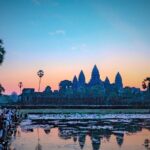
Angkor looks different at dawn. This private full-day tour strings together sunrise at Angkor Wat, then Ta Prohm and Banteay Kdei, and finishes with sunset at Angkor Thom’s South Gate, with a real break back at your hotel in between.
The two things I’d especially love if I were choosing this: you get a dedicated English-speaking guide (often with a strong storytelling style and great photo spot tips), and the day is paced with an actual midday reset instead of frying in Phnom Penh–style heat all day. The main drawback to plan for is the 4:30 a.m. pickup and the fact that sunrise areas can still get crowded and noisy, depending on the day.
In This Review
- What makes this tour work for real people
- Key things to know before you go
- 4:30 a.m. Pickup: The hardest part that pays off
- The part to take seriously: crowds and noise at dawn
- Price and Value: $59 plus the One Day Angkor Pass
- Where this tour is best value
- The hotel reset: why the midday break matters more than you think
- What you can expect during the break
- Angkor Wat sunrise: the main stage and the photo strategy
- What your guide should help you do here
- Consideration: dawn crowds are still real
- Ta Prohm and Banteay Kdei: when Angkor feels more personal
- A temple built for monks—and for your attention
- Why the pairing works
- Angkor Thom at sunset: the closing scene you’ll remember
- Where you’re likely to spend time
- Sunset payoff: cooler light and fewer distractions
- Your guide’s impact: what actually changes between tours
- The guide names you might encounter
- Logistics that can make or break your day
- Expect long walking and warm air
- Bring the right weather gear
- Water and cooling are part of the plan
- Entry tickets: plan early for the pass
- Who should book this sunrise-to-sunset format?
- If this isn’t your best match
- Should you book this Angkor Wat sunrise and Angkor Thom sunset tour?
- FAQ
- What time does the tour start?
- How long is the tour?
- Are the temple entrance fees included in the price?
- What’s included in the $59 price?
- Will there be a break during the day?
- Is this a private tour?
What makes this tour work for real people
This is built for efficiency without feeling like a sprint. You cover the big hitters—Angkor Wat, Ta Prohm, and Angkor Thom—while the hotel break helps you recover before the afternoon and sunset rounds.
Just know the entry fee is not included: the tour price is $59, and you’ll still need a One Day Angkor Pass ($37 per person). Add those together, and it becomes a serious value only if you truly want both sunrise and sunset.
Key things to know before you go
- 4:30 a.m. start: early enough for cooler temperatures and better chances at calmer walking routes.
- Hotel cooldown mid-day: you’re not stuck overheating between complexes.
- English-speaking guide: you’ll get the why behind the carvings, layouts, and Khmer history.
- AC transport + cold water: comfort matters when you’re doing long temple days.
- Pass not included: budget for the One Day Angkor Pass in addition to the $59 tour price.
- Sunset at South Gate: the end of day payoff is built into the schedule, not left to chance.
You can also read our reviews of more evening experiences in Siem Reap

4:30 a.m. Pickup: The hardest part that pays off
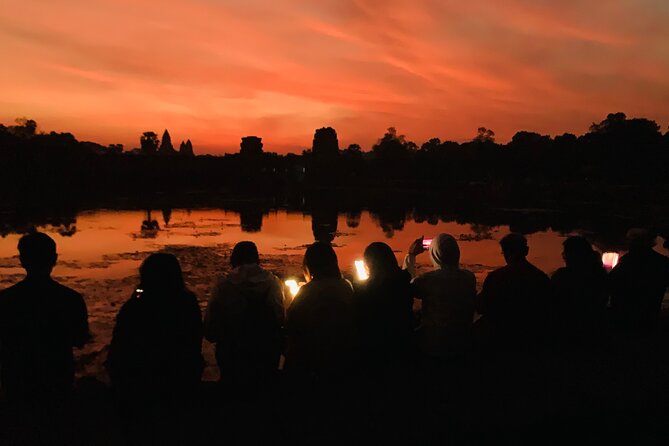
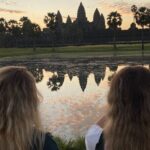
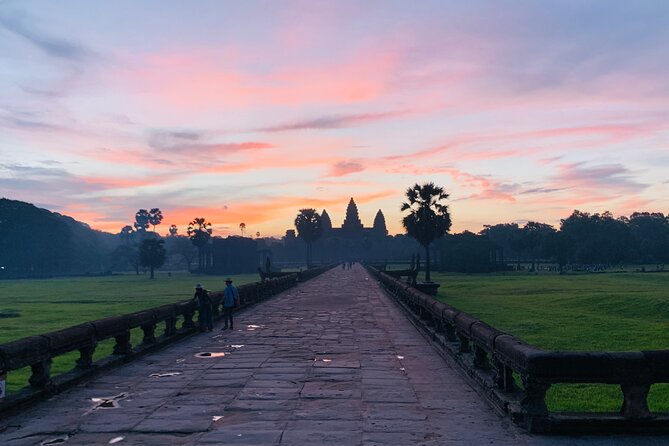
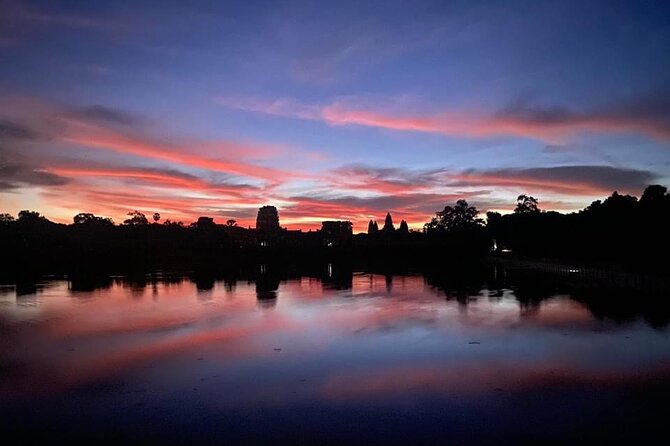
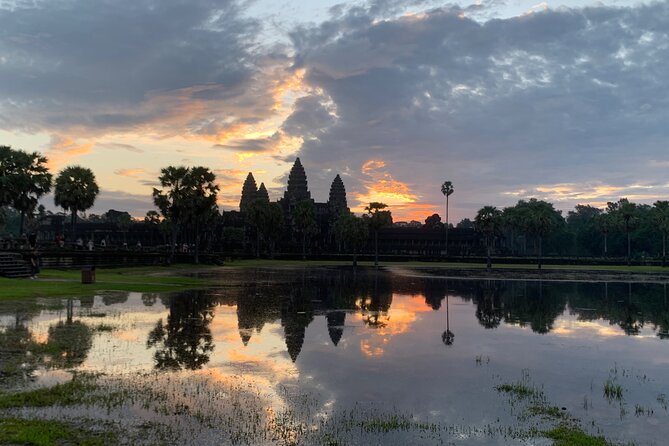
This tour begins with an early pickup at 4:30 a.m. and heads out right away to Angkor Wat. Sunrise at Angkor Wat is one of those experiences where timing changes everything—light, temperature, and crowd pressure all shift in your favor before the main rush rolls in.
The practical win is that you’re also not choosing between “go early” and “see other temples.” This itinerary does both: it starts with the dawn spectacle, then continues through multiple temple stops, and finishes with sunset viewing later.
The part to take seriously: crowds and noise at dawn
Even with early timing, sunrise at Angkor Wat can still be busy. You can expect lots of headlamps/phone lights and loud groups in the main viewing areas—this is normal for Angkor at sunrise, but it’s worth knowing so you’re not surprised.
If you’re the kind of person who hates noise and trash, I’d go in with a flexible mindset and ask your guide where to stand for a calmer angle.
Price and Value: $59 plus the One Day Angkor Pass
The tour costs $59 per person, and that includes the guide and transportation—not the temple admission. You’ll need the One Day Angkor Pass for $37 per person for entry to the Angkor Archaeological Park sites covered on the day.
So, yes, it’s not a cheap day trip on paper. But you’re buying two major moments (sunrise plus sunset) and a guided route through several standout temple areas. You’re also buying the midday break, which is often the difference between enjoying Angkor and just surviving it.
Where this tour is best value
This is strong value if you want:
- both sunrise and sunset highlights in one go,
- a guide to help you read what you’re seeing (instead of just photographing stones),
- less chaos than trying to stitch the day together on your own.
If you only care about Angkor Wat sunrise and nothing else, you might find a shorter or cheaper option more efficient. But for most people with limited time in Siem Reap, this format fits beautifully.
You can also read our reviews of more tours and experiences in Siem Reap

The hotel reset: why the midday break matters more than you think
One of the most loved parts of this tour style is the built-in gap back at your hotel. After the morning temples (including Angkor Wat and stops like Ta Prohm and Banteay Kdei), you return for a break before heading out again for Angkor Thom at sunset.
This matters because Cambodia heat can crush your energy fast. Even if you’re excited, you’ll be happier at sunset if you’ve had time to cool off, eat, and reset your legs.
What you can expect during the break
Lunch and drinks are not included, but the timing is designed so you can take care of your own food and water. You’ll also have time to rest rather than keep walking in the thick heat between temple zones.
In practice, this keeps the day feeling like two connected experiences instead of one long endurance test.
Angkor Wat sunrise: the main stage and the photo strategy
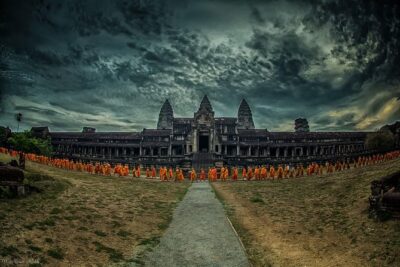
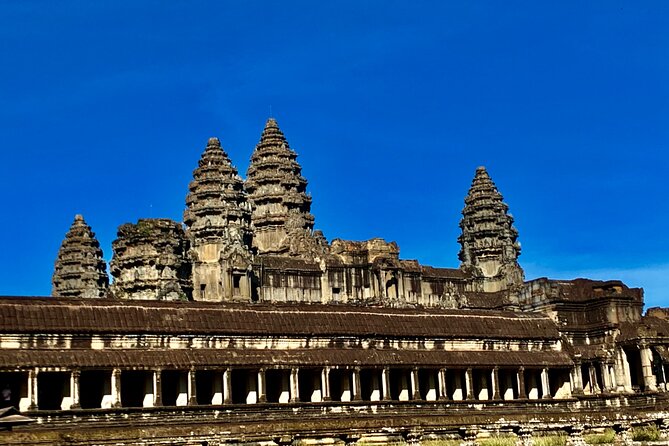
Angkor Wat is where the day starts, and it’s the reason this tour exists. You’ll arrive before the full crowd builds, watch sunrise, and then spend time exploring the complex after the light show.
The schedule gives you about 4 hours at Angkor Wat after sunrise. That’s enough time to do more than just the postcard viewpoints—especially if you’re using your guide’s direction to avoid unnecessary detours.
What your guide should help you do here
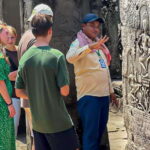
A good guide turns Angkor Wat from a list of halls into a story you can follow. Guides I’ve seen strongly associated with this kind of tour format (names like Peng, Sophal, Sophat, and Sear Voeurn show up in the mix) often help with:
- where to stand for the best early views,
- what to look for in the main structures,
- how to connect the carvings and symbolism to the broader religious and political context.
Ask questions if you have them. Even one good answer can change how the whole complex clicks.
Consideration: dawn crowds are still real
The sunrise area can be packed, and it can feel chaotic near the most popular photo spots. The fix is simple: don’t just plant yourself at the first big crowd. With the right guidance, you can often find calmer angles and less congested walking routes.
Ta Prohm and Banteay Kdei: when Angkor feels more personal
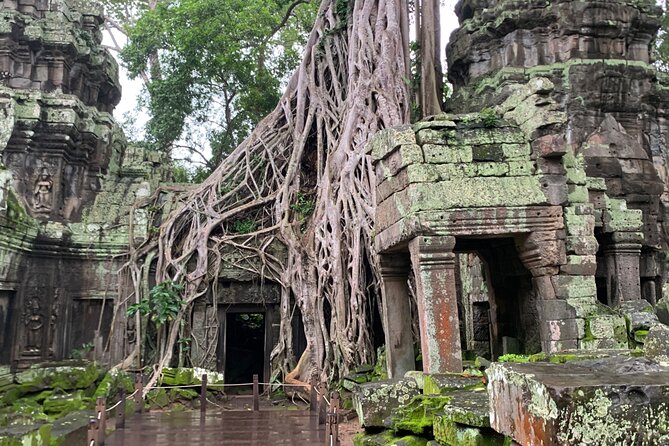
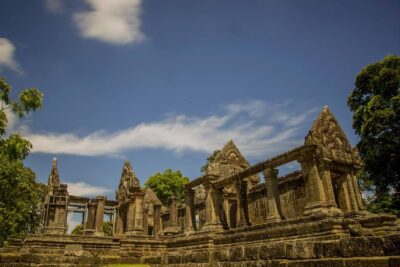
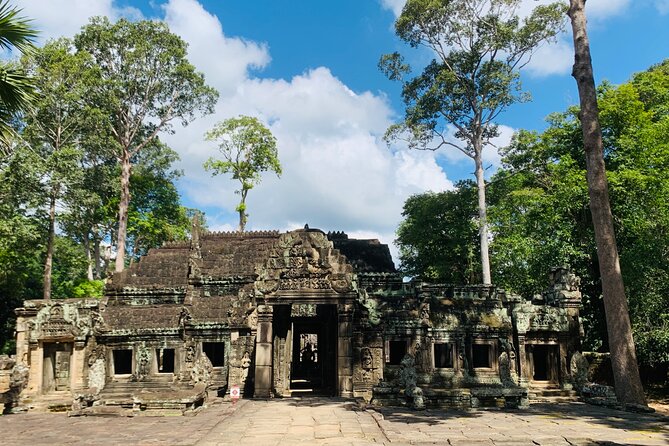
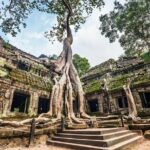
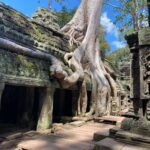
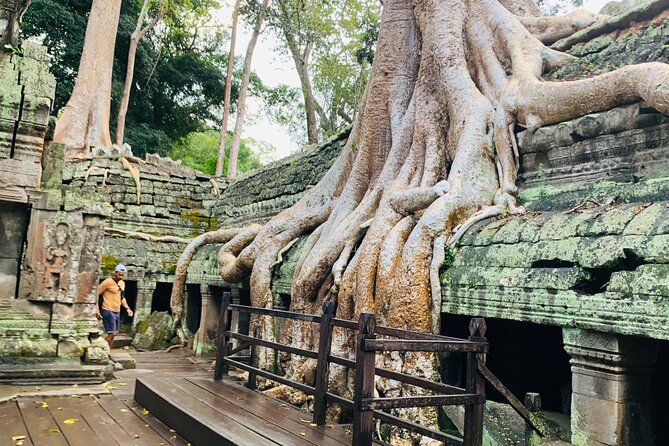
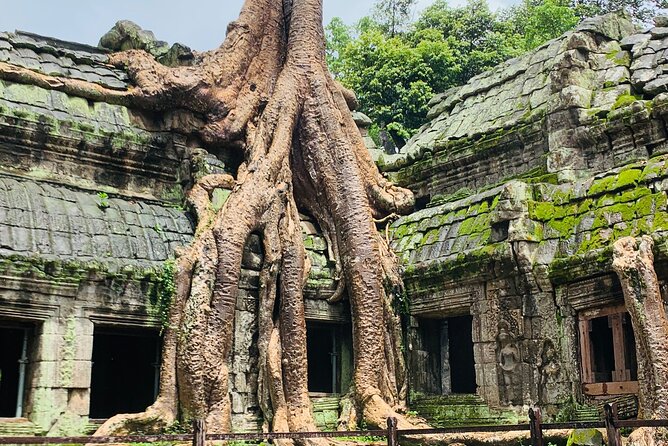
After Angkor Wat, the tour heads to Ta Prohm, with about 2 hours there. Ta Prohm is famous for the way tree roots and architecture interlock, giving the temple its cinematic look.
This stop is where you’ll often slow down naturally. The carvings and corridor views feel more intimate than the huge open sections at Angkor Wat, and there’s more room to wander at a human pace.
A temple built for monks—and for your attention
Ta Prohm’s identity as a Buddhist monastery and university shapes how you might look at it. If your guide explains the timeline and purpose behind what you see, Ta Prohm becomes more than a photo stop.
From there, you continue to Banteay Kdei (about 1 hour). Banteay Kdei means A Citadel of Chambers, and it’s a good contrast after Ta Prohm—more structured, more atmospheric, and often less frenetic.
Why the pairing works
This temple pair is a smart middle step because it mixes:
- dramatic visuals (Ta Prohm),
- calmer exploration (Banteay Kdei),
so you’re not only bouncing between the most famous, most crowded zones.
It also sets you up for Angkor Thom in the afternoon without wearing you out completely.
Angkor Thom at sunset: the closing scene you’ll remember
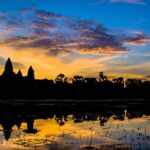
In the afternoon, you visit Angkor Thom, the ancient Khmer capital. The schedule allows about 3 hours here, with the day closing at the South Gate for sunset.
Angkor Thom has a different vibe than Angkor Wat. Where Angkor Wat often feels monumental and formal, Angkor Thom feels like an entire city made of stone—gates, terraces, and pathways that encourage you to look around.
Where you’re likely to spend time
The tour description highlights major sights such as:
- the Royal Palace area,
- the Terrace of the Elephants,
- the Terrace of the Leper.
Even if you don’t know the names ahead of time, those labels matter because they clue you into why each place looks the way it does.
Sunset payoff: cooler light and fewer distractions
Sunset brings softer colors and a quieter atmosphere. Crowds are often lower than at dawn, and the focus naturally shifts from arrival hype to that last-round attention to details.
If you want a memorable ending, this stop does the job without forcing you to rush.
Your guide’s impact: what actually changes between tours
With any Angkor day, two groups of things can make a tour feel great:
1) where you stand and walk,
2) what you understand while you’re there.
This tour is designed around an English-speaking guide who can tailor commentary to your interests. That customization matters—some people want architecture and symbolism, others want stories and daily life context.
The guide names you might encounter
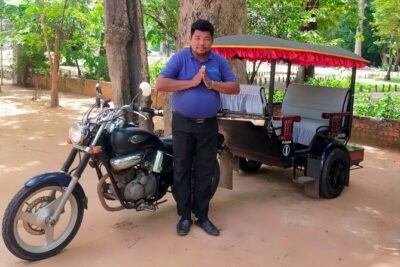
Across guide reports from this tour format, names like Samnang, Bunpheng (also spelled Bunpengh), Pal-Chen, and Samorn (driver) come up alongside guides like Leif and Nang. The common thread is consistent: people highlight story-led explanations, patience with questions, and photo help.
And yes—some guides act like unofficial photographers. If you care about getting good pictures without turning the day into a self-portrait marathon, ask your guide for tips. The best help tends to be practical: angles, timing, and how to avoid the worst crowds.
Logistics that can make or break your day
Even a well-designed itinerary can feel hard if you pack wrong or plan wrong. Here are the practical realities to match this tour’s rhythm:
Expect long walking and warm air
This is listed for moderate physical fitness. That doesn’t mean you need to be an athlete, but you should be ready for uneven stone, stairs, and long stretches of walking.
Bring the right weather gear
The tour runs in all weather conditions. In wet season, you’ll want a rain coat or umbrella. For hot season, dress for heat (light layers, breathable fabrics) and think about sun protection.
Water and cooling are part of the plan
You get bottled cold drinking water and transportation in an AC vehicle. Those small comforts help more than they sound, especially after a sunrise start.
Entry tickets: plan early for the pass
Entrance tickets are not included, and you’ll need the One Day Angkor Pass. One practical tip worth taking seriously: consider getting tickets online so the day starts smoother when it’s still early and you’d rather not fight lines.
Who should book this sunrise-to-sunset format?
This tour makes the most sense if you:
- have limited time in Siem Reap and want both Angkor Wat sunrise and Angkor Thom sunset,
- like learning while you walk (and you’d rather follow a route than guess),
- want a break from heat and crowds instead of doing temple hopping all day.
If this isn’t your best match
I’d think twice if you:
- hate early mornings and can’t function without a late start,
- want long, slow exploration of only one complex,
- dislike crowds so much that even early access won’t feel peaceful.
Should you book this Angkor Wat sunrise and Angkor Thom sunset tour?
Yes, if your priority is experiencing Angkor at both ends of the day with guidance and comfort. The biggest reason to book is the structure: sunrise is done right, the midday break keeps you sane, and sunset at Angkor Thom gives you a strong finish.
Book it confidently if you want value in time—covering key highlights in one organized day—plus the human layer of a guide explaining what you’re seeing. Skipping it only makes sense if you’d rather focus on fewer temples or you strongly prefer to avoid any dawn crowds.
If you do book, one simple move will pay off: get your Angkor Pass organized ahead of time and pack for early mornings and heat. That way, you can spend your energy on the temples instead of logistics.
FAQ
What time does the tour start?
The pickup is scheduled for 4:30 a.m., so the day begins very early to reach Angkor Wat for sunrise.
How long is the tour?
It runs about 9 to 10 hours.
Are the temple entrance fees included in the price?
No. The tour does not include the entrance fee. You’ll need the One Day Angkor Pass (listed as $37 per person).
What’s included in the $59 price?
The tour includes an English-speaking guide, AC transportation, and bottled cold drinking water. Lunch and drinks are not included.
Will there be a break during the day?
Yes. You’ll return to your hotel between the sunrise portion and the afternoon portion, before heading out again for sunset.
Is this a private tour?
Yes. It’s a private tour, meaning only your group participates.