REVIEW · SIEM REAP
Angkor Wat Small-Group Exploration with Expert Guide
Book on Viator →Operated by Green Era Travel · Bookable on Viator
Four temples. One well-run day. This small-group Angkor Wat tour in Siem Reap mixes hotel pickup with a guide who helps you notice the details fast—before the heat wins.
I love the stress-free pickup and drop-off. I also love the tight, logical stop order—Angkor Wat, Angkor Thom, Bayon, and Ta Prohm—so you hit the famous sights without wasting time.
The main catch is the physical load: it’s a long, hot day with plenty of walking and climbing stairs. If your group wants a very easy pace, you may need a different plan.
In This Review
- Key things I’d watch for
- Small-group Angkor: why 12 people feels like the sweet spot
- Hotel pickup, tuk-tuk rides, and beating the heat without fuss
- The day’s rhythm: why these four temples work together
- Stop 1: Angkor Wat (2 hours) and the carvings that reward attention
- Stop 2: Angkor Thom (1 hour) where the Khmer capital takes shape
- Stop 3: Bayon Temple (1 hour) and the faces that do the talking
- Stop 4: Ta Prohm (1 hour) where ruins feel alive
- Lunch inside the national park: convenient, but not cheap
- Price and tickets: the real cost math behind the $18
- Dress code and comfort: your day depends on what you wear
- Who should book this Angkor Wat small-group tour?
- Should you book it? My call
- FAQ
- How long is the Angkor Wat small-group exploration?
- What temples does this tour visit?
- Is the Angkor National Park ticket included?
- Does the tour include hotel pickup and drop-off?
- What transportation is used?
- Is bottled water provided?
- Are meals included?
- What’s the dress code for visiting the temples?
- How large is the group?
- What’s the cancellation policy?
Key things I’d watch for
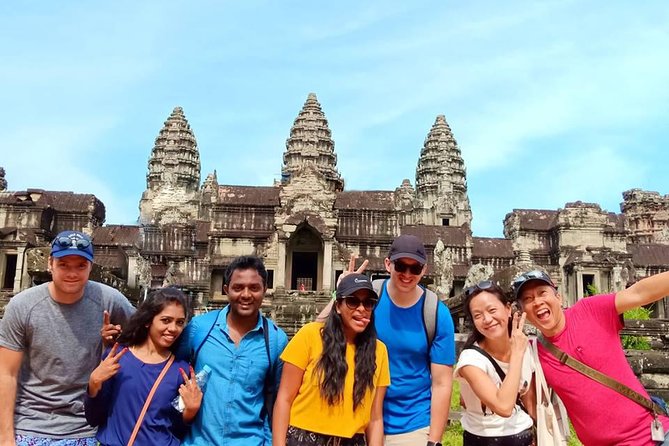
- Small-group size (max 12) means more time for your questions and fewer crowds around the guide
- Hotel pickup and drop-off keeps the day moving instead of hunting for meeting points
- Tuk-tuk or air-conditioned minivan depending on group size helps you beat the humidity
- Chilled bottled water and cold towels show up at the right moments, not just at the start
- Four major temple stops with guided viewpoints for photos and carvings you could miss on your own
- Long pants or knee-length coverage required for entry, so plan your outfit early
Small-group Angkor: why 12 people feels like the sweet spot
Angkor Wat is popular for a reason. But “popular” also means you can spend time pushing through crowds instead of actually seeing the place.
This tour keeps the group to a maximum of 12, and that changes the vibe. You get time to ask questions and stop for viewpoints without the usual feeling of being dragged along. In the real-world examples people shared, guides like Mr. Dy and San made the day feel relaxed, with clear explanations and a calm pace.
And yes, the history matters here. The guide isn’t just pointing out where to stand. They connect what you’re seeing—temple layout, carvings, and Buddhist vs. state-temple context—to the people who built these places.
One nice bonus: you’re not stuck staring at your phone for context. The guide’s role is to translate the site while you’re there, so your brain stays engaged instead of overwhelmed.
You can also read our reviews of more guided tours in Siem Reap
Hotel pickup, tuk-tuk rides, and beating the heat without fuss
In Siem Reap, the biggest time-waster is logistics. This tour solves that with hotel pickup and drop-off, so you start ready and end back at your door.
Transport depends on your group size:
- 1–2 people ride by tuk-tuk
- 3+ people ride by minivan
That matters because the day includes multiple temple walks and steps. Short transfers help you reset—especially in heat. One review example even called out extreme conditions (around 105 with heat index), and the tour response was practical: cold bottled water during the tour and cold towels after temple visits.
In other words, it’s not “comfort as a luxury.” It’s comfort as part of staying functional for the day.
The day’s rhythm: why these four temples work together
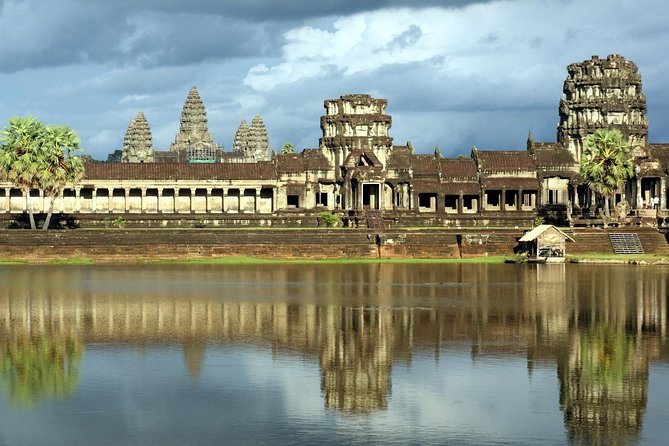
The route focuses on the best-known Angkor targets, with a steady flow rather than a frantic checklist. You’ll start at Angkor Wat, move on to Angkor Thom, then Bayon, and finish at Ta Prohm.
The structure is smart for first-timers. Angkor Wat gives you the anchor view—what the site is and why it’s so iconic. From there, Angkor Thom and Bayon shift you into a different part of the complex with a clear historical thread. Ta Prohm finishes the day with that instantly recognizable “ruins with dramatic presence” mood.
You’ll also get more than “walk and snap.” The guide is there to point out carvings and architectural details you might otherwise overlook. In the examples shared, people specifically praised guides for explaining symbolism and helping with photos—so you’re not just collecting images, you’re collecting meaning.
Stop 1: Angkor Wat (2 hours) and the carvings that reward attention
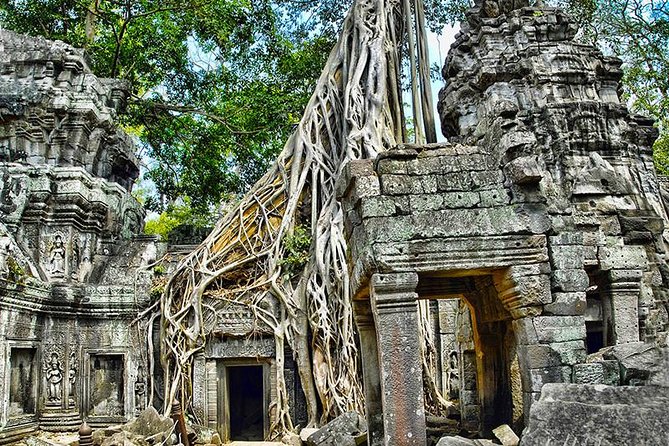
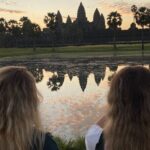
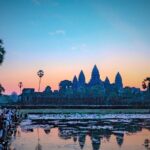
Angkor Wat is the best-preserved temple at the Angkor site. The tour frames it as a state temple and capital city built for King Suryavarman II in the early 12th century.
You get about 2 hours here, and that’s a good amount for a guided visit. Too short and you only skim the highlights. Too long and you melt from heat while your eyes blur.
The best value of having a guide at Angkor Wat is not extra talking—it’s choosing where to look. Guides like Sophy and Nak (names that came up repeatedly) were credited with helping people understand the carvings and architectural details instead of just telling you that something is impressive.
Also, admission isn’t included for this stop. So plan on buying the 1-Day Angkor National Park ticket separately (more on cost later).
Stop 2: Angkor Thom (1 hour) where the Khmer capital takes shape
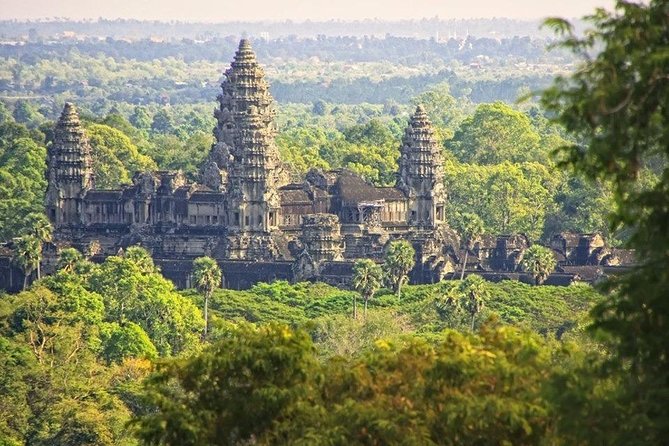
After Angkor Wat, the tour moves to Angkor Thom, described as the capital city of the Khmer Empire built at the end of the 12th century. The guide connects it to King Jayavarman VII, and you’ll have around 1 hour here.
This stop is where you start feeling the scale of Angkor beyond one famous temple. It’s a shift from “the icon” to “the system”—how the city space relates to worship and power.
What you gain with a guide is context at the moment it matters. Instead of trying to map the site from signage, you’ll be told what to focus on as you move. People also praised guides for guiding viewpoints, which matters because Angkor isn’t a simple flat walk.
And like the other temple visits, your ticket for the national park is required even though the tour itself handles the guiding and logistics.

Stop 3: Bayon Temple (1 hour) and the faces that do the talking
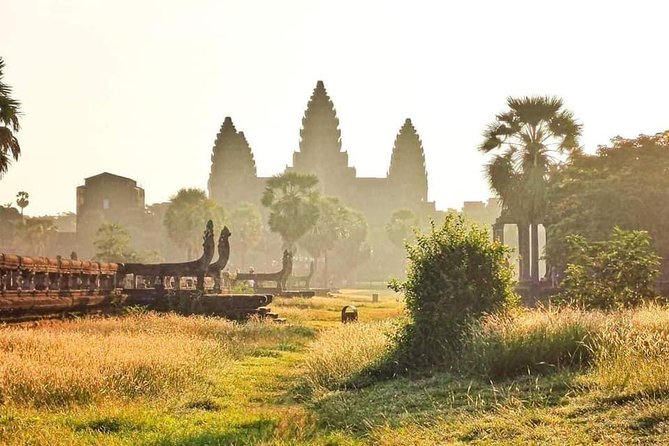
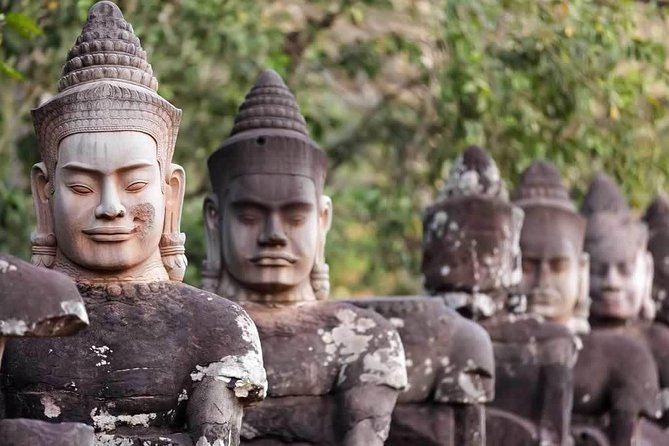
Then comes Bayon, a richly decorated Khmer temple at Angkor. It’s described as the state temple built in the late 12th or early 13th century for the Mahayana Buddhist King Jayavarman VII.
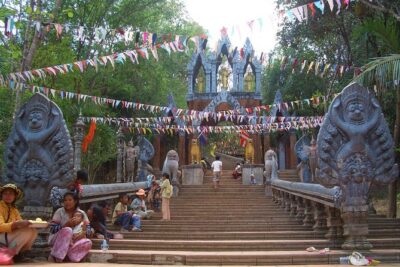
You’ll get about 1 hour at Bayon, which is enough time to slow down without turning it into a full-day temple crawl. The guide helps you interpret what you’re seeing—especially the temple’s famous face imagery and the structure around it.
This is one of the places where small-group pacing matters. Bayon has its own crowd dynamics, and having a guide who knows the flow helps you find the best angles without wasting time.
In examples shared, guides like Voath and Wat were specifically praised for explaining what the carvings and symbolism mean, and doing it in a way that doesn’t drag the day.
Stop 4: Ta Prohm (1 hour) where ruins feel alive
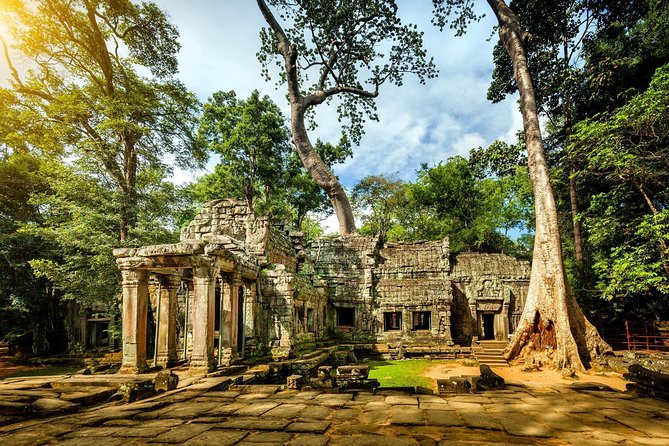
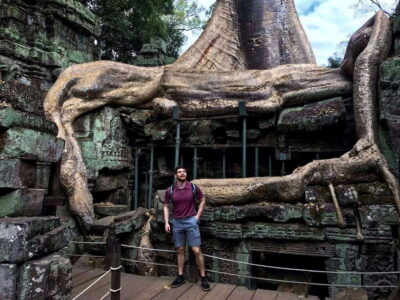
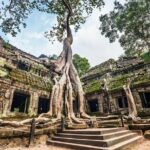
Ta Prohm is described as a state of ruin that’s also a state of beauty. That’s the emotional pitch of the site, and it’s one reason Ta Prohm is such a favorite finish to the tour.
You’ll spend about 1 hour here. That timing is good because the site’s visual impact is immediate. You don’t need a long lecture to understand why people fall for it.
What a guide adds is the difference between seeing trees and stone versus seeing a living historical scene. The tour is built to keep you moving through the whole Angkor set, so Ta Prohm works as the “breathe and absorb” stop.
A practical note: stairs and uneven terrain show up across the Angkor temples. One review specifically warned that the tour isn’t ideal for people with limited mobility because you have to manage steps and climbing. If that’s your situation, go in with eyes open and ask your guide how to handle the route safely.
Lunch inside the national park: convenient, but not cheap
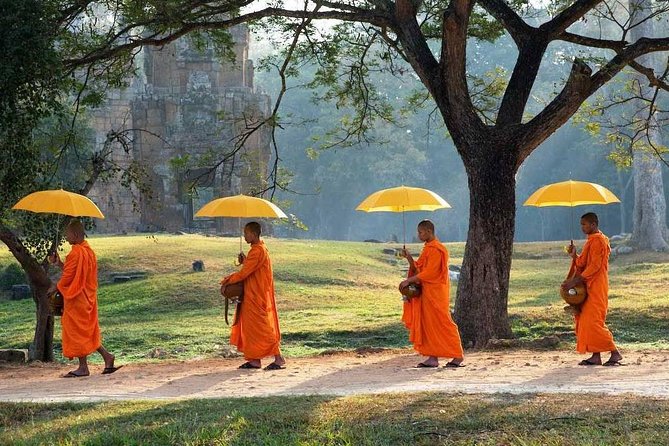
This tour normally stops for lunch at a local restaurant in the national park during lunch time. The trade-off is straightforward: it can cost more than what you’d find back in town.
Still, the tour frames this as the best choice for the itinerary. And that’s believable. When you’re working inside the Angkor schedule, minimizing time lost to driving and re-routing can protect your remaining temple time.
Also, food and drinks aren’t included in the tour price. So budget for lunch separately, and plan on making it a proper break rather than a quick snack if you need recovery time.
Price and tickets: the real cost math behind the $18
The advertised price is $18.00 per person, which is a solid base for a 6–7 hour guided outing with hotel pickup and transport.
But the day doesn’t run on that $18 alone. The tour does not include the 1-Day Angkor National Park ticket, listed at $37 per person. So your expected total for the core experience becomes roughly:
- $18 tour + $37 park ticket = about $55 per person (before lunch and any extras)
That’s still good value if you care about a guided explanation and a smoother route. If you’re the type who can wander independently and doesn’t need context, you might be able to do it cheaper on your own. But if you want the carvings, history, and best viewpoints made understandable, the guide time is the point—and it’s the part that $18 buys.
Also note:
- Food and drinks aren’t included
- Tipping for the guide and driver is not included
- You’ll be in a small group and max out at 12 people
Dress code and comfort: your day depends on what you wear
Temple entry requires long pants or knee-length skirts/dresses. This is not “nice to have.” It’s a real constraint that can stop you from entering if you show up wrong.
The good news is that this tour is built for the temple circuit. So once you’re dressed correctly, you’re set for the day’s movement.
Comfort matters because the route includes steps and walking. One example included a 69-year-old who said the guide respected their limits and helped them enjoy the sites. That’s what you want from a good guide: guidance, pacing, and practical support when terrain gets steep.
Who should book this Angkor Wat small-group tour?
This tour fits best if you want:
- First-timer coverage of the major Angkor temples
- A more personal experience than big group buses
- Time to ask questions and get explanations while you’re actually standing in front of the carvings
It also suits couples and small groups because transport scales well:
- Tuk-tuk for 1–2 people
- Minivan for 3+ people
A note on fitness: the tour asks for a moderate physical fitness level. So it’s not a gentle stroll, and your feet will notice the stairs.
If you’re traveling with kids, the rule is simple: children must be accompanied by an adult. For families, the main decision is whether you can handle the heat, steps, and timing without everyone getting grumpy.
Should you book it? My call
Book it if you want your Angkor day to feel guided, efficient, and worth the cost. The mix of hotel pickup, small-group size, and cold water/towels turns the temples into a day you can actually enjoy—even when it’s hot.
Skip or rethink if you strongly prefer minimal stairs and very slow pacing. The tour is temple-first, and the steps are part of the experience.
If you’re deciding between “go alone” versus “go with someone who can explain what you’re seeing,” this tour leans hard toward the second choice. And with guides like Dy, San, Sophy, Nak, Wat, and Voath mentioned across experiences, it’s clear the guiding is a major part of the value—not just an add-on.
FAQ
How long is the Angkor Wat small-group exploration?
It runs about 6 to 7 hours.
What temples does this tour visit?
You visit Angkor Wat, Angkor Thom, Bayon, and Ta Prohm.
Is the Angkor National Park ticket included?
No. A 1-Day Angkor National Park ticket is listed separately at $37 per person.
Does the tour include hotel pickup and drop-off?
Yes. Pickup and drop-off at your hotel are included.
What transportation is used?
For 1–2 people, it’s by tuk-tuk. For 3 people, it’s by minivan.
Is bottled water provided?
Yes. Cold bottled water is provided during the tour.
Are meals included?
No. Food and drinks are not included.
What’s the dress code for visiting the temples?
Long pants or knee-length skirts/dresses are required.
How large is the group?
The maximum group size is 12 travelers, with variable group size depending on daily bookings.
What’s the cancellation policy?
Free cancellation is allowed up to 24 hours in advance for a full refund.