REVIEW · SIEM REAP
Siem Reap Private Full Day Angkor Wat Tour with Sunset or Sunrise
Book on Viator →Operated by Vamos Camboja Turismo · Bookable on Viator
Sunrise and sunset at Angkor set the tone. This private Siem Reap tour strings together the big-name temples—Angkor Thom, Bayon, Ta Prohm, Angkor Wat—with timed stops so you’re not just sightseeing, you’re watching Cambodia’s stone cities change with the light. You’ll ride in a private vehicle and keep your day organized from hotel pickup to return.
Two things I especially like: you get a private guide who can point out what you’re looking at (not just name it), and the comfort details make the long day easier—hotel pickup, cold water, and a calm flow through the sites. One drawback to plan for: the Angkor Archaeological Park entrance ticket isn’t included (USD 37 per adult), and the required temple dress code can be a hassle if you packed light.
In This Review
- Key highlights before you go
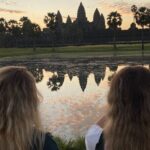
- Private Angkor timing: sunrise morning vs sunset finish
- Price and value: what $55 covers, and what it doesn’t
- Getting to the temples in comfort: tuk-tuk or air-conditioned van
- Temple pass + dress code: the rules that can save your day
- Angkor Thom South Gate to Bayon: smiling faces at the center
- Baphuon and the royal terraces: pyramids and platform stories
- Ta Prohm: the jungle temple break in the middle of the day
- Angkor Wat and Phnom Bakheng: the crown jewel and the sunset payoff
- Who this tour suits best in Siem Reap
- Should you book this Angkor private day tour?
- FAQ
- Do I need to buy the Angkor Archaeological Park entrance ticket?
- What’s included in the tour price?
- Is lunch included?
- How long is the full-day sunset tour?
- How early do they pick you up for sunrise?
- Is this tour really private?
- What are the dress code rules for the temples?
- Can I cancel for a full refund?
Key highlights before you go
- Sunrise vs sunset options: sunrise pickup at 5:00 AM, sunset runs longer with an evening finale
- Private transport that fits your group size: tuk-tuk for 1–2 people, air-conditioned van/minibus for 3+
- A guide-led route through the most photographed Angkor stops
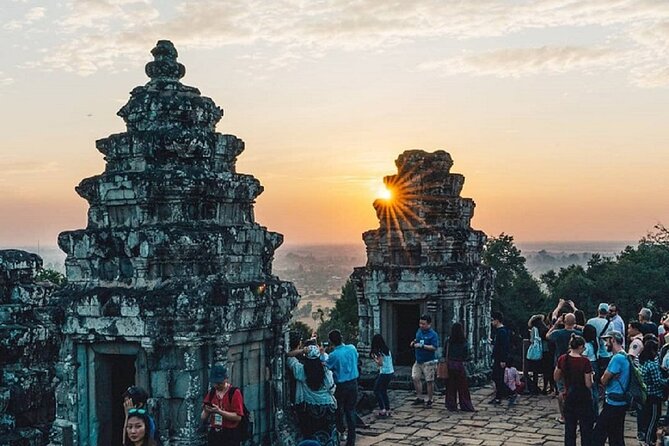
- Phnom Bakheng is the sunset payoff in the full-day sunset plan
- Lunch is a guide-recommended break, but it’s not included
- You’ll need the temple pass and a passport for admission to the park
Private Angkor timing: sunrise morning vs sunset finish
This is built around two different ways to experience Angkor: a morning sunrise schedule or a full-day sunset schedule.
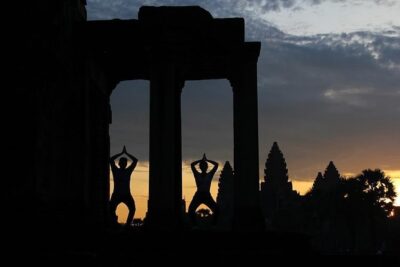
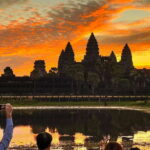
For the sunset option, you’ll be picked up around 8:30 AM, then return to your hotel around 6:30 PM. The last stretch matters here. Instead of rushing out, the tour is designed to end with a hilltop temple viewpoint—Phnom Bakheng—where the light shifts dramatically near dusk. Expect real climbing time, since this stop is described as a climb for sunset views.
For the sunrise option, the early start is the tradeoff. Pickup is 5:00 AM, and the tour ends around 12:00 PM. That means you’ll still see key temples, but you’re also trading the late-day “golden hour” payoff for a calmer morning schedule. If you hate night driving or you want the rest of the day back in Siem Reap, sunrise is often the better fit.
You can also read our reviews of more private tours in Siem Reap
Price and value: what $55 covers, and what it doesn’t
The tour price is $55 per person, and it’s set up as a private tour/activity—so you’re not sharing the vehicle or the guide with strangers.
Here’s the value math that actually matters: the Angkor Archaeological Park entrance ticket is not included. The park admission is USD 37 per person, and you must show a passport as proof when purchasing. That means your real per-adult total is closer to $92 once you add the pass (before food, since lunch is also not included).
Still, $55 can feel fair for a full day with:
- a professional English-speaking guide
- hotel pickup and drop-off
- private transportation suited to your group size
- cold water during the tour
- temple-site time that’s laid out in a logical sequence
If you’re comparing DIY vs guided, the guide is doing more than storytelling. They help you spend your limited daylight efficiently—especially on a route that includes early morning, long distances, and timed highlights.
Getting to the temples in comfort: tuk-tuk or air-conditioned van
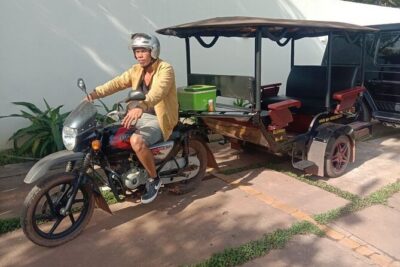
Transport is part of the experience here, and it’s handled in a practical way. For 1–2 people, you’ll use a tuk-tuk. For 3 or more, you’ll ride in an air-conditioned van or minibus.
That difference matters in Angkor days, because your time isn’t just spent at temples. You’re also spending time in transit, under sun and heat. An air-conditioned vehicle can make the afternoon feel manageable. Even on the tuk-tuk option, the tour includes cold water, which helps more than it sounds like it would.
A small detail that shows up in service quality: guides and drivers in this program are described as safe and attentive, with vehicles that stay cool. When you’re doing 8–10 hours, “safe and comfortable” is not a luxury. It’s what lets you stay alert for the details a guide points out.
Temple pass + dress code: the rules that can save your day
You’ll want to get this part right before you’re standing at a gate.
The Angkor Archaeological Park entrance ticket is required and is not included in the $55. Adult ticket price is USD 37 per person, and children under 12 don’t need to buy a ticket. A passport must be shown as proof.
Your first stop in Siem Reap includes time to purchase the pass. The guide meets you at your hotel lobby and you’ll head to the ticket booth. The tour notes you can also purchase online in advance.
Then there’s the dress code. This is where many first-timers get caught:
- A scarf can help cover your knees and shoulders for entry to most temples.
- Except Angkor Wat, you must wear pants and skirts that cover the knees, plus shirts that cover the shoulders.
- Short skirts, shorts, tank tops, and other revealing clothing aren’t permitted.
If you’re bringing light clothing, pack a long layer. It doesn’t need to be fancy. It just needs to pass the basic rules so you can keep moving with your group instead of waiting.
Angkor Thom South Gate to Bayon: smiling faces at the center
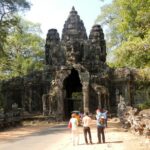
The route begins after you handle your temple pass, with a classic arrival into the former capital: Angkor Thom South Gate.
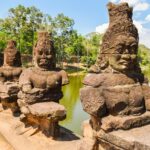
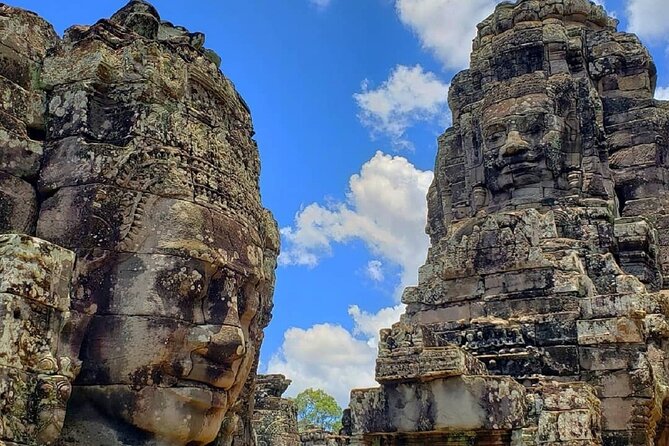
This gate is famous for the giant stone faces that appear to smile. It’s the kind of first stop that helps you get oriented fast. You see the style, the scale, and the whole city’s layout right away. The tour then pushes into the heart of Angkor Thom.
Next comes Bayon Temple, described as the Temple of Smiling Faces and located in the middle of Angkor Thom. The time you spend here is around one hour, which is important because Bayon isn’t a quick-photo temple. It rewards attention: stone faces, carvings, and angles that shift as you walk.
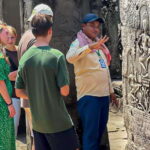
A good guide makes this stop much better. The tour experience is built around that idea, and multiple guides tied to this program are praised for explaining what you’re seeing in a clear, respectful way. If you’re someone who tends to read signs quickly and move on, this is where having a guide pays off.
You can also read our reviews of more evening experiences in Siem Reap


Baphuon and the royal terraces: pyramids and platform stories
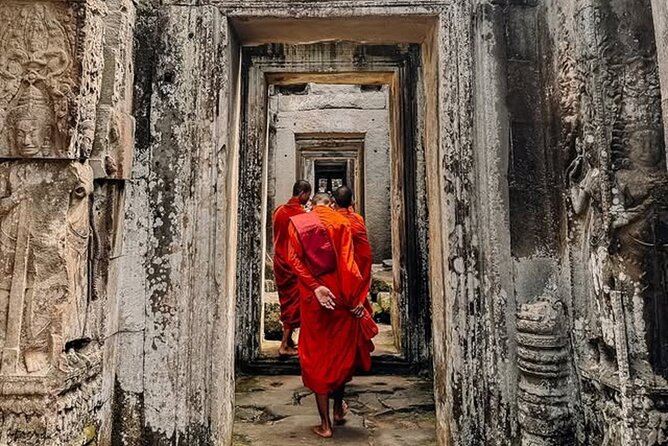
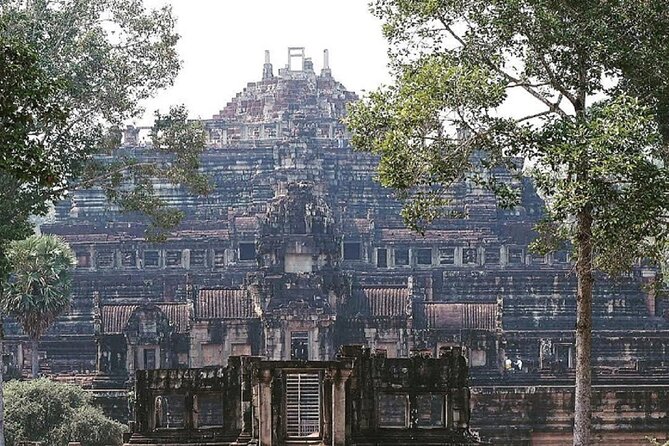
After Bayon, you’ll head to Baphuon Temple, a pyramid-style monument built in the 11th century and once referred to as the Tower of Bronze. The schedule gives you about 30 minutes here.
Baphuon is often less crowded with fast-tour energy than some other sites, which can make it feel more “at your own pace.” A guide can help you look at it the right way: as architecture and symbolism, not just a background for photos.
Then you get two terrace stops:
Terrace of the Elephants
This is a long ceremonial platform, about 350 meters. It was used by King Jayavarman VII to watch parades and public events. It’s a surprisingly effective stop for understanding how these cities functioned: power, ceremony, and the idea that rulers were always on display.
Terrace of the Leper King
A short walk away, this terrace gets its name from a moss-covered statue. The tour treats it as a mysterious legacy, and the experience here is mostly about atmosphere and the stories a guide connects to the carvings and setting.
These terraces are also a useful pacing tool. You’ve already seen big faces and major temple structures. Now you’re seeing the spaces that framed daily movement and royal spectacle.
Ta Prohm: the jungle temple break in the middle of the day
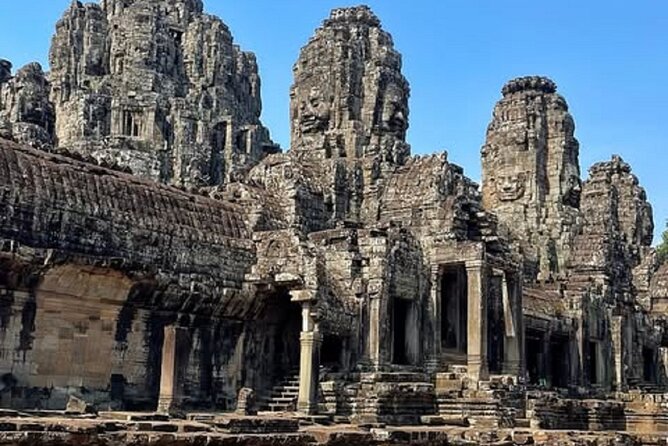
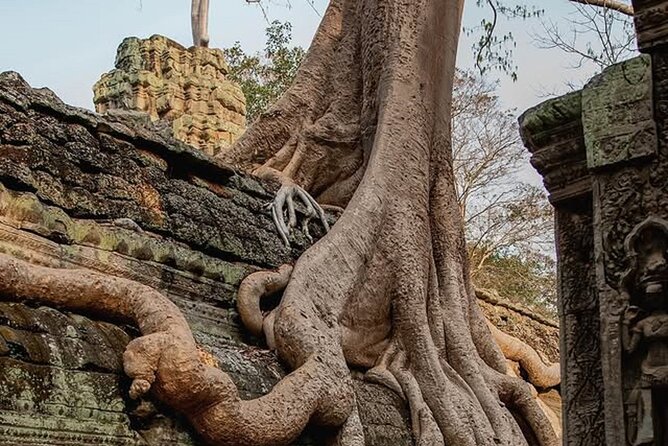
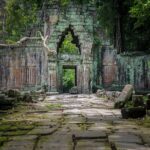
By the time you reach Ta Prohm, the day has built momentum. Ta Prohm is known as the jungle temple, wrapped in trees and roots, and it’s even described as the one made famous through Tomb Raider.
You’ll spend around one hour here. That hour is a sweet spot: long enough to spot details, but not so long that you lose energy in the heat.
Ta Prohm is the stop where people usually slow down, because the scene looks like it’s from a movie set. But don’t treat it like a single angle. A good guide route helps you vary your viewpoint so you see how the temple and vegetation interact.
After Ta Prohm, there’s a practical break: Srah Srang.
This is where lunch happens—though it’s not included. The tour notes that your guide recommends a nearby Cambodian meal at a restaurant in the area, and you’ll have about one hour for lunch.
If you’re sensitive to food timing, this is the point to take it seriously. Eat early enough that you don’t feel rushed, and hydrate. The tour provides cold water during the day, but you’ll still benefit from slowing down.
Angkor Wat and Phnom Bakheng: the crown jewel and the sunset payoff
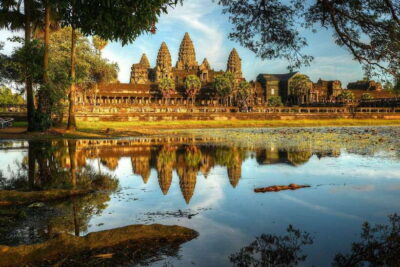
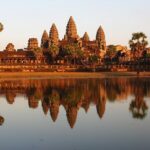
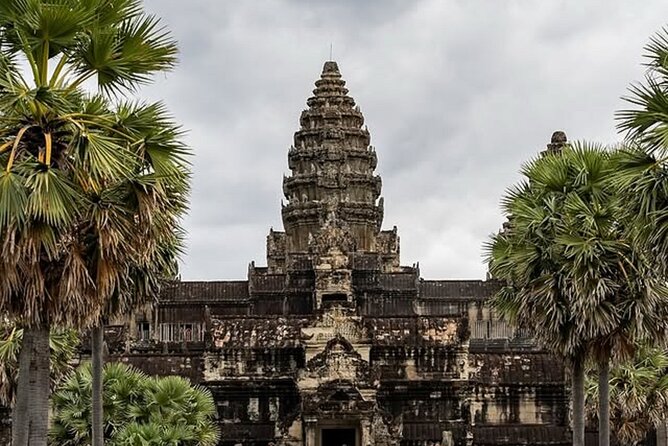
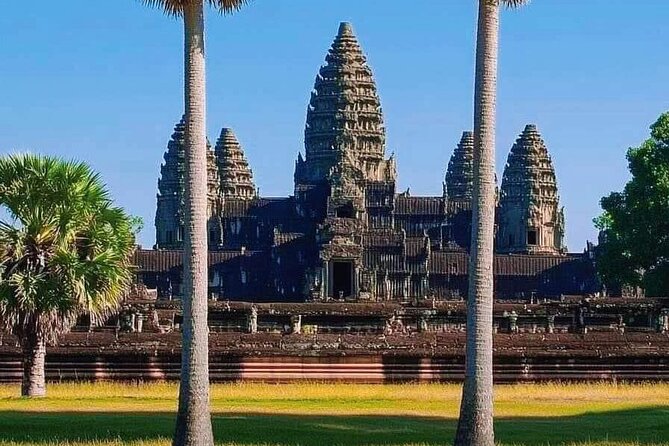
Then comes Angkor Wat, the centerpiece that people travel for. The tour calls it the largest religious monument in the world and notes it as the iconic heart of the Angkor complex. You’ll have about two hours here, which is the right amount of time for a mix of exploring and resting your eyes.
Angkor Wat is different from the rest of Angkor because it feels more formal and structured. A guide can help you understand the layout so you’re not just walking from one impressive photo to the next. You’ll also appreciate the time buffer here, since you might want to pause at viewpoints or adjust your pace depending on how your morning or afternoon went.
For the full-day sunset option, your day ends at Phnom Bakheng. This is described as a hilltop temple with some of the most breathtaking sunset views in Angkor, built in the late 9th century. You should expect the final stretch to be physically more demanding than earlier, because it’s described as a climb tied to sunset timing.
That final payoff is the reason the sunset day feels like more than a list of temples. If sunrise feels too early and sunset feels just right, this is where you get your reward.
Who this tour suits best in Siem Reap
This works well if you want:
- a structured route through major Angkor sites
- private transport that keeps the day comfortable
- a guide who explains what you’re seeing in a way that helps the temples click
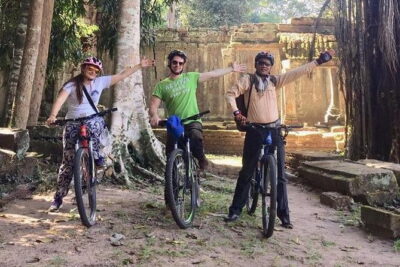
It’s also a strong option for families and teens who need more than signage. In feedback tied to this tour, guides are praised for being polite and informative, and for making the day feel safe and well-run.
One thing to keep in mind: guide style matters. There’s at least one reported case where a family felt uncomfortable due to off-color humor. If you’re traveling with younger kids or anyone who prefers a strictly respectful tone, I’d suggest you be upfront about your comfort level when you meet the guide. You don’t need a big speech. Just set the expectation early.
Should you book this Angkor private day tour?
If you’re weighing alternatives, here’s my practical take.
Book it if you:
- want private pacing in your own vehicle
- care about timing (sunrise or sunset) instead of just collecting temples
- want a guide to help you read the sites, especially at Angkor Thom and Bayon
Consider a different approach if you:
- already have a good plan to manage the park ticket, dress rules, and logistics yourself
- strongly prefer keeping everything low-stress and ultra-quiet, since guide personality can shape the vibe of a long day
The value hinges on one thing: the park ticket + your schedule. The $55 tour price is only part of the story. Once you factor in the admission and lunch, it becomes a full-day investment. If that fits your trip style, this tour is a straightforward way to see the highlights with comfort and enough guided context to make the stones feel real.
FAQ
Do I need to buy the Angkor Archaeological Park entrance ticket?
Yes. The Angkor Archaeological Park entrance ticket is not included. It’s listed as USD 37 per person, and a passport must be shown as proof. Children under 12 are not required to purchase an entrance ticket.
What’s included in the tour price?
The tour includes a professional English-speaking guide, hotel pickup and drop-off, transportation (tuk-tuk for 1–2 people, air-conditioned van/minibus for 3+), transfers for the sites listed in the itinerary, and cold water during the tour.
Is lunch included?
No. Lunch is not included. You’ll have lunch time at Srah Srang with guidance on where to eat.
How long is the full-day sunset tour?
The sunset option is approximately 8 to 10 hours, with hotel pickup at about 8:30 AM and return around 6:30 PM.
How early do they pick you up for sunrise?
For the sunrise option, pickup is at 5:00 AM, and the tour ends around 12:00 PM.
Is this tour really private?
Yes. It’s described as private, meaning only your group will participate.
What are the dress code rules for the temples?
You may use a scarf to cover your knees and shoulders for most temples. Except for Angkor Wat, you must wear pants and skirts that cover the knees and shirts that cover the shoulders. Short skirts, shorts, tank tops, and revealing clothing aren’t permitted.
Can I cancel for a full refund?
Yes. Free cancellation is available if you cancel at least 24 hours before the experience’s start time for a full refund. Changes made less than 24 hours before start time aren’t accepted.