REVIEW · ANGKOR WAT
Prasat Thom, Koh Ker Group & Beng Mealea Full-Day Tour
Book on GetYourGuide →Operated by Angkor Transport Services · Bookable on GetYourGuide
Jungle temples beat the usual crowd loop. You get a full day beyond Angkor with Koh Ker and Beng Mealea, plus a long countryside ride that makes the sites feel far more like real Khmer geography and not just postcard ruins.
I especially like the contrast: Prasat Thom at Koh Ker shows the remains of an ancient Khmer capital, while Beng Mealea feels wild, half-swallowed by vegetation, and far less “tidy” than the main Angkor temples. One consideration: you’ll need to plan for extra costs and comfort needs, since the temple pass and lunch are not included, and the day involves walking on uneven ground.
In This Review
- Quick take: what makes this tour worth your time
- Getting to Koh Ker and Beng Mealea from Siem Reap (and why the drive matters)
- Prasat Thom at Koh Ker: visiting a Khmer capital remnant
- What to look for while you’re there
- A drawback to consider
- Beng Mealea: a late 11th-century temple swallowed by the jungle
- Angkor Wat-style clues, minus the usual storytelling
- Beng Mealea’s “crossroads” role
- What the day feels like: timing, pace, and walking comfort
- Weather and clothing rules you should not ignore
- Price and value: what $109 covers (and what you must add)
- Private group perks: how this tour adapts to you
- Who this tour suits best
- Should you book this Koh Ker and Beng Mealea day tour?
- FAQ
- How long is the Prasat Thom, Koh Ker Group & Beng Mealea tour?
- Where does pickup happen?
- Is lunch included?
- Do I need to buy a temple pass?
- Is the tour a private group?
- What’s included in the price?
- Is smoking allowed during the tour?
- What should I wear to the temples?
- Does the tour run in bad weather?
Quick take: what makes this tour worth your time
- 130 km countryside drive from Siem Reap, so the day feels like travel, not just hopping between sites.
- Koh Ker’s Prasat Thom area: remnants of a Khmer capital from 928–944 AD.
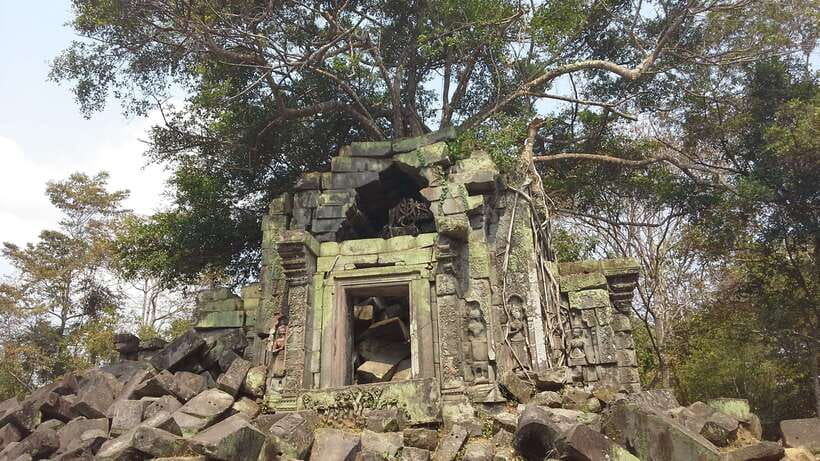
- Beng Mealea’s huge, jungle-overgrown footprint (over a square kilometer).
- Angkor Wat-style connections: it shares a design flavor attributed to the same king, with hints that it may have influenced Angkor Wat.
- Private-group pace with hotel pickup/drop-off and an English speaking guide.
- Comfort setup: air-conditioning in the vehicle and cool drink water between stops.
Getting to Koh Ker and Beng Mealea from Siem Reap (and why the drive matters)
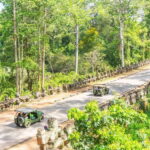
This tour starts with hotel pickup in Siem Reap city, then you head north-east toward Koh Ker. You’re covering about 130 kilometers, and that distance is the secret ingredient. The ride through Cambodian countryside helps you forget the “linear Angkor circuit” vibe and start seeing these temples as part of a wider historical map.
On a practical level, the transport is handled for you: an air-conditioned vehicle, cool drink water, and an English speaking guide to keep the day moving. Also, because this is a private group, you’re not stuck in a rigid flow where you have to keep your eyes glued to the guide’s pace. You can slow down where you want photos, shade, or a better look at carvings.
One small reality check: rural driving can be slow in places. Even on a well-run day, your schedule depends on road conditions and timing between stops, so it helps to keep a calm mindset. If you’re the type who gets tense when roads aren’t smooth, pack patience with your sunscreen.
You can also read our reviews of more tours and experiences in Angkor Wat.
Prasat Thom at Koh Ker: visiting a Khmer capital remnant
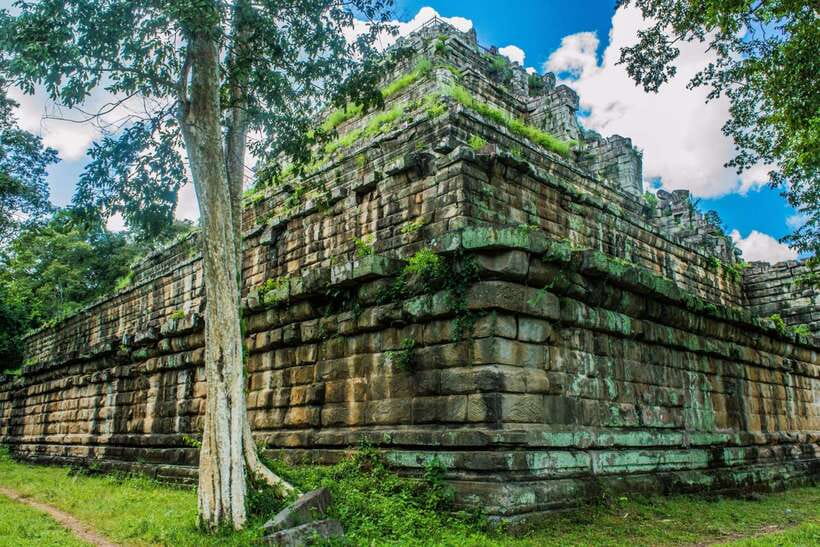
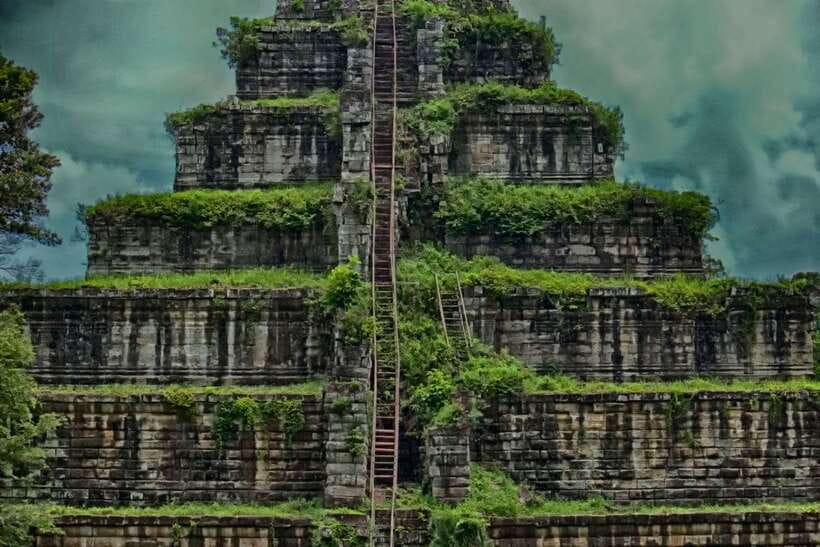
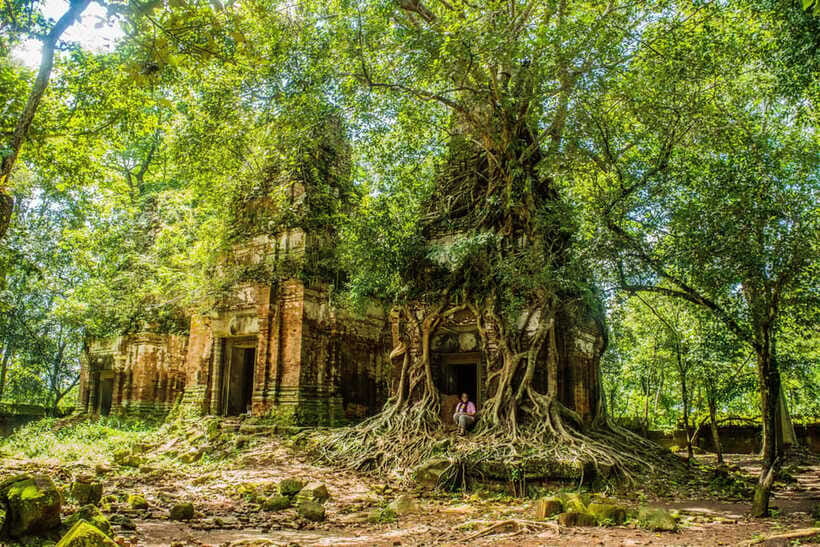
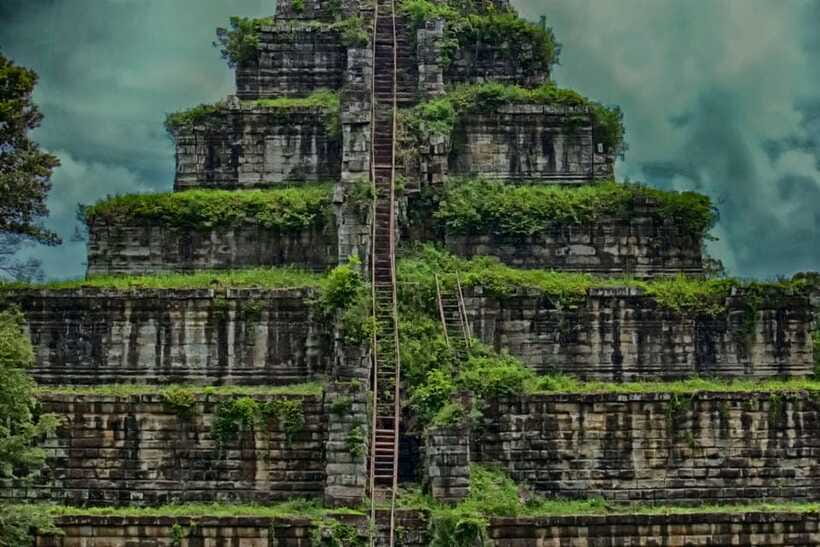
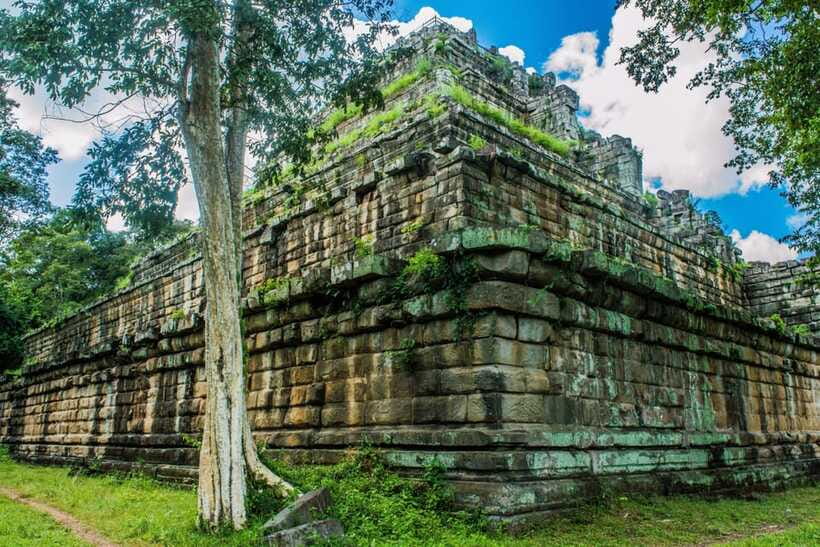
Koh Ker is one of the best places in the wider Angkor region to understand that Khmer history didn’t live only in one city. The Koh Ker temple group area is tied to Koh Kor, located to the north-east of Siem Reap, and it represents the remnants of the Khmer capital from 928–944 AD.
What you’ll like here is the feeling of stepping into a different chapter. Instead of focusing on the most famous Angkor monuments, you’re walking through the afterlife of a capital that’s much less about showmanship and much more about context. Your guide’s job is valuable on days like this, because a lot of what you see is fragments—stone, structure, and layout—and the story helps you connect those pieces to the bigger Khmer political map.
What to look for while you’re there
Bigger is not always better with temples. At Koh Ker, I’d prioritize:
- Structure and setting: how the temple sits and how space is laid out.
- Stone details: even when carvings aren’t “everywhere,” a few features can tell you a lot.
- Historical framing: why this place mattered during that 928–944 AD period.
A drawback to consider
Because Koh Ker is remote, you’ll spend time traveling and walking. If you dislike long days or uneven temple ground, plan to take your time and use your walking shoes early—don’t wait until you’re already tired.
Beng Mealea: a late 11th-century temple swallowed by the jungle
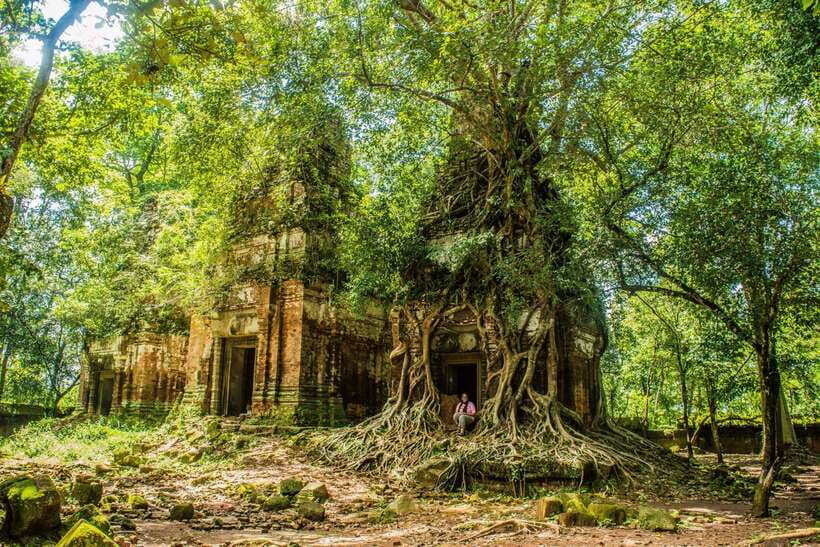
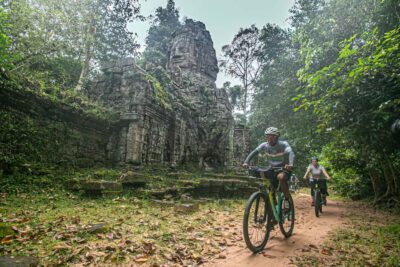
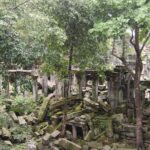
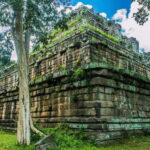
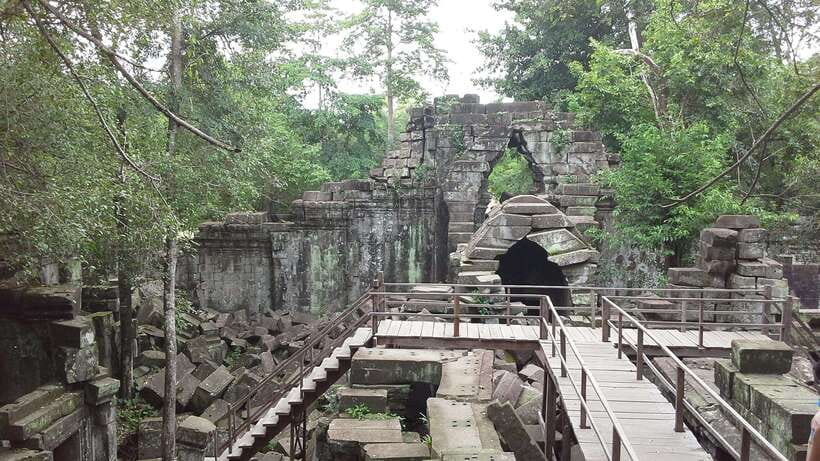
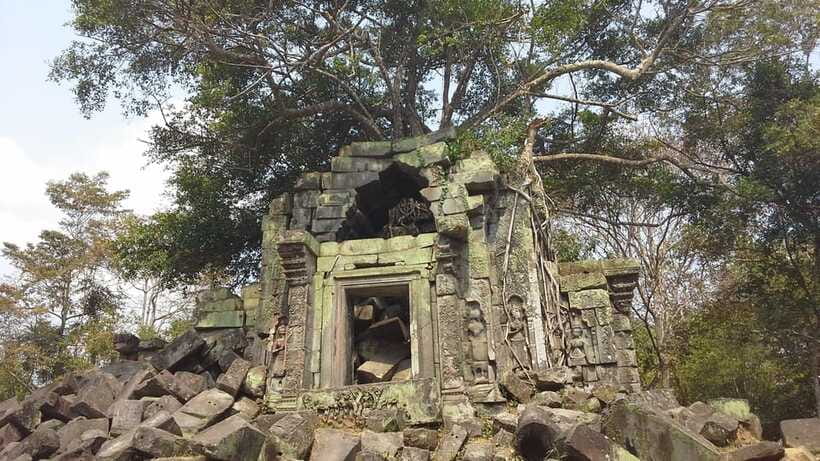
After Koh Ker, you’ll visit Beng Mealea, a temple built at the end of the 11th century. It’s a sprawling place, covering more than a square kilometer, and it’s now largely overrun by vegetation. This is one of the reasons Beng Mealea feels different from many other Angkor-region stops. It doesn’t try to be perfect. It looks like time is still actively working on it.
Angkor Wat-style clues, minus the usual storytelling
Beng Mealea is described as being constructed in a distinctly Angkor Wat style by the same king. That detail matters because it helps you see it as more than a random jungle ruin. The temple may have served as a prototype for Angkor Wat, which makes your visit feel like watching an idea evolve.
Now here’s the part that will shape how you experience it: there are no bas-reliefs, and carvings are relatively scarce. That means your attention shifts away from “picture book” storytelling panels and toward:
- the overall layout
- the volume of the structure
- how the site opens up in fragments
Also, when the temple was in active use, its walls may have been covered, painted, or adorned with frescoes. Over time, those finishes disappeared, leaving you with the bones. If you go in expecting heavy carving coverage, you might feel a mismatch. If you go in ready to watch the architecture and environment do the work, you’ll probably enjoy it more.
Beng Mealea’s “crossroads” role
This temple sat at the crossroads of several major routes that ran to Angkor, Koh Ker, and Preah Vihear. That turns Beng Mealea into a kind of historical junction. Even if you don’t see dramatic signage or markers, your guide can help you imagine how people moved between these places—why Beng Mealea mattered even when it wasn’t the main star.
What the day feels like: timing, pace, and walking comfort
You’re signing up for an 8-hour full-day tour. That’s long enough to feel like a real outing, not a quick hit, but short enough that you shouldn’t dread the whole day in one go.
Here’s the pacing logic I’d expect and recommend you prepare for:
- A long morning drive out of Siem Reap.
- Temple time that involves real walking, plus time to pause and look closely.
- Another site visit that’s bigger than it appears from afar, because Beng Mealea spreads out widely.
Bring comfortable walking shoes. It’s not glamorous advice, but it’s the difference between enjoying the last hour and rushing through it.
Weather and clothing rules you should not ignore
The tour operates in all weather conditions, so you need to dress for heat and also be ready for rain. On top of that, there’s a specific dress code: only trousers or knee-length skirts or dresses are permitted. If you’re used to shorts being your default travel outfit, swap them before you head out.
One more vehicle rule: no smoking in the vehicle. It’s a small thing, but it helps the day feel more comfortable.
Price and value: what $109 covers (and what you must add)
At $109 per person for an 8-hour private day, you’re paying for more than entry to temples. You’re paying for:
- hotel pickup and drop-off in Siem Reap
- an air-conditioned vehicle
- an English speaking guide
- cool drink water
- local taxes
Those pieces matter. In Siem Reap, the “how you get there” part can make or break your day. Having transport and guidance handled is especially helpful for Koh Ker and Beng Mealea, where distance and layout can be confusing without context.
What’s not included is equally important:
- Temple pass
- Lunch at a local restaurant
- Personal expenses
So I’d treat the quoted price as your base day cost, then budget a little extra for the pass and your meal. If you’re trying to keep a tight food budget, eat a solid breakfast before pickup, then plan where you’ll pick up lunch once you know how the timing lands that day.
Private group perks: how this tour adapts to you
This is a private group tour. That changes the tone. Instead of feeling like you’re a number in a bus window, you get more control over your pace and questions.
You’ll also be working with an English speaking guide, and that matters a lot on days when you’re seeing fragments and ruins rather than fully restored monuments. One review feedback I found useful is that guide clarity can vary. If you’re sensitive to accents or fast speech, it helps to come with a mindset of asking simple questions when something isn’t landing right away. Also, don’t be shy about focusing on what you want explained—politics, culture, temple design, or how routes connected these places.
And yes, air-conditioning and cool water between temples is not a luxury you should take for granted in Cambodia heat. It keeps the day from turning into a survival contest.
Who this tour suits best
This day tour is ideal if you:
- want a break from only doing the big Angkor hits
- enjoy temples where nature takes an active role
- like connecting architecture to history (capital period, route crossroads, and design influences)
- prefer a guided experience so you can understand what you’re seeing rather than just photographing stones
You might skip it if you:
- hate long drives or an 8-hour commitment
- need fully restored sites with lots of carved panels to feel satisfied
Should you book this Koh Ker and Beng Mealea day tour?
If your goal is a more off-the-main-path Siem Reap day, I think this is a strong choice. Koh Ker gives you the sense of Khmer power shifting beyond the obvious, and Beng Mealea rewards you if you like temples that feel organic, partly unfinished by time, and less about polished tourist structure.
Book it if you’re comfortable walking, you follow the clothing rules (trousers or knee-length), and you plan for the temple pass and lunch. Skip it if you want a short day with minimal walking and lots of dense carving details—this is more about context, architecture, and jungle atmosphere than decorative density.
FAQ
How long is the Prasat Thom, Koh Ker Group & Beng Mealea tour?
The tour duration is 8 hours.
Where does pickup happen?
Pickup and drop-off are from hotels in Siem Reap city (Krong Siem Reap).
Is lunch included?
No. Lunch at a local restaurant is not included.
Do I need to buy a temple pass?
Yes. The temple pass is not included.
Is the tour a private group?
Yes, it’s a private group.
What’s included in the price?
Included are hotel pickup/drop-off, an air-conditioned vehicle, an English speaking guide, cool drink water, and local taxes.
Is smoking allowed during the tour?
Smoking is not allowed in the vehicle.
What should I wear to the temples?
Only trousers or knee-length skirts or dresses are permitted. Comfortable walking shoes are recommended.
Does the tour run in bad weather?
Yes. It operates in all weather conditions, so dress appropriately.