REVIEW · ANGKOR WAT
Two Days Angkor Wat Park-Beng Mealea and Kampong Phluk Village
Book on Viator →Operated by Toptrip Inspire Cambodia · Bookable on Viator
A five a m start changes everything. This two-day Angkor adventure is built around early entry timing, a tight hit of the big temples on Day 1, then a calmer follow-up with Beng Mealea and the floating life at Kampong Phluk on Day 2. I like how the route mixes classic Angkor highlights with places that feel more raw and less restored, and I also like that the guide (Thom, in particular) connects the dots between stone, stories, and everyday village life. The main thing to plan for is costs on top of the tour price, especially temple entrance fees and a boat fee at Kampong Phluk.
You also get an air-conditioned vehicle, an English-speaking guide, and drinking water, so the “hot and tired” part is managed better than the usual bounce-between-temples plan. The itinerary is long enough to feel substantial, but not so frantic that you spend the whole time staring at your watch. The one consideration: you’ll be up early, and you’ll do real walking in temple compounds, so bring shoes you trust.
In This Review
- Key Highlights and Why They Matter
- Two Days That Start With Dawn, Then Slow Down
- Day 1: Angkor Wat Sunrise and the Classic Core of Angkor Thom
- Angkor Wat at Dawn: Best Light, Best Crowd Control
- South Gate of Angkor Thom: A Photo Stop That Actually Works
- Bayon Temple: The Centerpiece You’ll Keep Looking At
- Baphuon: Pyramid Shape and Viewpoint Energy
- Terrace of the Elephants (and the Leper King Path)
- Phimeanakas and Small Temple Pass-Through
- Ta Prohm: Jungle Temple With a Very Different Mood
- Day 2: Floating Life, Beng Mealea’s Wildness, and Banteay Srei’s Pink Stone
- Kampong Phluk Floating Village: Real Life on Tonle Sap
- Prasat Beng Mealea: The Jungle Sanctuary That Feels Less Restored
- Banteay Srei: Pink Sandstone Carvings Worth the Detour
- Price and Value: What You Pay, What You Still Need to Budget
- Who This Tour Fits Best (and Who Might Want to Adjust Expectations)
- What to Pack and How to Make It Easier
- Should You Book This Two-Day Angkor Wat and Beng Mealea Tour?
- FAQ
- Do I need to pay temple entrance fees separately?
- Is the boat ride at Kampong Phluk included?
- Does the tour include pickup from Siem Reap?
- Are meals included on this tour?
- How long is the tour overall?
- Is this a private tour?
Key Highlights and Why They Matter
- 5 AM sunrise focus at Angkor Wat to cut the crowd pressure right at the start
- Thom’s story-led guiding that links what you see to what it meant at the time
- Ta Prohm as a contrast to the more orderly temple layouts elsewhere
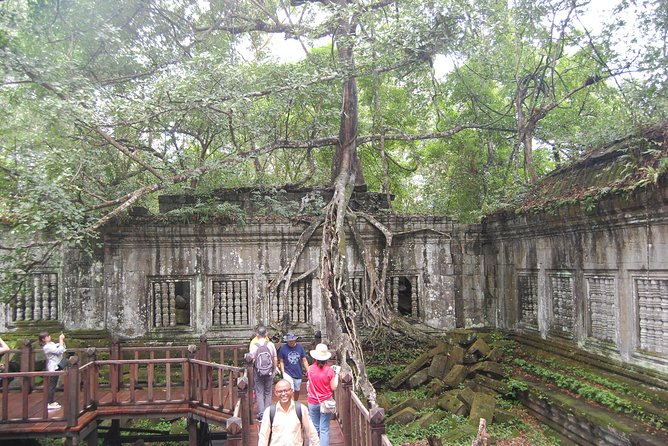
- Beng Mealea’s less-restored feel that makes the jungle-temple experience more physical
- Kampong Phluk on Tonle Sap with a boat ride you should budget for
- Private tour setup for a group of up to 3, which keeps the pace comfortable
Two Days That Start With Dawn, Then Slow Down
The biggest strength of this tour is the timing philosophy. Angkor temples are at their best when you’re early enough to enjoy them without being pushed along by big tour waves. The day begins around sunrise at Angkor Wat, with the tour designed for a 5 AM start so you’re already in place before the heaviest crowd crush.
What I like is how the schedule uses that early energy wisely. Day 1 is about seeing core temples that show you different building styles and how the royal-city complex worked. Day 2 then shifts gears: less crowd, more jungle texture, and a look at Cambodian life beyond the temple ticket window.
The second strength is the guide style. In the feedback I heard, Thom comes up again and again for turning “scenery” into understanding. That matters, because Angkor can feel like a lot of stone when you’re just checking boxes. With the right context, each stop starts to read like a chapter.
You can also read our reviews of more tours and experiences in Angkor Wat
Day 1: Angkor Wat Sunrise and the Classic Core of Angkor Thom
Day 1 is a smart sweep through the “core” temples of Angkor Thom plus the iconic jungle temple Ta Prohm. It’s the kind of day where you’ll feel like you covered a lot, but you won’t feel like you got dragged through it.
Angkor Wat at Dawn: Best Light, Best Crowd Control
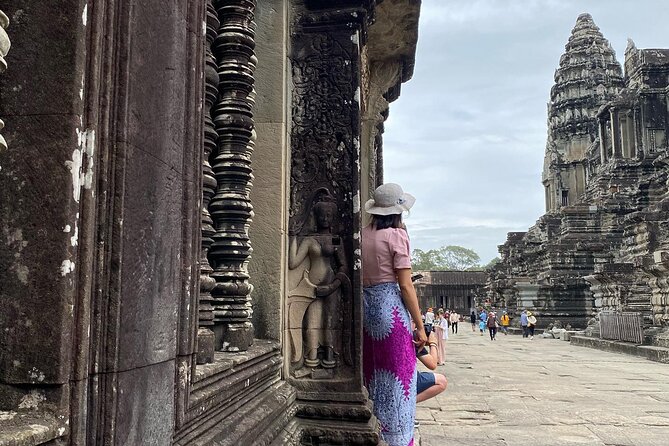
You start with the sunrise watch at Angkor Wat. Even if you’ve seen sunrise photos before, being there in person is a different kind of payoff. The air feels cooler. The colors change fast. And because you’re there early, you’re not stuck fighting for viewing angles or getting boxed in by groups arriving later.
One practical tip: bring a light layer. It can be cool in the early hours, and you’ll likely be outside longer than you expect before the day heats up.
Also, the tour doesn’t just stop at sunrise. After you’ve taken it in, you keep moving into the broader temple complex later on the same morning.
South Gate of Angkor Thom: A Photo Stop That Actually Works
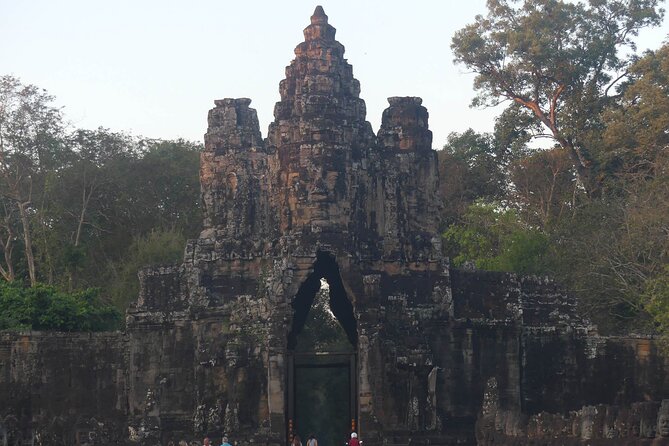
Next is the Angkor Thom South Gate. This is a quick stop—about 20 minutes—but it’s enough time to get photos without feeling rushed. The gate is a strong visual “arrival moment,” and it helps you orient yourself before going deeper into the city layout.
If you’re the kind of person who likes to compare stone details across temples, use this brief window to notice the style—because later stops will feel less random.
Bayon Temple: The Centerpiece You’ll Keep Looking At
Then you go to Bayon Temple, the standout in the center of Angkor Thom. Expect around 1 hour here. Bayon is known for its famous faces, and what I appreciate about it in a guided setting is that it doesn’t just become a photo backdrop. The guide’s explanations help you see how the temple fits into the broader Angkor Thom plan.
This stop is a good place to pause. If you keep moving too fast, you miss the feeling of repetition—the way the design keeps pulling your eyes back.
Baphuon: Pyramid Shape and Viewpoint Energy
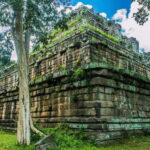
The schedule continues to Baphuon, with about 45 minutes set aside. It’s a temple that feels more “pyramidal,” and the structure gives you a different kind of visual rhythm than the more face-forward Bayon.
If you’re someone who likes viewpoints, this is the kind of stop where you might find yourself looking around more than you planned.
Terrace of the Elephants (and the Leper King Path)
Next is the Terrace of the Elephants, with about 20 minutes. This is a shorter visit, but it’s time well spent because the terrace gives you a walking-feel view across carved elements. You’ll also pass the Terrace of the Leper King, which helps you connect related carving zones without turning it into a long detour.
This is the kind of stop where you’ll either love it or feel impatient—so if you’re into carvings, take it slow and look at the details rather than trying to memorize everything.
Phimeanakas and Small Temple Pass-Through
After that, you visit Phimeanakas, about 30 minutes. The focus here is on walking through the area connected to the former royal palace compound and seeing the smaller temples around it.
This stop can feel a bit different from the big “main event” temples, and that’s the point. It helps the whole site feel like a living complex rather than a list of landmarks.
Ta Prohm: Jungle Temple With a Very Different Mood
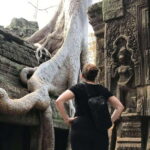
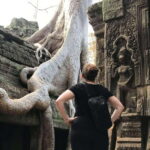
You finish Day 1 at Ta Prohm, typically around 1 hour. This is the famous jungle temple where roots and stone look locked together in a way that feels almost theatrical. It’s not just about the wow-factor; it’s also a contrast day. After the more structured Angkor Thom stops, Ta Prohm gives you that wild, overgrown atmosphere.
If you want photos without getting stuck in the most crowded angles, move with intention. Don’t just stand and shoot—walk a few steps, look back, then reposition.
Day 2: Floating Life, Beng Mealea’s Wildness, and Banteay Srei’s Pink Stone
Day 2 is where the tour stops trying to win at “most sites,” and starts winning at variety.
You’ve got three very different experiences: Kampong Phluk floating village life, Beng Mealea as a more untouched-feeling jungle temple, and Banteay Srei with its famous pink sandstone carvings.
Kampong Phluk Floating Village: Real Life on Tonle Sap
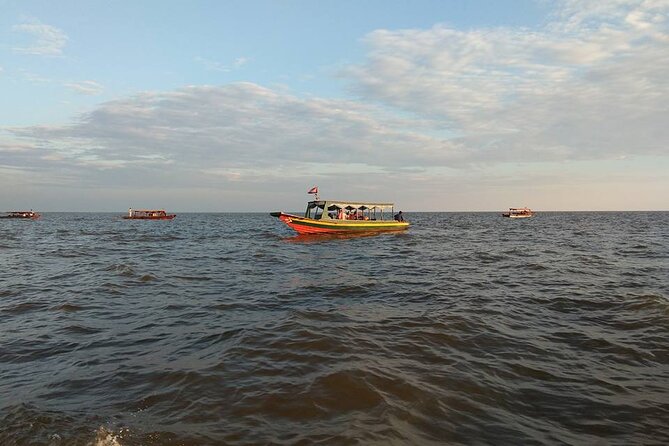
You start with Kampong Phluk Floating Village / Kampong Khleang Village around 2 hours. This part is centered on the way of life along the Tonle Sap lake, where communities live with the water rather than against it.
One key cost note: the boat fee is $25 per person, and it’s not included in the tour price. You’re going to want to budget for it, because this is the part where you get the best view of the floating community.
A practical advice from the vibe of prior experiences: don’t treat the boat ride like a quick checkbox. If you take a little extra time on the water, you get more of the atmosphere—the pacing, the water reflections, the sense of how everything works around the shoreline.
Prasat Beng Mealea: The Jungle Sanctuary That Feels Less Restored
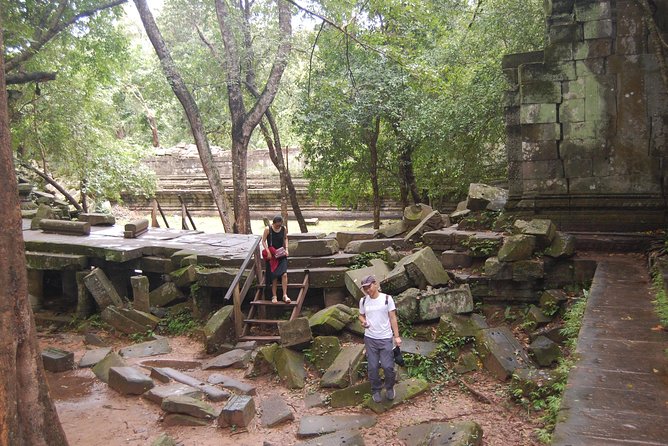
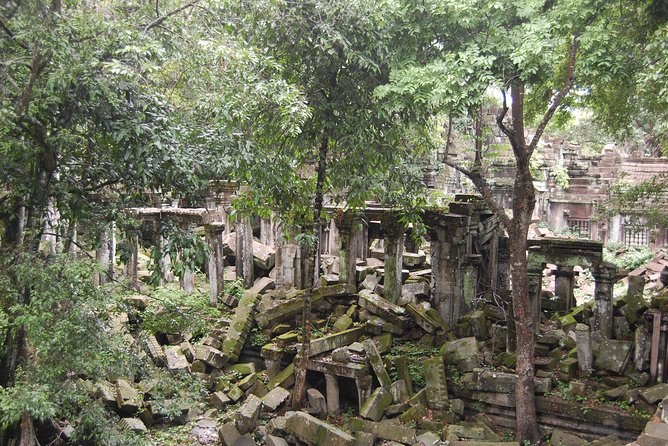
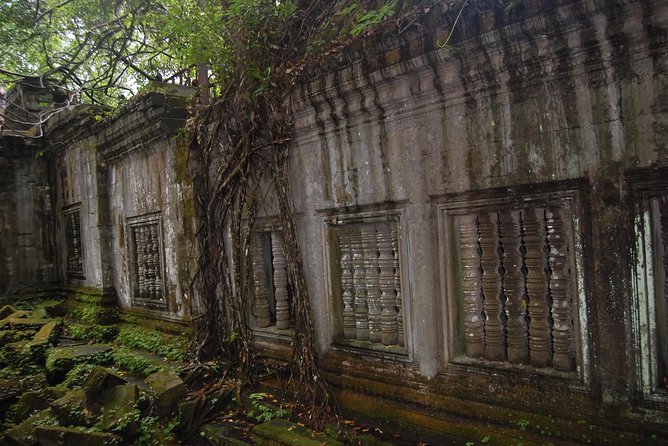
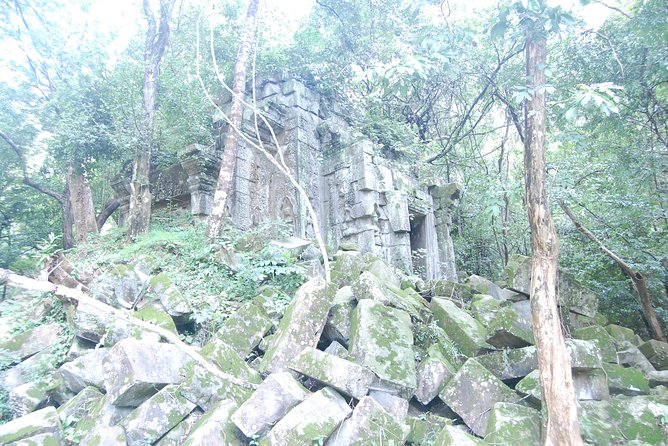
Next is Prasat Beng Mealea, a jungle sanctuary visited for about 1.5 hours. This is described as not revamped, meaning you’ll feel the difference. Instead of crisp museum-like restoration, the temple gives you more of that “nature taking its turn” impression.
This is the stop that makes the tour feel like a true adventure. You’ll likely do uneven ground and some moving through dense-feeling areas, so good shoes matter.
If you’re cautious about walking or you prefer a lighter day, you may still enjoy Beng Mealea, but plan for the physical side. The upside is that it’s precisely this roughness that creates the sense of discovery.
Banteay Srei: Pink Sandstone Carvings Worth the Detour
Then you go to Banteay Srei, about 1 hour. It’s known for pink sandstone and very detailed carving work, and the tour frames it as a temple where the craftsmanship is a major draw.
This stop is a strong closer because it returns you to fine detail after the jungle chaos of Beng Mealea. Even if you’re tired, your eyes will find patterns here. If you like ornamentation, this is one of the better places in the region to slow down.
Price and Value: What You Pay, What You Still Need to Budget
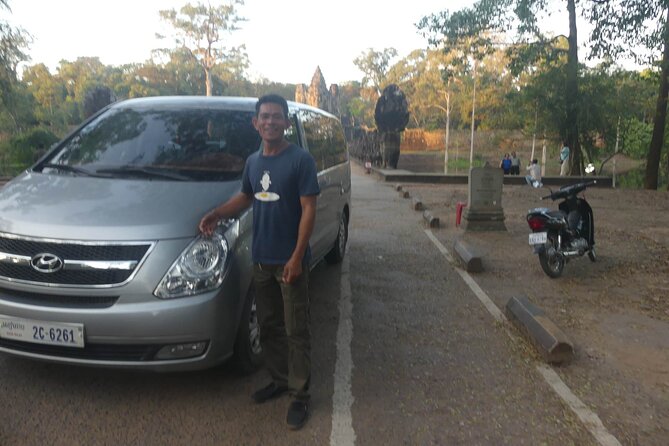
The tour price is $260.69 per group (up to 3) for two days. What makes that reasonable is that you’re getting a private feel (your group only), English-speaking guide support, and an air-conditioned vehicle plus drinking water.
The two big add-ons are:
- Temples fee (not included)
- Boat fee at Kampong Phluk: $25 per person (not included)
That’s the trade-off: you’re paying for access and guidance, but not for the site admissions themselves. If you’re comparing value, the question is simple: does the smart timing and the guide’s explanations save you from doing this all on your own? For most people, especially if you don’t want to plan early mornings and route hops, it does.
Also, because it’s priced per group rather than per person, it can be a good deal if you’re traveling with up to two others.
Who This Tour Fits Best (and Who Might Want to Adjust Expectations)
This is a great fit if you want two full days without spending the trip constantly solving logistics. It’s also ideal if you’re the kind of person who likes explanations, not just photos—Thom’s style is repeatedly associated with making the experience feel like learning.
It also tends to work well for groups who may need a pace adjustment. One earlier experience highlighted that the guide handled a slight walking disability, which is a good sign that the tour can be flexible in practice—still, you should plan for walking inside temple compounds.
If you hate early mornings, you’ll still enjoy Day 1, but the sunrise part won’t feel as magical. And if you want only restored sites with smooth paths, you may find Beng Mealea more challenging than expected.
What to Pack and How to Make It Easier
You’ll be outside a lot, and Angkor days can go from cool to hot fast. Plan for:
- Comfortable walking shoes (for stone and uneven ground)
- Sun protection for daylight hours
- A light layer for early sunrise timing
- Cash or card access for what’s not included: temple fees and the $25 boat fee per person
If you’re getting up early, eat something before you start moving. It’s the small thing that stops the day from feeling like a grind.
Should You Book This Two-Day Angkor Wat and Beng Mealea Tour?
I’d book this if you want a smartly timed Angkor experience with a mix of iconic temples and places that feel more “in the wild.” The early Angkor Wat dawn is the kind of moment that’s hard to replicate later, and Day 2 adds variety with Kampong Phluk and Beng Mealea before finishing at Banteay Srei.
I wouldn’t book it if you want zero walking, you dislike paying separate site fees, or you’re unwilling to budget for the Kampong Phluk boat ride. Also, if sunrise sounds like stress to you, you may feel it more than you should.
FAQ
Do I need to pay temple entrance fees separately?
Yes. Temple fees are not included, so you should expect to pay them during the tour.
Is the boat ride at Kampong Phluk included?
No. The boat fee is $25 per person and is not included.
Does the tour include pickup from Siem Reap?
Yes. Pickup is offered, with the start point listed as Krong Siem Reap, Cambodia.
Are meals included on this tour?
The tour information provided does not mention meals as included, so you should plan for your own food.
How long is the tour overall?
It runs for about 2 days (approx.), with a full Day 1 temple circuit and a Day 2 schedule covering Kampong Phluk, Beng Mealea, and Banteay Srei.
Is this a private tour?
Yes. It’s a private tour/activity where only your group participates (up to 3 per group).