REVIEW · ANGKOR WAT
Angkor Temples Highlights Tour: 2 Days with Sunrise
Book on GetYourGuide →Operated by BAYON GUIDES · Bookable on GetYourGuide
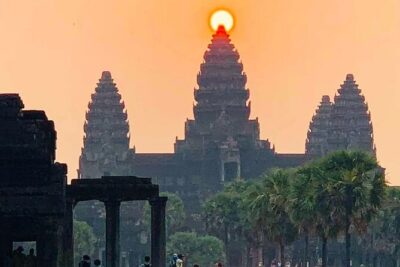
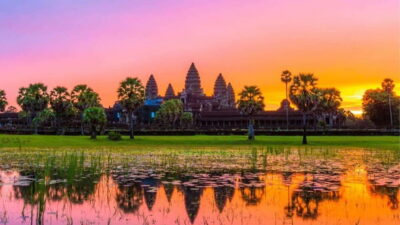
Angkor feels different before the crowds. This 2-day tour starts with a 4:00 AM sunrise that turns Angkor Wat into glowing gold, then keeps rolling through the Khmer Empire’s most famous (and a few less-frequent) temple stops. I particularly like that the day is guided from start to finish, so you’re not just walking around guessing what you’re seeing.
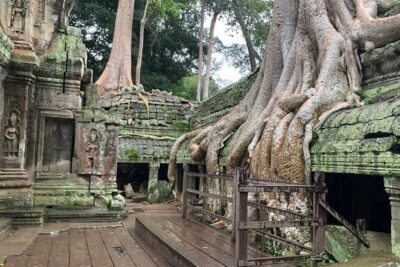
I also love the mix of temple styles: the open grandeur of Angkor Wat and the tree-wrapped Ta Prohm vibe that makes you feel like you stumbled into a movie set. Add in Angkor Thom and its Bayon faces, and you get a clear sense of how power and religion looked in Khmer times—not just one highlight photo.
One thing to consider: it’s an early morning schedule, and even with cooling breaks, you’re trading sleep for magic. If you hate waking up before dawn, this tour might feel like a strong cup of coffee—worth it, but not for everyone.
In This Review
- Key Things I’d Prioritize on This Tour
- The 4:00 AM Rhythm: Why This Tour Starts So Early
- Angkor Wat at Dawn: The Photo Moment With Real Temple Time
- Angkor Thom and Bayon: Smiling Faces and Major Walking
- Ta Prohm’s Jungle Embrace: When Roots Take Over the Stone
- Ta Keo: A Worthwhile Stop Between Icons
- Grand Circuit Day 2: More Temples, Less Predictability
- Banteay Srei’s Pink Sand: Small Temple, Big Craft
- Beng Mealea: The Chaotic Cousin of the Big Names
- Guide Quality: The Real Difference You Pay For
- Price and Value: What $39 Buys (and What It Doesn’t)
- Who Should Book This 2-Day Sunrise Tour
- Should You Book It? My Practical Take
- FAQ
- How long is the Angkor Temples Highlights Tour with sunrise?
- What time does the sunrise part start?
- Are meals included?
- Do I need an Angkor Temple Pass?
- What’s included in the tour price?
- Is the tour private or shared?
- Can the tour be extended until sunset?
Key Things I’d Prioritize on This Tour
- Sunrise timing at Angkor Wat for that first-light look and softer atmosphere
- Jungle temple scenes at Ta Prohm with huge roots over stone
- Angkor Thom + Bayon Temple to understand the Khmer capital in context
- Grand Circuit coverage with multiple stops beyond the usual single-temple day
- Banteay Srei for delicate pink sandstone carvings
- Beng Mealea for a more wild, less-restored-feeling end to the experience
The 4:00 AM Rhythm: Why This Tour Starts So Early
This tour is built around the one time of day when Angkor feels almost manageable. Pickup happens at 4:00 AM, and you should be ready in your hotel lobby about five minutes before departure. You’ll spend the morning in the temple complex while the light is low and the heat hasn’t fully arrived yet.
That early start matters because Angkor is huge and you’ll walk. With only two days, the pacing is tight enough to hit multiple temples, but not so rushed that it’s impossible to follow along. If you’re the kind of traveler who likes seeing the “before peak hour” mood—this is where you win.
You also get a real reset built into the day. After the first morning’s temple run, you return to your hotel to rest and refresh for the next day’s circuit. That break is a big quality-of-life upgrade in a place that can cook you.
You can also read our reviews of more tours and experiences in Angkor Wat
Angkor Wat at Dawn: The Photo Moment With Real Temple Time
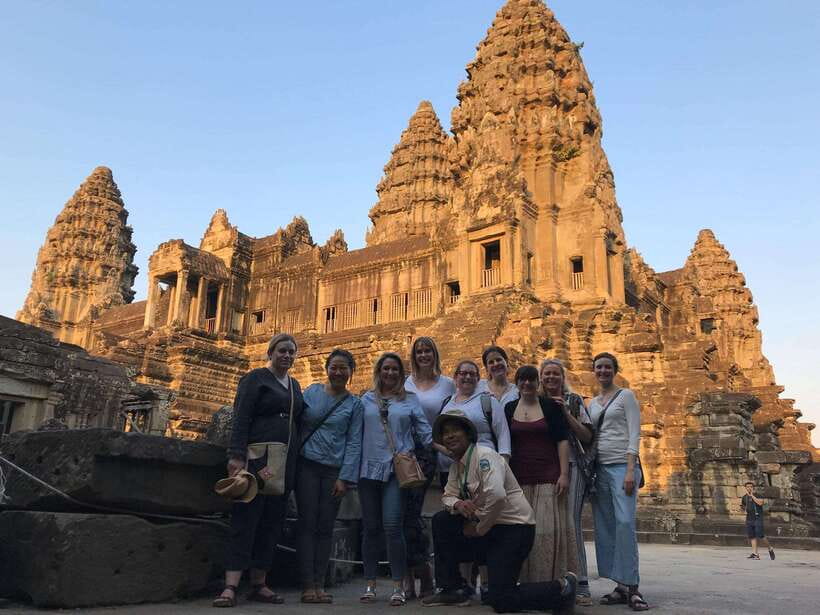
Angkor Wat is the anchor stop, and the tour gives it real time—about 2 hours with a guided focus. Sunrise here isn’t just a spectacle. It changes how you read the temple: the angles, the moats, and the stone surfaces all look different in early light than they do under harsh midday sun.
A practical note: sunrise at Angkor Wat also means crowds. The upside is that the guide’s job becomes timing—getting you to the right views and helping you understand what you’re looking at. In the reviews, I saw a pattern of guides aiming for the best photo positions, without making the day feel like a factory line.
When the light shifts and the temple wakes up, you’ll move from “wow” to “okay, now I get it.” That’s the value of having a guide who can explain the symbolism and context instead of just pointing at carvings.
Angkor Thom and Bayon: Smiling Faces and Major Walking
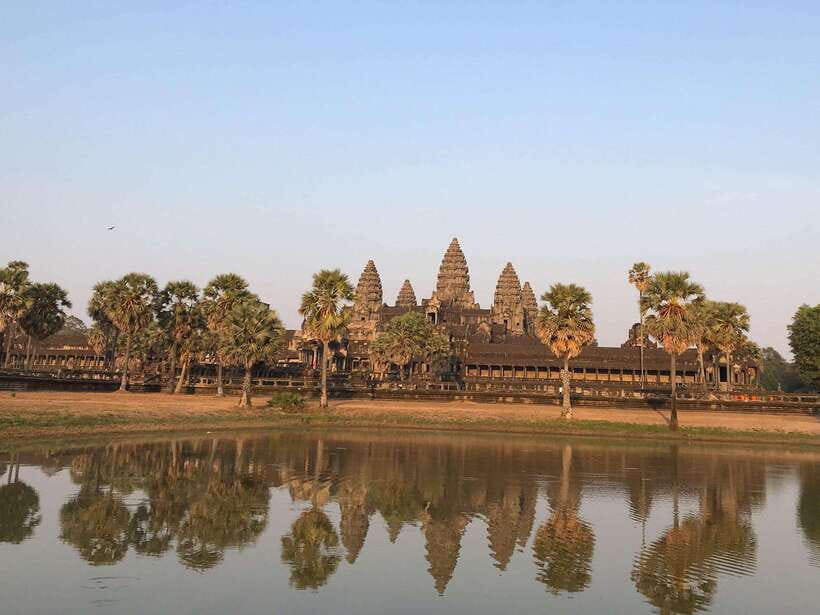
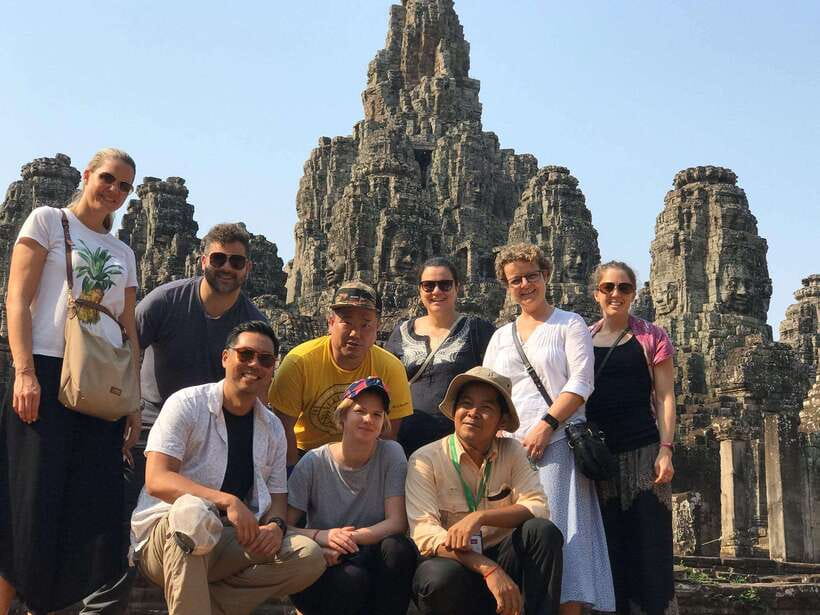
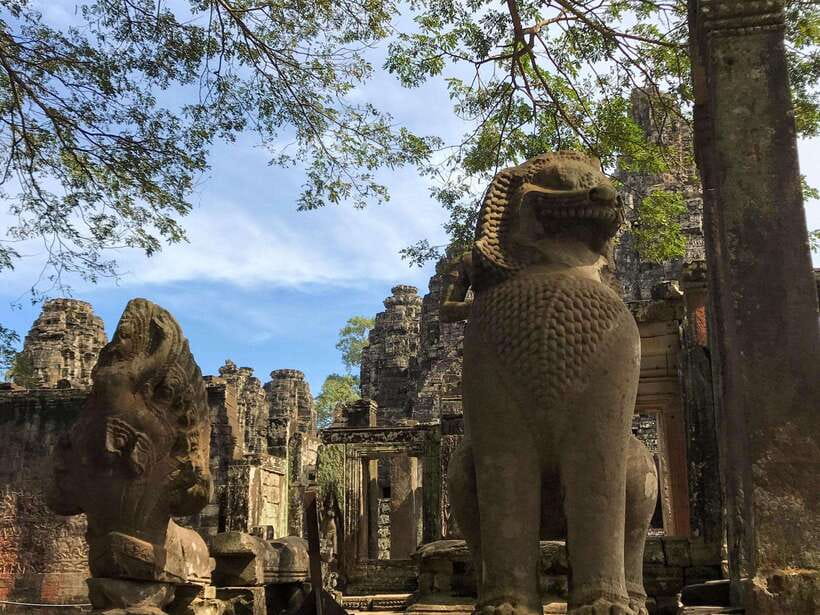
After Angkor Wat, the tour heads into Angkor Thom, the last capital of the Khmer Empire. Expect a guided walk through the city’s grand gates, then time at Bayon Temple, famous for its serene, smiling stone faces.
This part works well if you want more than a pretty ruin. The Bayon faces help you connect the dots between architecture and authority—how a capital visually announced power and belief. It’s also a good contrast to the symmetry and calm of Angkor Wat. Here, you’re moving through a denser, more “lived-in by history” feeling landscape.
One consideration: this stop still comes with walking and heat. Plan for that, and use the guide’s pacing to keep your energy steady. If you tend to get tired fast, you’ll appreciate that the tour is structured with guided time blocks rather than leaving you stranded on your own.
Ta Prohm’s Jungle Embrace: When Roots Take Over the Stone
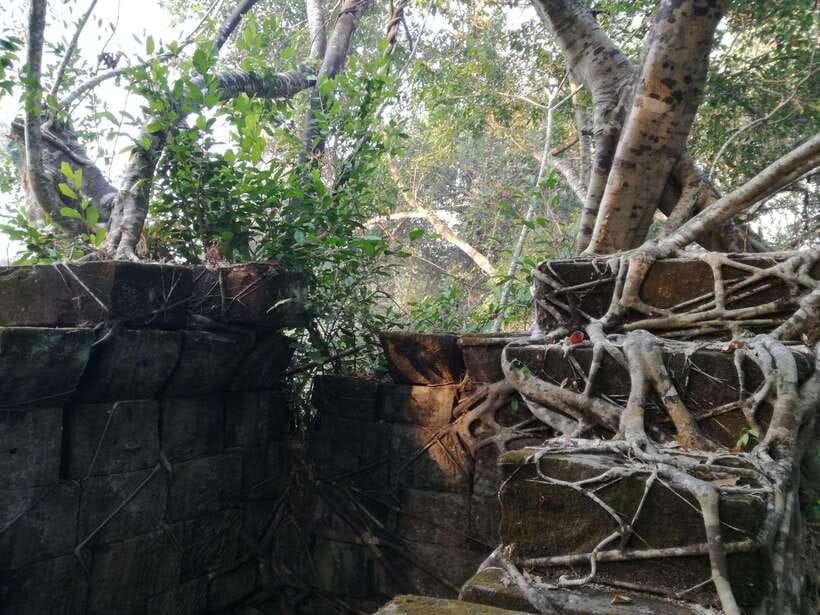
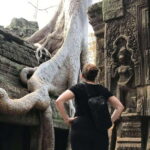
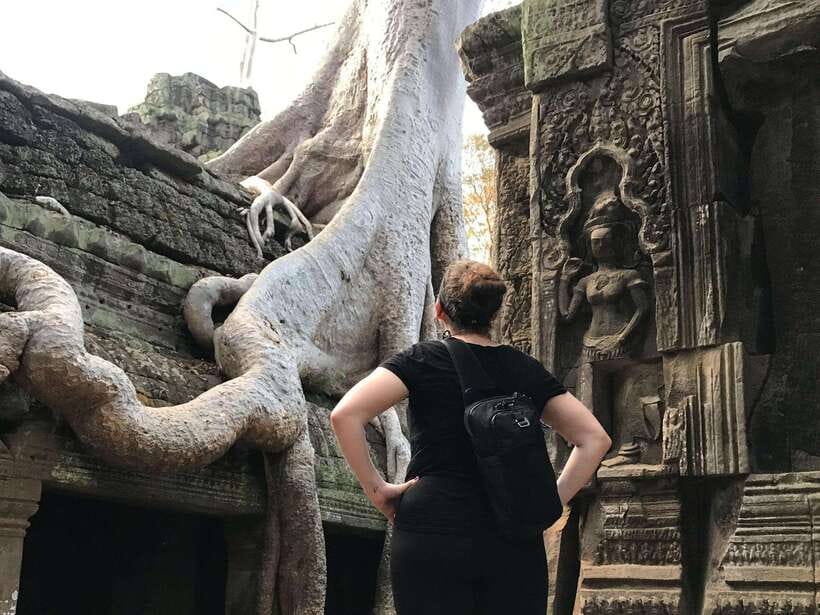
Ta Prohm is the temple most people recognize instantly—trees and massive roots wrapping stone like the jungle decided to reclaim it. The tour schedules about 1 hour here, which is usually enough time to see the main scenes and still understand what makes the place special.
What you’ll feel at Ta Prohm is the drama. The roots create natural framing, turning carvings into part of a bigger survival story. It also makes the photos easier: instead of hunting for a single perfect angle, the temple gives you big visual elements in every direction.
Still, manage expectations. Some guides may feel a bit more rushed at the beginning of a day packed with famous sites. If you get that vibe, it’s okay to ask the guide to slow down at the most important structures for you. The better guides I saw mentioned in the reviews don’t just “show you”—they help you notice.
Ta Keo: A Worthwhile Stop Between Icons
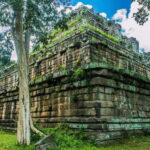
Between Angkor Thom and the other big names, the itinerary includes Ta Keo. It’s given around 1 hour and can be a nice breather because it’s less “all eyes” than the most famous sites. That can work to your advantage: you often get to focus more on form and detail rather than only the crowds.
Ta Keo helps round out the story of the Khmer program of temple-building—strong lines, steep steps, and the sense of planned grandeur. Even if you’re not the kind of traveler who can read temple architecture like a textbook, a guide can point out what to look for.
If you only have two days, stops like Ta Keo are what prevent the trip from becoming a two-temple highlight reel.
You can also read our reviews of more tours and experiences in Angkor Wat
Grand Circuit Day 2: More Temples, Less Predictability
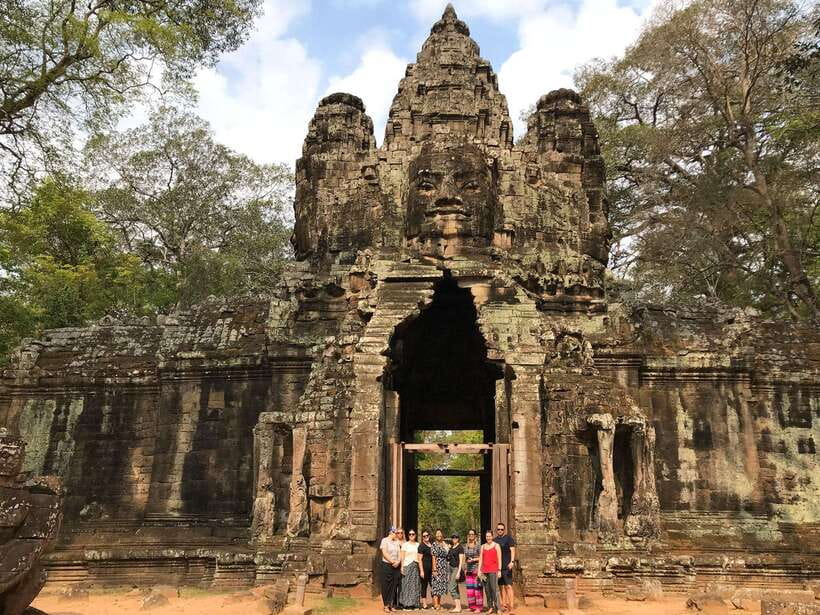
Day 2 is built around the Grand Circuit, a route that strings together multiple Khmer temple complexes and a few spiritual stops that change the pace. This is where you start to feel that the tour isn’t only chasing the loudest names.
You’ll see:
- Preah Khan: a sprawling temple complex with intricate carving detail and lots of structure to explore
- Neak Pean: a unique temple set on an island, with spiritual significance
- Ta Som and East Mebon: lesser-known, but beautiful in their own way, with character that feels less staged
The value here isn’t just quantity. The Grand Circuit gives you variety. You go from major complexes to more specific, symbolic spaces, and the guide helps translate that into something you can actually understand on your feet.
One of the best practical parts of a two-day plan is that it avoids the “temple fatigue” that hits after too many stops in one day. The tour keeps your flow, and you come back to Siem Reap at the end of day two, ready to decompress.
Banteay Srei’s Pink Sand: Small Temple, Big Craft
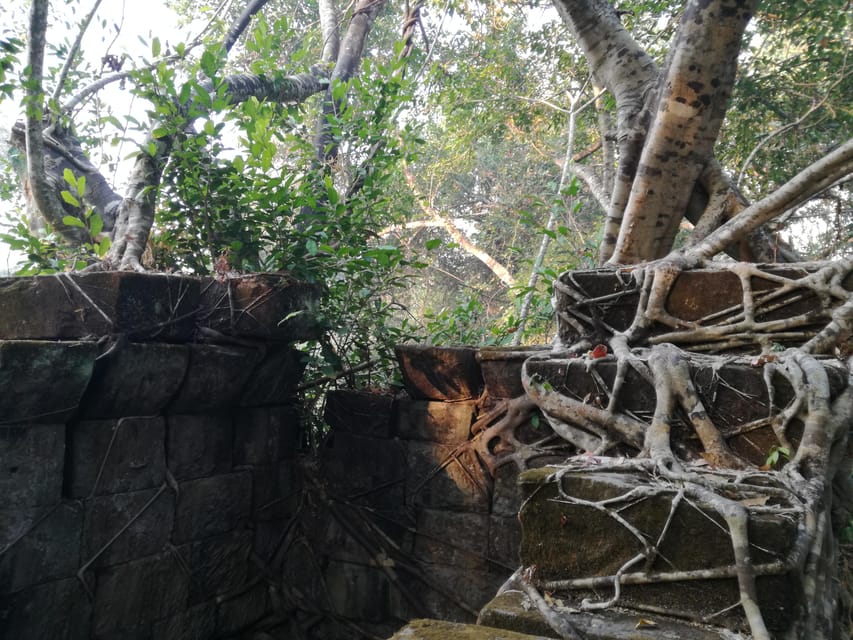
Banteay Srei is the tour’s star for fine detail. It’s described as the Citadel of Women and is known for delicate pink sandstone carvings and intricate artwork. The tour gives it about 1 hour, which is the right time window for detail work without dragging you into a standstill.
This is the stop you’ll feel most strongly if you like craft. The carvings reward close looking, and a good guide helps you see patterns and motifs rather than treating the whole temple like one long wall of stone.
In the reviews, the guides consistently helped with route and timing, and that matters a lot for a detail-heavy place like this. You don’t want to race through Banteay Srei; you want to linger just enough to appreciate it.
Beng Mealea: The Chaotic Cousin of the Big Names
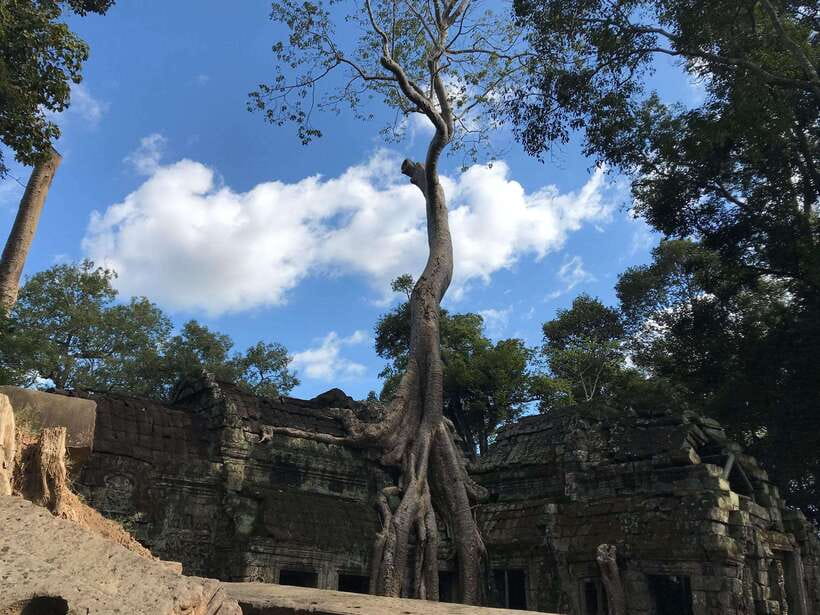
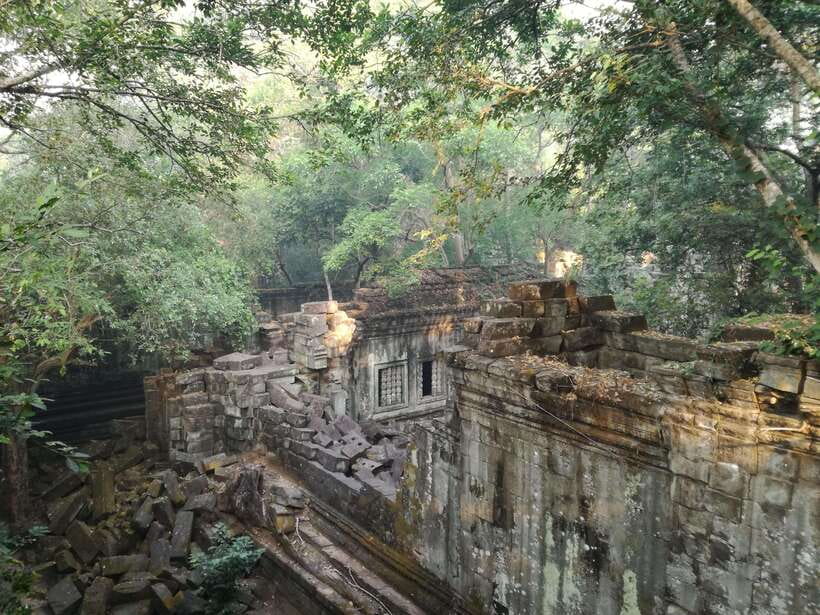
The tour also includes Beng Mealea, about 1 hour of guided sightseeing. This temple can feel wilder and less polished than the most famous sites. That’s not a drawback—it’s part of the appeal. It’s the kind of place where ruins feel more open, more broken, and more like you’re exploring rather than touring.
If you want variety on your second day, Beng Mealea does that job. It gives you a different kind of emotion: less “perfect monument” and more “what happened here, and how do you make sense of it?”
If you’re heat-sensitive, Beng Mealea might feel like a lot of walking. Still, having a guide helps you keep moving intelligently and not just wandering.
Guide Quality: The Real Difference You Pay For
This is a guide-heavy tour, and the guide’s style is a huge factor. The tour includes a professional English-speaking guide, and the reviews show a clear theme: guides who explain context and adjust the day based on what you want.
I saw several names pop up in reviews, including Leang, Sam, Steve/Steven, Tida, Say, Chennai, and Khleang Thyda. The standout pattern wasn’t just good English. It was how they handled pacing, photo angles, and route choices to reduce time trapped in crowd flow.
One review noted a guide even stopping for a local pharmacy when the traveler got sick on day one. That’s the kind of “small help, big stress reduction” you can’t measure in a brochure, but you’ll feel it in the moment.
Also pay attention to flexibility. The info states that you can request an extension until sunset at the temples without extra charge. That turns the tour from two-day sightseeing into something more like a true Khmer light show—if you’re up for it.
Price and Value: What $39 Buys (and What It Doesn’t)
The tour price is $39 per person for 2 days, which is a good deal on paper because it includes:
- A guide (English-speaking)
- Transportation (private air-conditioned car or small-group bus)
- Drinking water and cold towels
- Entry to the temples covered by the tour timing (but not the national pass)
The big “don’t miss this” cost is the Angkor Temple Pass. The pass for 2–3 days isn’t included and is listed at USD 62 per person. Meals also aren’t included.
So your realistic planning number is closer to $39 + $62 for the core access, plus whatever you spend on food. If you were thinking of doing Angkor independently, you’d be paying for transportation and guide help anyway. Here, you’re essentially buying time savings plus context plus a route built to cover a lot in two days.
Value also comes from the number of scheduled guided stops, including Ta Keo, Preah Khan, Neak Pean, Ta Som, East Mebon, Banteay Srei, and Beng Mealea. For two days, that’s a lot of temple variety.
Who Should Book This 2-Day Sunrise Tour
This tour is a strong fit for:
- You want sunrise at Angkor Wat and you’re okay with a very early start
- You like structured sightseeing but still want the chance to slow down where it matters
- You want a guide to explain what you’re looking at, not just a route map
- You prefer either a private experience or a small-group setup
It may be a weaker fit if:
- You hate early mornings and would rather enjoy a later start
- You want a leisurely, unhurried temple day with minimal travel time
- You’re very strict about not walking much between stops
If you’re traveling as a family, the tour can work because it’s flexible by design in how guides can pace and cut visits to match your energy level. The timing is still early, but the overall structure is built around two days rather than one long squeeze.
Should You Book It? My Practical Take
If you want two days that actually feel like you saw Angkor instead of just touching the surface, this is an easy yes. The sunrise component gives you a real emotional anchor, and the second day’s Grand Circuit stops keep things from feeling repetitive.
Book it if:
- You’re willing to trade sleep for sunrise
- You want guided context at major sites like Angkor Wat, Angkor Thom, and Bayon
- You like detail-focused temple moments at places like Banteay Srei
Skip it (or reconsider timing) if you’re the type who gets cranky before breakfast. Dawn tours are not subtle. They’re powerful, but they demand an early start.
FAQ
How long is the Angkor Temples Highlights Tour with sunrise?
It runs for 2 days, with pickup included.
What time does the sunrise part start?
The pickup is listed for 4:00 AM so you can reach Angkor Wat for sunrise.
Are meals included?
No, meals aren’t included.
Do I need an Angkor Temple Pass?
Yes. The tour does not include the 2–3 day Angkor Temple Pass, listed at USD 62 per person.
What’s included in the tour price?
You get a professional English-speaking guide, transportation (private air-conditioned car or small-group bus), and drinking water plus cold towels.
Is the tour private or shared?
It offers private or small groups.
Can the tour be extended until sunset?
Yes. An extension until sunset at the temple can be provided upon request.