REVIEW · SIEM REAP
Grand Circuit with Banteay Srei and Banteay Samre Tour
Book on Viator →Operated by Angkor Doors · Bookable on Viator
Pink sandstone and quieter Angkor temples. I like this Grand Circuit because it mixes the famous carvings at Banteay Srei with a string of lesser-visited sites, so your day feels varied instead of repetitive.
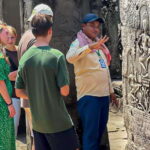
I also love the way the English-speaking guide keeps the story clear as you move from Hindu to Buddhist sites. In other departures, guides such as Pheng or Chen are praised for answering questions in fluent English and making the architecture easier to read.
One possible drawback: the entry cost can creep up, because the Angkor Pass (one-day, $37 per person) is not included in the $59 tour price.
In This Review
- Key highlights you’ll feel on the ground
- Why this Grand Circuit works when you want variety
- Getting there: pickup, AC comfort, and the Angkor Pass plan
- Morning temples: Preah Khan, Banteay Prei, Neak Pean, Ta Som, and East Mebon
- Preah Khan
- Banteay Prei
- Neak Pean (Entwined Serpents)
- Ta Som
- Eastern Mebon
- Lunch: plan it your way (and don’t underestimate the gap)
- Afternoon temples: Banteay Srei, Banteay Samre, and Pre Rup
- Banteay Srei (Citadel of the Women)
- Banteay Samre
- Pre Rup
- Dress code and photo tips that prevent hassles
- Price and value: what $59 really means (plus the pass)
- Who this tour fits best in Siem Reap
- Should you book the Grand Circuit with Banteay Srei and Banteay Samre?
- FAQ
- FAQ
- How long is the tour?
- What does the $59 per person price include?
- Is the Angkor Pass included?
- Do I pay for lunch?
- What temples are visited?
- What is the dress code for the temples?
- Is there pickup?
- Is it a private tour or shared group?
- What ticket format do I receive?
- What’s the cancellation policy?
Key highlights you’ll feel on the ground
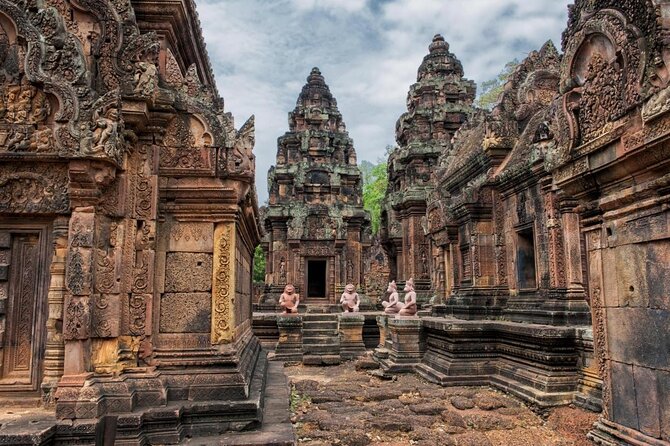
- Banteay Srei (women’s temple) in pink sandstone with some of Angkor’s sharpest carving work
- A planned route that pairs morning temples with an afternoon set that includes Banteay Samre and Pre Rup
- AC transport and bottled water, plus pickup offered for Siem Reap stays
- A guide who translates the temples, not just recites dates
- Strict temple dress code, which is easy to handle if you plan your outfit
Why this Grand Circuit works when you want variety
This is a smart “second Angkor day” option. If you’ve already tackled the big names (or you just want a break from the busiest circuits), this route leans into quieter stops while still giving you headline wow moments.
The day is built around a contrast. You start with temples tied to King Jayavarman VII’s era, then you finish with Banteay Srei and other Hindu-focused sites. That back-and-forth matters because Angkor is not one style or one religion—it’s layers, and this tour helps you see the layers.
I also like the pacing concept. You’re not trying to squeeze everything into one giant sprint. You get short-to-medium visits at each temple, so you can actually look closely at carvings and details.
You can also read our reviews of more tours and experiences in Siem Reap.

Getting there: pickup, AC comfort, and the Angkor Pass plan
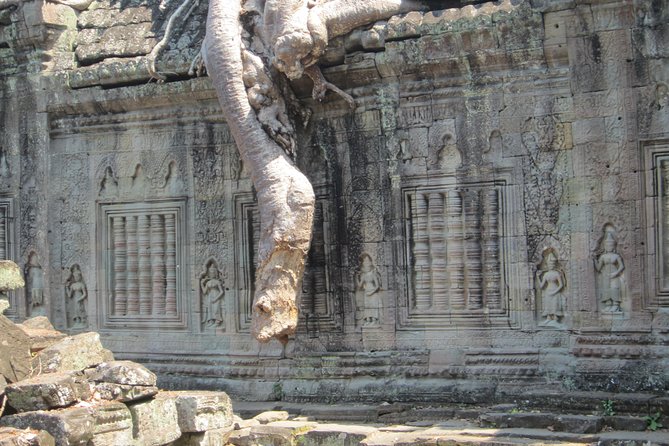
You’ll get pickup offered from Siem Reap (where available) and ride in an AC car, minivan, or minibus. That’s more than a convenience. In Siem Reap heat, the ability to cool down between temple clusters can keep your energy up for the afternoon.
You should plan for the Angkor Pass either way. The tour includes a stop so you can buy the pass if you haven’t got one, which is a big help if you’re arriving without tickets ready. If you already have your pass, you’ll just move straight into the temple schedule.
One practical note: the tour includes bottled drinking water, but your lunch is not included. If you’re the type who likes to snack between stops, consider bringing a small extra water or a simple snack with you—only if your guide allows it at the stops.
Morning temples: Preah Khan, Banteay Prei, Neak Pean, Ta Som, and East Mebon
Your morning group of temples is built around King Jayavarman VII’s 12th-century influence. The sites don’t all feel identical, but they share a visual “language” you’ll start to recognize as the morning goes on.
Preah Khan
Preah Khan, built in the 12th century, is dedicated to King Jayavarman VII’s late father and is sometimes translated as Royal Sword. This is a temple where you’ll want to slow down. Even if your time is limited, look for the way the layout guides you through gates and courtyards.
A good strategy: walk in, then step back and get your bearings before you start hunting for carvings. It’s easy to get turned around in big temple complexes.
Banteay Prei
Banteay Prei is on the morning lineup, and this is the kind of stop that can feel quieter and more local. If you like temples that aren’t constantly swarmed, this is where you can catch a calmer rhythm.
Neak Pean (Entwined Serpents)
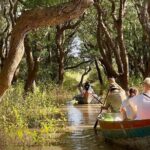
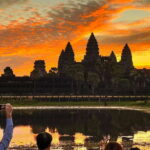
Neak Pean means Entwined Serpents. It’s a Buddhist temple built on a man-made island in the middle of a water feature. That island setting changes the whole feel of the visit—you’re not just walking through stone corridors; you’re looking at reflections and the way the structure sits within water.
If you like photos: Neak Pean is one of the better spots in the day for a reflective, symmetrical look, assuming the light cooperates.
Ta Som
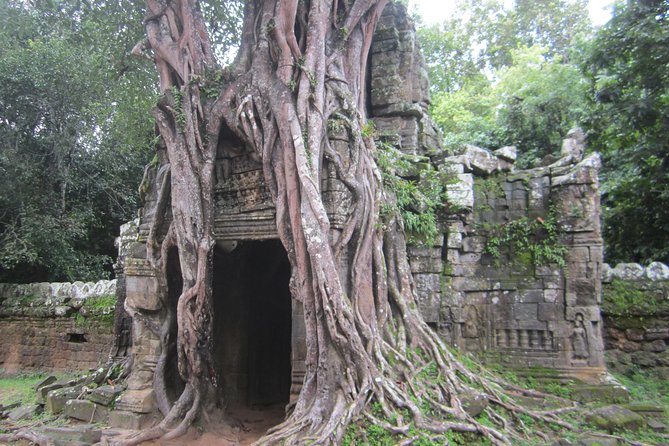
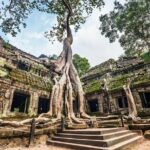
Ta Som is another Jayavarman VII temple from the 12th century. This is a shorter stop, so you’ll want to pick what you want most: gate details, root-covered corners, or doorway carvings.
Even with limited time, it’s worth circling once rather than just moving straight through. The “second view” is often where you notice something you missed the first time.
Eastern Mebon
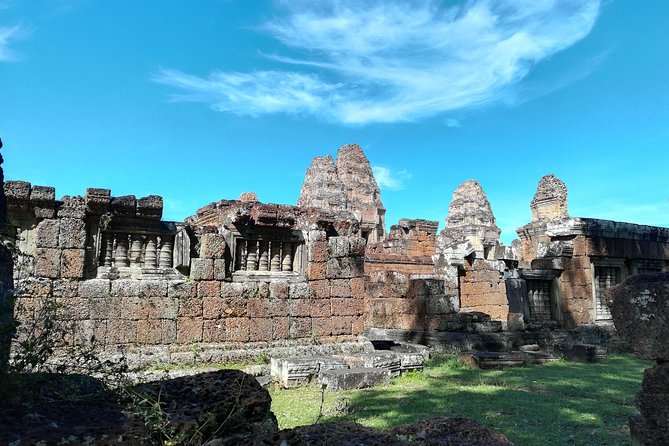
Eastern Mebon is an early Khmer architecture example from the 10th century. One of the nice things about this stop is how it breaks the morning’s 12th-century feel. It helps you understand that Angkor’s buildings span eras, not just one period.
If your feet are tired, Eastern Mebon is a good point to catch your breath while still enjoying a meaningful temple.
Lunch: plan it your way (and don’t underestimate the gap)
Lunch is on your own account. The tour notes that the restaurant will be recommended, which can save you time and keep you from wandering at peak heat.
Here’s how I’d handle lunch: eat what you know you can digest comfortably, then give yourself a little recharge time. Temple days are sneaky—stone + sun + walking add up fast.
If you’re sensitive to spicy food or very air-conditioned restaurants, tell yourself ahead of time that lunch is a reset, not an adventure. That keeps the afternoon enjoyable.
Afternoon temples: Banteay Srei, Banteay Samre, and Pre Rup
The afternoon is where your day sharpens. You’re going from quieter stops into temples people travel for.
Banteay Srei (Citadel of the Women)
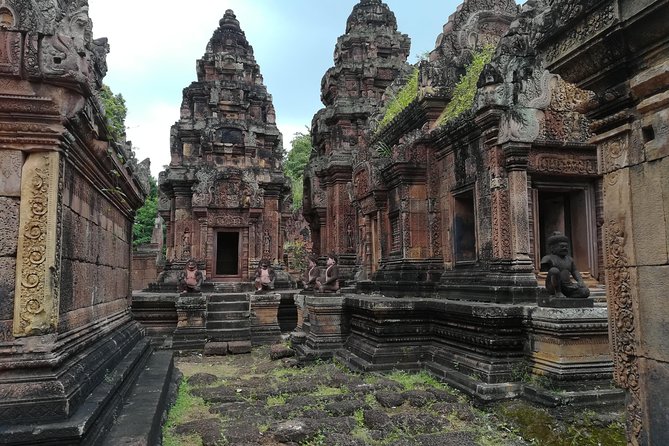
Banteay Srei is often called the Citadel of the Women, and it’s famous for intricate carvings in pink sandstone. This is one of the best temple choices in the whole Angkor region for people who love details—faces, motifs, and Hindu-themed iconography.
It also has a slightly different mood. Compared with larger complexes, Banteay Srei’s scale makes it easier to inspect carvings without feeling like you’re just passing through.
One thing to watch: your eyes will want to linger. Give yourself a few minutes at each cluster of carvings, but don’t try to photograph everything. Pick your favorites and let the rest be background.
Banteay Samre
Banteay Samre is another Hindu-temple stop after Banteay Srei. It pairs well because you’re not bouncing randomly—you’re moving forward in the story of Khmer temple design and religious context.
This stop is a key part of why the tour feels like a “circuit,” not just a list of monuments. The afternoon flow keeps your day cohesive.
Pre Rup
Pre Rup is a Hindu temple built in the late 10th century, dedicated to Lord Shiva. It’s a great finish because it offers a classic temple experience: structured levels and a strong sense of place.
If you’re going for photos, Pre Rup tends to reward a careful approach. Step back often. Temple shapes look different when you view them from multiple angles.
Dress code and photo tips that prevent hassles
Angkor temples have a strict dress code: cover your thighs and shoulders. If you show up without the right clothing, you may be refused entry, which can instantly wreck your schedule.
This is one of the easiest issues to handle if you plan a tiny bit:
- Wear long pants or loose trousers
- Bring a light wrap or scarf for shoulders
- Skip anything that’s too short, even if it’s hot
For photos, use the same rule you’d use in museums: slow down for the key details. When you rush, you end up with dozens of average shots instead of a handful that really capture the carving style.
Also, keep your phone camera clean. Pink sandstone and laterite dust are not friends of sharp lenses.
Price and value: what $59 really means (plus the pass)
At $59 per person, this tour is positioned as an affordable way to see standout temples without paying for a fancy private driver all day.
But you should budget the pass separately. The one-day Angkor Pass costs $37 per person, and entrance fees are not included. That puts you near $96 per person for transport + guide + water + tickets to the temple sites, before lunch and any snacks.
Is that good value? In my view, yes—if you fit the tour’s sweet spot: you want more temples beyond the main circuit, you like understanding what you’re seeing, and you don’t mind planning around the pass.
It’s less of a deal if you only care about one or two sites. This route works best when you’ll actually enjoy several stops and pay attention to details.
Who this tour fits best in Siem Reap
This tour makes the most sense if you:
- Already visited the biggest Angkor highlights and want a different set of temples
- Prefer a guided day where the temple meanings are explained clearly
- Want AC comfort and a structured plan so your time doesn’t melt away
- Like variety: Hindu and Buddhist sites in one day, plus different architectural eras
It’s also a good fit for people traveling with mixed interests—someone who loves carvings gets Banteay Srei, and someone who likes dramatic temple settings gets Pre Rup and the water-themed Neak Pean.
The tour is marked as private in the sense that it’s only your group. That can feel calmer at the stops, especially when you want time to ask questions and not rush other people.
Should you book the Grand Circuit with Banteay Srei and Banteay Samre?
I’d book it if you’re aiming for a meaningful day that isn’t just the standard list. The blend of Banteay Srei’s carving focus with other respected temples is exactly how you get the most “Angkor meaning per hour.”
I’d think twice if you’re trying to minimize total temple spending, because the Angkor Pass adds a significant chunk. You’ll also want to be ready for the dress code. Pack for it, and you’ll glide through.
If you want a second Angkor day that feels intentional—more quiet, more detail, less stamp-collecting—this one is a strong choice.
FAQ
FAQ
How long is the tour?
The tour runs about 8 to 9 hours.
What does the $59 per person price include?
It includes an English-speaking tour guide, transportation (AC car/minivan/minibus), and bottled drinking water.
Is the Angkor Pass included?
No. The tour notes that the one-day Angkor Pass is $37 per person and entrance fees are not included. The tour can help you buy the pass if you don’t have one.
Do I pay for lunch?
Yes. Lunch is not included, and a restaurant will be recommended.
What temples are visited?
The itinerary includes Preah Khan, Banteay Prei, Neak Pean, Ta Som, East Mebon, Banteay Srei, Banteay Samre, and Pre Rup.
What is the dress code for the temples?
You must cover thighs and shoulders. If you don’t have the right clothing, you may be refused entrance.
Is there pickup?
Yes, pickup is offered.
Is it a private tour or shared group?
It’s listed as a private tour/activity, meaning only your group participates.
What ticket format do I receive?
The tour offers a mobile ticket.
What’s the cancellation policy?
It has free cancellation, with full refund if you cancel up to 24 hours in advance of the experience start time.
If you tell me your travel dates and whether you already have the Angkor Pass, I can help you sanity-check the total cost and time plan.