REVIEW · SIEM REAP
Angkor Sunrise or Sunset Tour (includes breakfast or lunch)
Book on GetYourGuide →Operated by Siem Reap Shuttle · Bookable on GetYourGuide
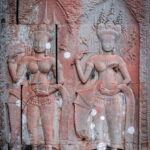
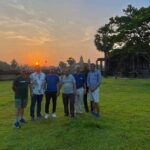
Waking up before the birds is part of the magic. This Angkor Sunrise tour is built around soft morning light, temple carvings with context, and photo stops you can actually enjoy without sprinting.
I especially like the small group size (up to 10) and the calm, hands-on guiding style many groups get. Guides such as Phyrom, Sam, Lok, and King Kong are repeatedly praised for clear explanations, humor, and stepping in to help with photos at the right moments.
One consideration: the temple pass isn’t included (you’ll need to buy entry tickets separately), and sunrise can still be cloudy some mornings, so your lighting may vary.
In This Review
- Angkor Sunrise Tour Key Points You’ll Care About
- Start Before The Sun: Pickup Timing And What It Means
- Angkor Wat Sunrise: The Best Hour For Light And Detail
- Angkor Wat To Royal Bath Area: Breakfast By Srah Srang (And Why It’s Smart)
- Ta Prohm’s Tree Roots: Cinematic Temple Magic Without The Chaos
- Bayon Temple At Angkor Thom: The Iconic Faces Up Close
- Beyond The Big Three: Getting Value From A Short, Focused Route
- Comfort And Group Flow In The Van And On Foot
- Price And Tickets: What You’re Really Paying For
- What To Bring (And What To Leave Behind)
- Dress Code And Temple Etiquette: Avoiding A Last-Minute Headache
- Who This Tour Suits Best (And Who Might Want A Different Plan)
- Should You Book This Angkor Sunrise Tour?
- FAQ
- What time is hotel pickup for the sunrise tour?
- Does the tour price include Angkor entrance tickets?
- What meal is included?
- Which temples are included?
- How long does the tour take?
- Is the guide English-speaking?
- Is the group small?
- What comfort items are included?
- What should I wear?
- What should I bring for the day?
Angkor Sunrise Tour Key Points You’ll Care About
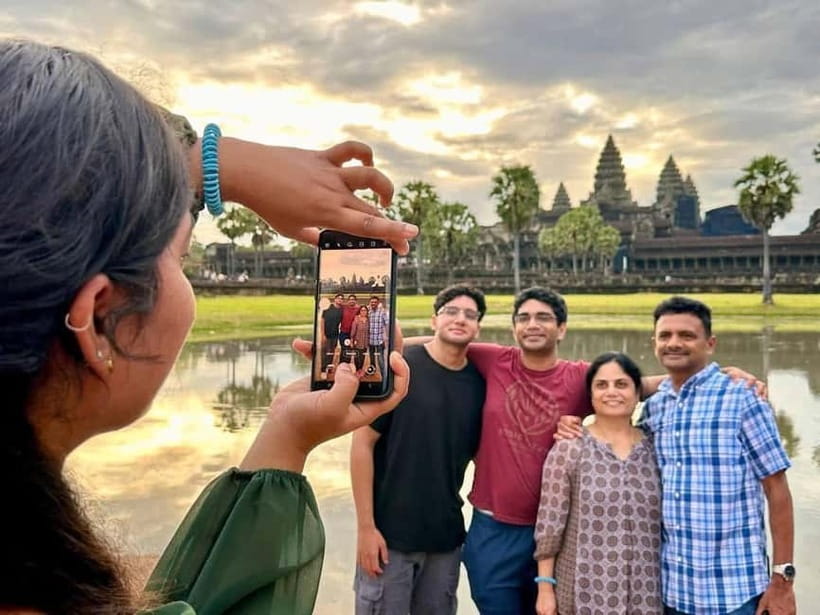
- 4:20am pickup from Siem Reap (early enough to beat the heaviest crowd crush)
- Angkor Wat sunrise plus a guided circuit through Angkor Thom, including Bayon’s face towers
- Ta Prohm with the famous tree roots made legendary by Tomb Raider
- Meal in the Angkor area near Srah Srang / Royal Bath (breakfast on sunrise format)
- Comfort touches like air-conditioned van, bottled water, and cold towels, with an English-speaking guide
Start Before The Sun: Pickup Timing And What It Means

If you struggle with early starts, this tour is still manageable because it’s designed to reduce wasted time. You’re picked up around 4:20am (some departures are closer to 4:30am), then you head straight to the Angkor area. That early start is a big deal. It gives you a shot at the best light on the stone and keeps the day from feeling like you only see temples from behind elbows.
The other quiet win is how the tour flows. You’re not just dropped at temples and left to figure it out. You get a safety briefing, a professional English-speaking guide, and a schedule that stacks the most iconic moments early while your energy is high.
Small group matters too. With a maximum of 10 participants, you’re less likely to get lost in a big crowd and more likely to hear explanations clearly. That also makes it easier for your guide to coordinate meeting points when you break off briefly for photos.
You can also read our reviews of more tours and experiences in Siem Reap

Angkor Wat Sunrise: The Best Hour For Light And Detail
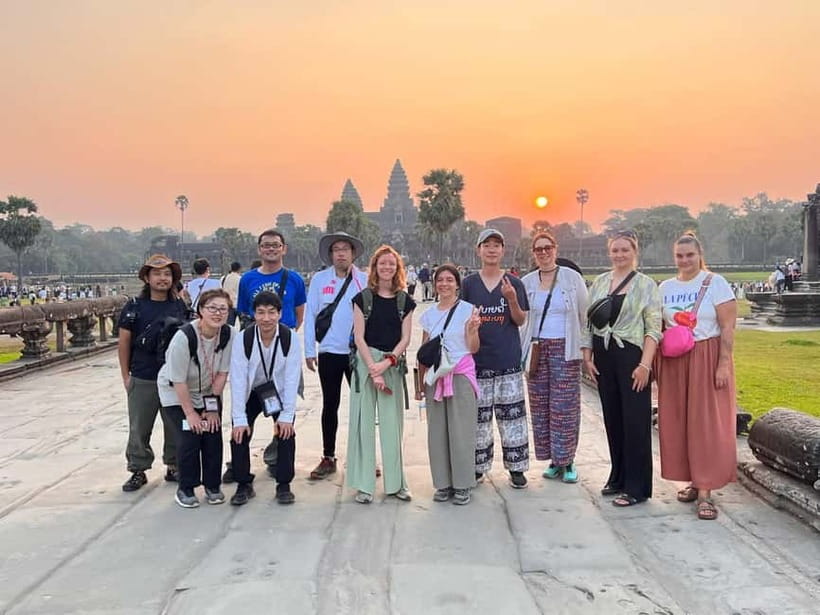
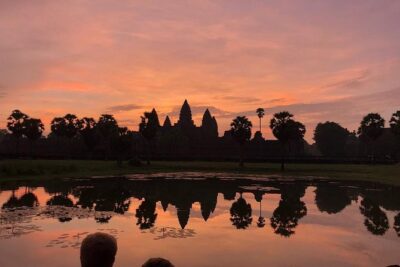
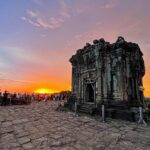
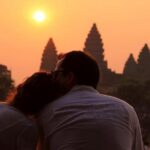
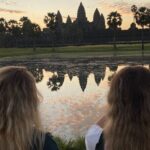
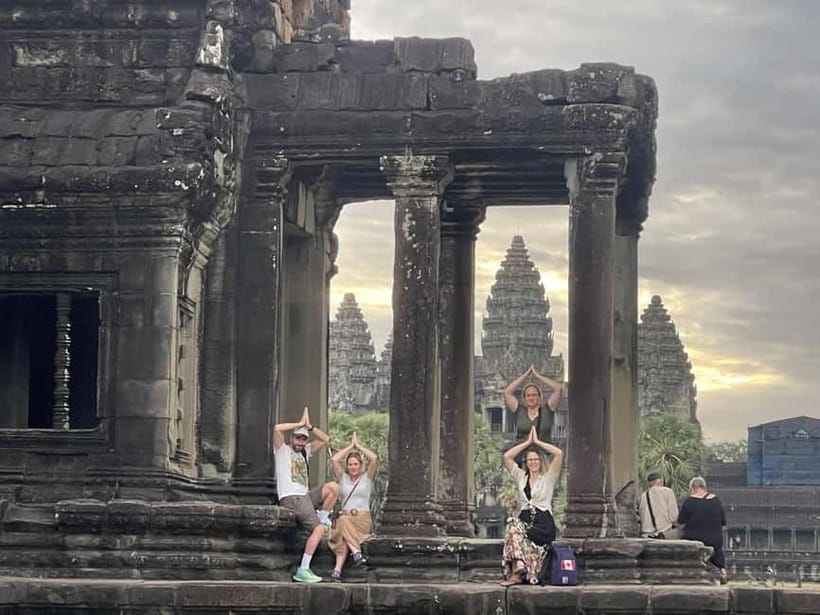
This is the reason many people book. You visit Angkor Wat inside the Angkor Archaeological Park early enough to catch sunrise conditions. The payoff isn’t only the view over the complex. It’s the way the carvings and layout show up in soft morning light, when shadows aren’t brutally sharp.
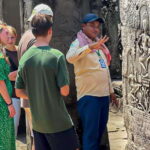
A good guide helps you read what you’re seeing. Multiple guides on this tour style their commentary to make sense of the temple’s symbolism and how different parts fit together. Guides like Ra, Dara, Ry, and Phyrom are mentioned for being able to explain what matters without turning it into a lecture. You’ll also benefit from their eye for timing and angles, especially if you’re taking photos alone.
Do plan for weather. One traveler noted sunrise was missed due to clouds, but the rest of the experience still landed well because the day continued with the key temples and good pacing. In other words: even if sunrise lighting isn’t perfect, you’re not paying only for a single moment.
Angkor Wat To Royal Bath Area: Breakfast By Srah Srang (And Why It’s Smart)
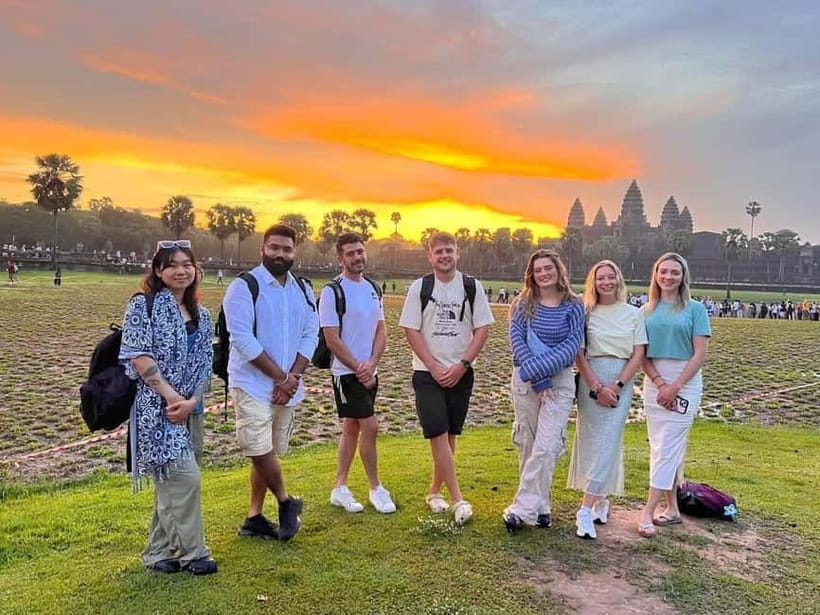
After sunrise, you eat near Srah Srang / Royal Bath at a local restaurant inside the Angkor complex area. The menu options include a Khmer breakfast style with items like rice porridge and salted duck egg, plus alternate choices like fried rice with chicken or an English-style breakfast (bread, baked beans, omelette, hot dog, and fruit).
This meal setup is more useful than it sounds. You’re feeding yourself before the hottest, busiest part of the day, so your temples later don’t feel like a chore. It’s also handy that the meal is built into the temple area timing—less back-and-forth to town.
One practical note: the breakfast venue can be pricier than convenience-food back in Siem Reap. If you’re prone to buying extras like drinks or snacks, bring small change for those impulse purchases so you’re not hunting for cash while everyone else is moving.
Ta Prohm’s Tree Roots: Cinematic Temple Magic Without The Chaos
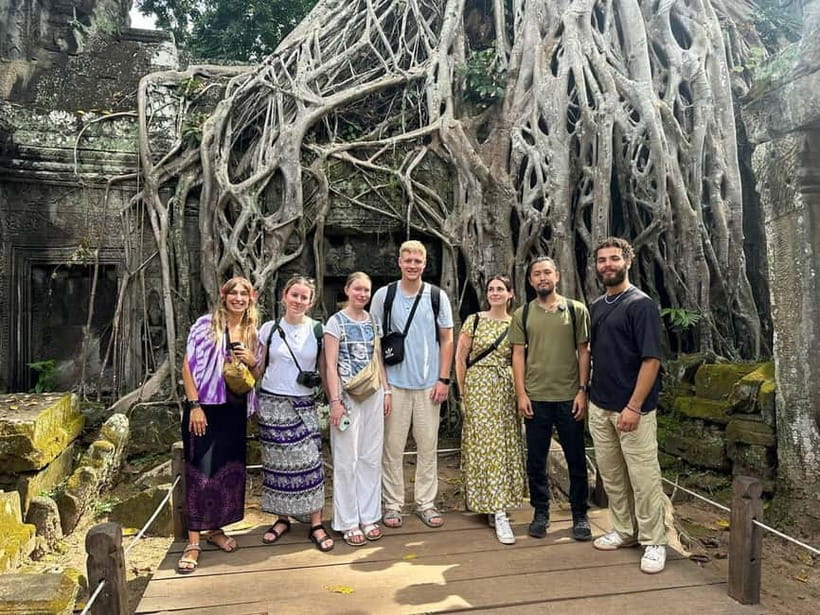
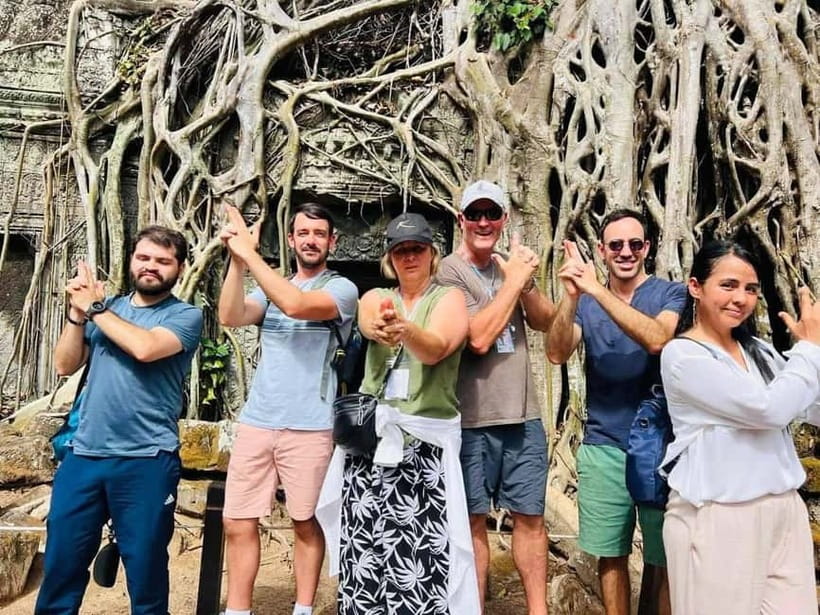
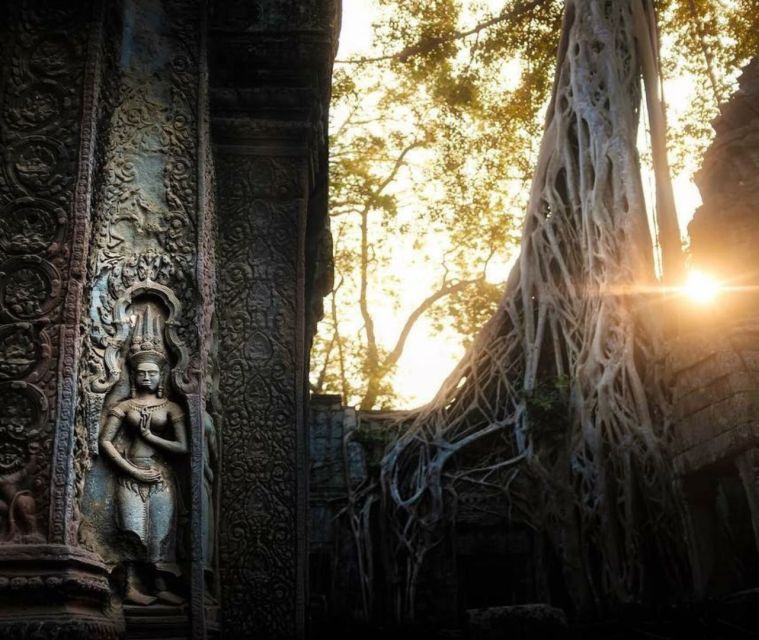
Next comes Ta Prohm, the famous “Tomb Raider” temple. The star isn’t subtle. It’s the scale of the tree roots wrapping around stone, plus the way the light changes through the foliage. If you like photography, this is often where your lens gets the most action, because the temple textures look different from one minute to the next.
The best part of a guided run here is direction. Your guide should help you avoid wasted walking and pick better viewpoints. Many guides are praised for this exact thing—knowing where to stand and when to shoot so you’re not constantly backtracking.
Ta Prohm can also feel crowded because it’s so widely photographed. A small group helps. You’re more likely to get space around you for a few minutes at the right angles, and the guide can keep everyone moving together without rushing away from key sights.
Bayon Temple At Angkor Thom: The Iconic Faces Up Close
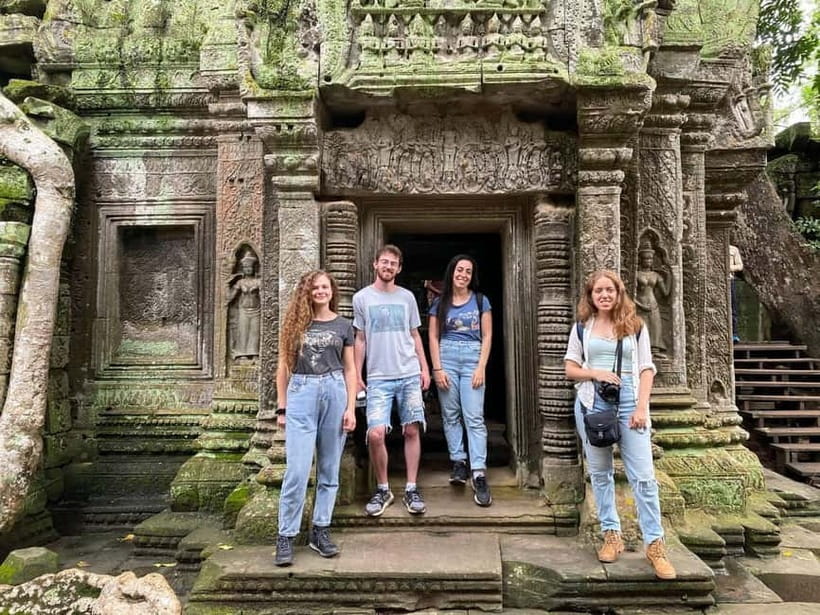
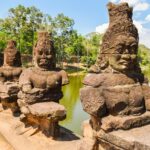
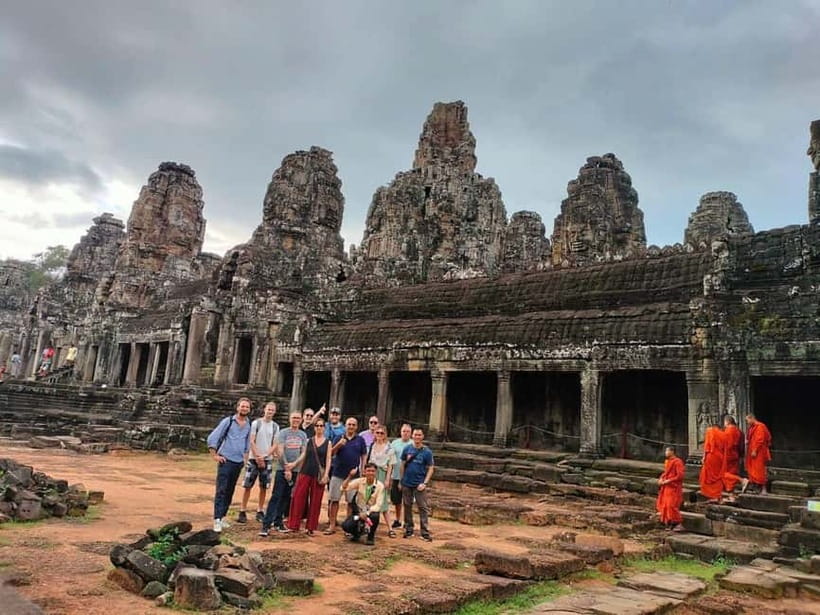
After Ta Prohm, you move to Bayon Temple, at the heart of Angkor Thom. The famous feature here is the set of stone towers crowned with multiple serene faces of Avalokiteshvara. When you first see them, it’s easy to think it’s just a striking design. When your guide explains the symbolism and how the faces relate to the temple’s role, the whole place feels more intentional.
This is also where the tour’s pacing helps you. If you come straight from Ta Prohm, you’ve just experienced wild, jungle-linked drama. Bayon then shifts you into something more formal and steady—faces that feel watchful, carved in a way that makes you feel like the temple is turning its attention toward you from every direction.
If you’re into photos, this is a spot where viewpoint choice matters more than megapixels. Guides who are enthusiastic photographers—people like Lok and Pip/Pheap are named for this—tend to time regrouping so your shots aren’t ruined by everyone sprinting to the same spot at once.
You can also read our reviews of more evening experiences in Siem Reap


Beyond The Big Three: Getting Value From A Short, Focused Route
A key advantage of this tour format is that it doesn’t try to swallow the entire Angkor complex in one day. You hit major anchors: Angkor Wat, Bayon, and Ta Prohm, which are the temples most people actually want to see. But you also get structured stops that help you connect the story of Angkor Thom rather than treating each temple as a separate postcard.
That’s value. A guided route like this helps you get your bearings fast and then spend your limited time looking at what matters. When your guide points out small details—like carvings, stone layout, and how different parts fit—you end up feeling like you understood the temple instead of just walking through it.
One more practical value: you’re not stuck thinking about logistics. The tour includes bottled water, cold towels, and an air-conditioned vehicle. In Siem Reap heat and humidity, those little touches are not fluff. They help you keep going and keep the day from turning into a sweat-fueled scramble.
Comfort And Group Flow In The Van And On Foot
Transport is a mix of comfort and timing. You travel by air-conditioned van with insurance and liability coverage, and you get pickup and drop-off around Siem Reap city. The ride segments are long enough that comfort matters, but not so long that you lose your morning.
On foot, you’ll be dealing with uneven ground and lots of walking. This isn’t a gentle stroll. The tour isn’t recommended for guests with mobility issues or wheelchairs, and it’s not suitable for children under 12. If you’re planning your day around photos and temple steps, wear shoes that grip well.
The good news is that guides keep you organized. Several reviews mention clear meeting points, waiting for people who are slow off the mark, and stepping in quickly if someone needs help. That’s especially useful if you’re traveling solo and want a bit of structure.
Price And Tickets: What You’re Really Paying For
The listed price is $15 per person, which is extremely low for a guided Angkor day with hotel pickup and the main temples. The catch is straightforward: Angkor entrance tickets are not included.
A review mentions an additional $37 USD for the temple ticket. That means your real spend is more than the headline figure, but you’re still likely getting good value because the tour includes:
- hotel pick-up and drop-off in Siem Reap city
- a professional English-speaking guide
- bottled water and cold towels
- your meal near Srah Srang / Royal Bath
- vehicle transport in a small group (max 10)
So, how do you judge it? If you’re going to see Angkor Wat, Bayon, and Ta Prohm in one go, paying extra for a guide can beat the cost of piecing together multiple taxis plus a self-guided struggle. The tour’s strength is not only convenience—it’s how much you get from the carvings and layout when someone explains what you’re looking at.
What To Bring (And What To Leave Behind)
This tour has a simple packing list, but the details matter because you’ll be walking and temples have rules.
Bring:
- hiking shoes with good grip
- sunscreen
- insect repellent
- cash (useful for drinks and snacks)
Also bring practical sun protection for hot season—hat and umbrella are recommended.
Not allowed:
- pets
- baby strollers
- smoking
- luggage or large bags
- alcohol and drugs
This is why you’ll want a small day bag. Keep it light, keep it simple, and keep your essentials easy to reach when you stop.
Dress Code And Temple Etiquette: Avoiding A Last-Minute Headache
Temples have a clear dress code: shoulders must be covered, and shorts or skirts should be at least knee-length. It’s not just local culture. It’s the rule that keeps you from getting stopped at entry when you’re already on a tight morning schedule.
If you tend to travel light, bring a thin shirt that covers your arms and shoulders. You’ll also appreciate it for sun protection—your skin will thank you even if the morning starts cool.
Temple etiquette matters too. Respect the rules on ruins and carved areas. Don’t climb on structures, don’t touch carvings, and keep your voice down when your guide is explaining.
Who This Tour Suits Best (And Who Might Want A Different Plan)
This tour fits best if you want:
- a guided Angkor day without trying to build your own route
- early access timing for more comfortable temple visits
- strong help with history and photo angles
You’ll like it even more if you travel solo and value a guide who will help you get photos and keep you oriented.
It’s less ideal if:
- you can’t handle uneven terrain
- you need wheelchair-friendly pathways
- you’re traveling with kids under 12
- you dislike early starts (even with pickup and planning)
Should You Book This Angkor Sunrise Tour?
If you’re deciding between an all-in self-guided plan and a structured day, I’d lean toward booking this. The big reasons are the price-to-structure ratio and the consistently praised guides who help you see more than surfaces.
Book it if:
- you want the main temples in a single focused route
- you care about photography and want timing help
- you prefer a small group with comfortable transport touches like water and cold towels
Skip or switch formats if:
- sunrise timing is a deal-breaker and you don’t handle weather uncertainty well
- you need a more accessible walking plan
- you’d rather pay for tickets and explore slowly on your own
If you go, do one thing that makes the day better: wear the right shoes and dress for temples before you leave the hotel. Then you can spend your energy on the sunrise light, the stone faces at Bayon, and the strangling-tree drama of Ta Prohm.
FAQ
What time is hotel pickup for the sunrise tour?
Pickup is around 4:20am from Krong Siem Reap, with guests asked to be ready about 10 minutes before pickup in the lobby.
Does the tour price include Angkor entrance tickets?
No. Angkor entrance tickets (the temple pass/entry fee) are not included and must be purchased separately.
What meal is included?
The tour includes a meal at a local restaurant in the Angkor area near Srah Srang/Royal Bath. On the sunrise format, it’s breakfast (with multiple menu options).
Which temples are included?
The tour includes Angkor Wat (including sunrise), Ta Prohm, and Bayon Temple, plus time in the Angkor Thom area.
How long does the tour take?
The duration is listed as 7 to 9 hours, with return to town around 12:30pm to 1:00pm for the sunrise schedule.
Is the guide English-speaking?
Yes. The tour includes a professional English-speaking guide.
Is the group small?
Yes. This is a small group limited to 10 participants.
What comfort items are included?
You get cold towels and bottled water during the tour.
What should I wear?
Wear casual attire that meets temple rules: covered shoulders and shorts/skirts at least knee-length.
What should I bring for the day?
Bring hiking shoes, sunscreen, insect repellent, and cash. You may also want extra sun protection for hot weather.