Prek Toal turns a long morning into wildlife time. This full-day outing pairs a Tonle Sap Lake cruise with time in the Prek Toal Bird Sanctuary, where you paddle through flooded forests and swamps by traditional flat-bottom boat. You also get a look at stilted houses, markets, and pagodas along the water before you reach the protected reserve.
I especially like how the day is paced for real viewing, not just check-the-box stops. The small-group feel (up to 30 people) plus a dedicated bird-lake guide makes it easier to ask questions and track what’s happening out on the water.
One thing to weigh: birding results can be uneven because the tour depends on water levels. If you’re going for guaranteed high-action bird spotting, you’ll want to confirm timing and expectations after booking.
In This Review
- Key points worth knowing before you go
- An early start makes sense for Tonle Sap birds
- Stilted villages, pagodas, and a long look at life on the water
- Cruise stage: what to watch for
- Entering Prek Toal: paddling flooded forests and swamp birds
- Bird targets: what the tour promises and what to plan for
- The best time to think about birding results
- Queen Tara lunch on the water: calm, not rushed
- A conservation add-on you might encounter
- Price and value: is $206 worth it?
- Who this price fits best
- What to bring for a 6am boat day in Cambodia
- Who should book this Prek Toal day trip?
- Skip or rethink if…
- Should you book?
- FAQ
- What time does the Prek Toal Bird Sanctuary day trip start?
- How long is the day trip from Siem Reap?
- Does the tour include hotel pickup and drop-off?
- What’s included with the lunch?
- Is there a local guide?
- What kind of boat do you use in the bird sanctuary?
- Which birds are the tour highlights?
- What should I know about water levels?
- How big is the group?
- What is the cancellation policy?
Key points worth knowing before you go
- Tonle Sap Lake cruising first: you pass floating villages, markets, and stilted houses before entering the reserve
- Prek Toal is the main event: flooded forest and swamp scenery, best for spotting water birds
- Bird list is impressive on paper: over 150 species, including Masked Finfoot and Spot-billed Pelican
- Lunch is part of the experience: food and drinks aboard the Queen Tara Riverboat, in a calm setting
- Water levels shape sightings: ask again after booking and don’t assume the same bird mix every month
An early start makes sense for Tonle Sap birds
This tour starts at 6:00am and runs about 9 hours. That early kick matters on Tonle Sap because the best bird and village viewing tends to happen when visibility is good and the day hasn’t turned hot and hazy yet. It’s also quieter out on the water before crowds stack up.
You’ll travel by an air-conditioned minivan with hotel pickup and drop-off. In practical terms, this saves you from coordinating tuk-tuks or figuring out where to wait in the morning fog. The group size is capped at 30 travelers, so you’re not stuck in a mass of bodies when you’re trying to focus on birds.
Also note the weather rule: the trip operates in all weather conditions, so dress for sun, wind, and rain. The reserve itself is outdoors and on the water—this isn’t a “museum with good AC” kind of day.
You can also read our reviews of more tours and experiences in Siem Reap


Stilted villages, pagodas, and a long look at life on the water
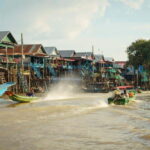
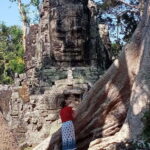
The day begins on Tonle Sap Lake, with cruising that’s meant to show you how people live with water as a highway. You’ll pass floating villages, markets, and stilted houses, plus pagodas along the shoreline areas. Even if you’re primarily there for wildlife, this first stage sets the scene and helps you understand what you’re seeing later in the sanctuary.
What I like about this approach is that it adds meaning. When you reach the bird reserve, it’s not just “random nature.” You’re seeing a working water ecosystem that supports both livelihoods and conservation.
After the Tonle Sap crossing, the plan continues toward the Sangkor River area before you enter Prek Toal. That matters because bird activity and the feel of the landscape change as water channels shift. One stretch feels like a lake journey; the next becomes slower, more sheltered, and more focused on what’s in front of you.
Cruise stage: what to watch for
If you want the best chance of sightings during the cruise portion, keep your expectations flexible. Look for birds perched near water edges and for movement when fish are active. Many water birds react fast to changing depth and calmer pockets around vegetation.
Entering Prek Toal: paddling flooded forests and swamp birds
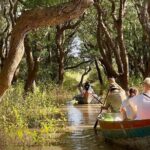
Prek Toal Bird Sanctuary is the heart of the day. Once you reach the reserve, you go into the flooded landscape—flooded forests and swamps—by traditional flat-bottom boat (the plan includes paddling around the sanctuary). That slower, closer way of traveling is a big reason this tour can feel more intimate than standard lake cruises.
This is where you’re scanning for water birds that rely on shallow and semi-flooded habitat. The sanctuary is protected, and that protection is part of the value of your day: you’re seeing the result of conservation efforts rather than just passing through a generic sightseeing spot.
Bird targets: what the tour promises and what to plan for
The tour highlights the chance to spot over 150 bird species, including:
- Spot-billed Pelican
- Black-headed Ibis
- Grey-headed Fish Eagle
- Masked Finfoot (rare and often the one birders hope to see)
In real life, you may not see every highlighted species on the same outing. What you can count on is the habitat and the guide’s job: scanning, pointing, and helping you sort what you’re actually looking at in the field of reeds, branches, and floating vegetation.
A useful clue comes from past experiences shared by other travelers: when water levels were high, people were more likely to see darters and cormorants that can fish in deeper water. That’s a reminder that the sanctuary is dynamic. Birds respond to water depth, food availability, and nesting timing.





The best time to think about birding results
Here’s a practical takeaway that helps you manage expectations: the best time for birding tends to be November to March, when water levels start to recede and birds are nesting. If you’re traveling outside that window, bird activity can still be there, but the mix and visibility may vary.
Because the tour is dependent on water levels, make a point of reconfirming conditions after booking. It’s not just “weather.” It’s the living schedule of the lake.
Queen Tara lunch on the water: calm, not rushed
One of the most satisfying parts of the day is the lunch stop. You’ll have lunch (with beverages and snacks) aboard the Queen Tara Riverboat. The setting is part of the meal—an atmospheric floating restaurant vibe that turns a long day into something you can actually enjoy in between bird scans.
This kind of break matters more than it sounds. For wildlife tours, fatigue can ruin your attention span. Here, the plan gives you a real reset while you’re still on the water, which keeps the day feeling connected instead of turning into “transport, then lunch, then transport again.”
If your main priority is conservation and ecology (not just ticking species), take advantage of the downtime to notice how the boat movement interacts with the surrounding water. You’ll likely see different floating plant patches and shoreline edges than you did earlier in the morning.
A conservation add-on you might encounter
Some departures include time connected to conservation work such as the Osmose conservation project, where water hyacinth is being put to good use. That’s worth paying attention to because it shows the human side of ecosystem protection—how the lake’s plant growth can be managed rather than treated as a nuisance.
Since this isn’t guaranteed in the standard “what’s included” list you’ll receive, I’d treat it as a nice potential bonus and not a strict expectation. Either way, the reserve itself is conservation-driven, so you’re still in the right place.
Price and value: is $206 worth it?
At $206 per person, this isn’t a budget half-day. But it also isn’t just a sightseeing cruise with snacks thrown in. You’re paying for a full day with:
- Hotel pickup and drop-off
- Air-conditioned minivan transport
- Local guide
- Cruising and sanctuary access
- Lunch plus beverages and snacks
The value equation here is really about what you care about. If you want conservation-focused nature time plus a guided bird-spotting route, the price starts to make more sense—especially with a group limit of 30 travelers. If you’re only hoping for birds and you’re visiting during a period when water levels reduce what’s visible, the cost can feel steep.
The best way to protect your money is simple: ask the operator to reconfirm the water-level situation and talk honestly about what birding looks like during your exact dates. This tour is affected by water conditions, so your planning matters.
Who this price fits best
This tends to be a strong fit for:
- People who enjoy guided wildlife spotting with habitat context
- Bird watchers who like a structured day with a bird-lake guide
- Travelers who also want cultural scenery (floating villages and pagodas)
It may feel less ideal if you’re traveling with a very strict “I must see X species” goal, because the sanctuary’s access and sightings shift with water depth.
What to bring for a 6am boat day in Cambodia
The tour operates in all weather, and you’ll be on boats for long stretches. Plan for getting a bit damp or windy, depending on conditions. Pack like you’re going to be outdoors early and exposed to sun later.
I’d bring:
- A light rain layer or poncho (easy to use near water)
- Sun protection (hat or cap, sunscreen)
- Comfortable slip-resistant shoes or sandals you don’t mind getting wet
- A light layer for the early morning chill
- Insect repellent if you’re sensitive to bites around water vegetation
- Personal items and cash for anything not included (personal expenses aren’t covered)
Also consider motion on the water. If you’re prone to seasickness, have your go-to remedy ready.
Who should book this Prek Toal day trip?
You’ll probably love this tour if you want a full wildlife day that also shows how Tonle Sap communities live. The combination of cruising the lake, then paddling through flooded habitat, plus a guide focused on birds is a good match for people who like to learn while they look.
It’s also a nice choice if you appreciate conservation messaging and ecosystem work. Even when birding is slower, the sanctuary habitat itself is the point—and the day gives you a strong conservation lens.
Skip or rethink if…
Rethink it if you’re booking with the sole goal of high-probability bird sightings every hour. Water levels can change what you see, and some birding days will feel quieter than others.
If that sounds like you, don’t abandon the idea—just manage expectations and confirm water conditions after booking. Timing (especially November to March) can make a noticeable difference.
Should you book?
I’d book this tour if you want a guided, conservation-minded day on Tonle Sap that goes beyond a quick photo stop. The value improves when you care about the full experience: lake life, sanctuary habitat, and lunch aboard the Queen Tara Riverboat.
If birding performance is your top priority, treat it like a wildlife day, not a guarantee. Confirm water levels after booking, and aim for travel during November to March if your schedule allows. Do that, and you’ll be far more likely to come away satisfied—whether the birds are loud and active, or just quietly doing their thing.
FAQ
What time does the Prek Toal Bird Sanctuary day trip start?
The tour starts at 6:00am.
How long is the day trip from Siem Reap?
It runs for about 9 hours (approx.).
Does the tour include hotel pickup and drop-off?
Yes. Hotel pickup and drop-off are included, with transport by air-conditioned minivan.
What’s included with the lunch?
Lunch is included, along with beverages and snacks on the boat.
Is there a local guide?
Yes, the tour includes a local guide.
What kind of boat do you use in the bird sanctuary?
You paddle around the flooded forests and swamps in a traditional flat-bottomed boat.
Which birds are the tour highlights?
The tour mentions chances to spot over 150 bird species, including Spot-billed Pelican, Black-headed Ibis, Grey-headed Fish Eagle, and the rare Masked Finfoot.
What should I know about water levels?
This tour is dependent on water levels in the lake. You should reconfirm after booking.
How big is the group?
The maximum group size is 30 travelers.
What is the cancellation policy?
Free cancellation is available up to 24 hours in advance for a full refund. If you cancel within 24 hours of the experience start time, the amount you paid will not be refunded.