REVIEW · SIEM REAP
Angkor Wat Sunset TUK TUK Tour
Book on Viator →Operated by Angkor Doors · Bookable on Viator
That first ride toward Angkor feels like time travel. You get tuk tuk mobility, an English-speaking guide, and a well-paced circuit through the big-hit sights from Ta Prohm to Angkor Thom. The day is built for maximum sightseeing with minimal stress.
I especially like the strong organization and on-time pickup, which matters a lot when your day is based on temple schedules and heat. I also like that you’re not stuck waiting around—your tuk tuk keeps you moving between clusters of temples while your guide connects the dots on what you’re seeing. One consideration: the Angkor Pass fee ($37) is not included, so your real budget is higher than the $32 tour price.
In This Review
- Key things to know before you ride
- First impressions: what this Angkor sunset tuk tuk tour feels like
- Price and tickets: the part that affects your total cost
- Pickup timing: why the schedule details matter
- Transportation on Ramorks: fast between temple zones
- The stop at Ta Prohm: rain-forest ruins and movie fame
- Banteay Kdei and Ta Keo: quick hits that round out the story
- Angkor Wat: the main stage and the time you actually need
- Angkor Thom: South Gate, Bayon, terraces, and the Royal Palace area
- Sunset options: South Gate viewing or Phnom Bakheng
- Dress code: the rule you cannot ignore
- What you get from an English-speaking guide (and what you should ask)
- How well this tour matches different travel styles
- The value question: is $32 really a bargain?
- Who should book this Angkor Wat sunset tuk tuk tour
- FAQ
- What temples are included on this tuk tuk tour?
- How long is the tour?
- What is the tour price per person?
- What does the price include?
- Is the Angkor Pass included?
- What about food and drinks?
- Where does the tour start and when does it begin?
- What dress code do I need for the temples?
- Is this tour private?
- Can I cancel for a full refund?
- How does the sunset part work?
Key things to know before you ride
- Punctual, well-run tuk tuk transport: built for a smooth day of temple hopping without chaos
- English-speaking guidance: explanations help you recognize what each temple section is and why it matters
- Smart coverage order: Ta Prohm, Angkor Wat, then Angkor Thom, finishing with a sunset choice
- Cold drinking water included: a small comfort that actually helps in the heat
- Strict temple dress code: cover shoulders and thighs, or entry can be refused
- Admission isn’t in the $32: plan for the One Day Angkor Pass on top of the tour
First impressions: what this Angkor sunset tuk tuk tour feels like
This is the kind of Angkor day I like: you stay flexible on the ground, you get expert context, and you’re not forced into one long slog between distant sites. You’ll ride in a tuk tuk (locally referred to as Ramorks) and bounce between major temple zones in the time window you have.
The tour is priced at $32 per person, and it’s designed to feel like good value because transportation and guidance are included. You’ll also receive cold drinking water, which sounds basic until you’re walking stone corridors under a bright sky.
You can also read our reviews of more evening experiences in Siem Reap


Price and tickets: the part that affects your total cost
The sticker price is $32 per person, but the temples require an Angkor Pass (One Day Angkor Pass: $37 per person), and that is not included. That means you should budget $69 per person total just to get into the sites. Food and drinks are also not included, so plan for at least one meal on your own.
On the plus side, what you are paying for is more than a driver. You’re getting an English-speaking tour guide, tuk tuk transportation, and support to hit the main monuments without losing time figuring things out.
If you’re thinking, I’ll just hire a tuk tuk myself, the comparison is simple: that can be cheaper sometimes, but you’d be doing more planning and you might miss key context. If you want a guided circuit that runs like it has a plan, this price makes sense.
Pickup timing: why the schedule details matter
Start time is listed as 9:00 am, and there’s also a note about pickup around 8:00 am for the drive out to Angkor Wat. The safest way to handle this is to assume an earlier pickup may happen so you arrive before the temple crowds and your guide can keep the route on track.
The day runs roughly 7 to 8 hours, which is long enough to cover several distinct temple clusters, but short enough that you won’t feel like you’re trapped all day. Still, you’ll want a light breakfast and water, because the heat builds fast.
Transportation on Ramorks: fast between temple zones
Angkor’s biggest challenge isn’t only the sights—it’s the distance between them. This tour handles that with tuk tuk transport, so you’re not moving on foot between far-apart monuments.
The other practical benefit: a tuk tuk day keeps your schedule tight. You’ll move from one stop to the next, and your guide can steer you toward the most meaningful viewpoints during your allocated time at each site.
If your group has kids, older relatives, or anyone who prefers not to walk nonstop, this style of transport is usually a relief.
The stop at Ta Prohm: rain-forest ruins and movie fame
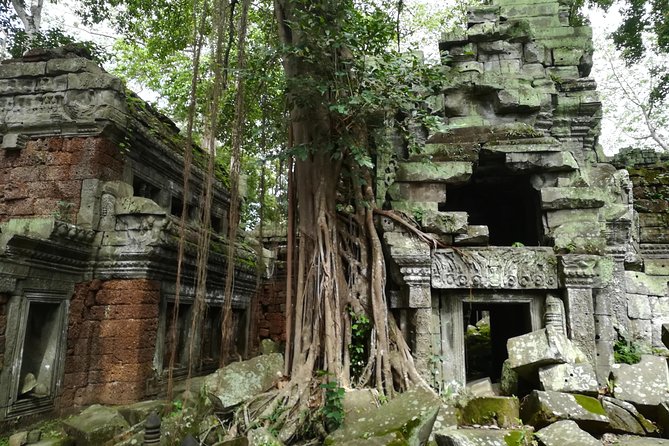
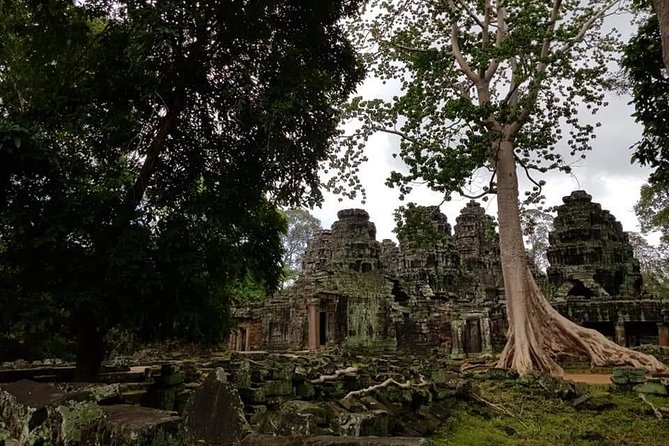
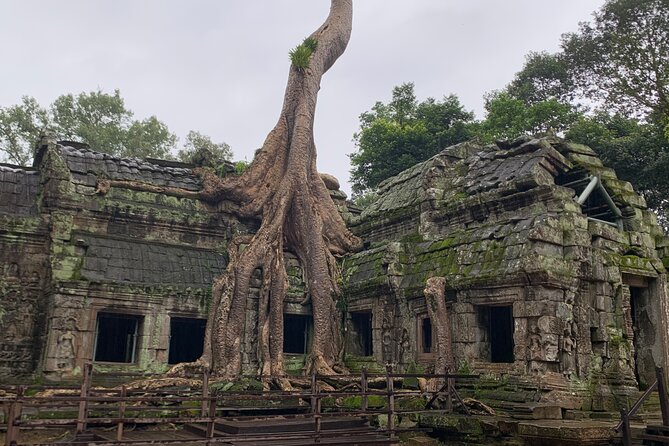
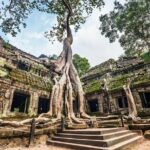
You’ll start with Ta Prohm, with about 1 hour 30 minutes on-site. This is the temple where the stone feels swallowed by the jungle. Huge trees and roots twist through the ruins, creating that iconic look people instantly recognize.
You’ll also hear the connection to pop culture: Ta Prohm has been used as a filming location for Tomb Raider. That matters because it changes how you experience it. You’re not only looking at ancient architecture—you’re also seeing why this specific temple image became famous worldwide.
One caution: Ta Prohm is visually dramatic, but you can also get “photo tunnel vision.” Use your guide to balance pictures with understanding what you’re looking at—gateways, corridors, and how the layout guides you through the ruin.
Banteay Kdei and Ta Keo: quick hits that round out the story
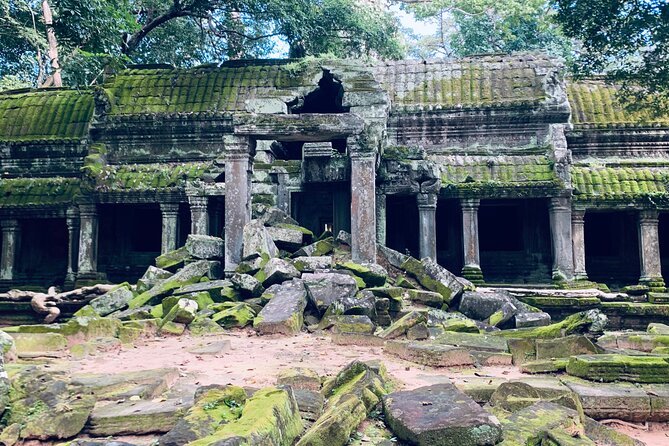
Next comes Banteay Kdei, with about 30 minutes. This is your last temple stop before heading back toward Angkor areas. The shorter time slot is a tradeoff: you’ll get the highlights, but you won’t have hours to wander slowly.
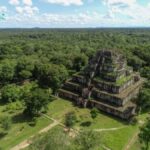
Then you’ll stop at Ta Keo for a photo or quick visit if time allows, about 30 minutes. Ta Keo tends to be a good “pause and frame” temple because it works well for quick viewpoint checks—especially if you want one more angle before the heavier hitters.
If you love deep, unhurried temple exploration, these stops may feel short. If you want a structured day that covers a lot, they fit perfectly.
Angkor Wat: the main stage and the time you actually need
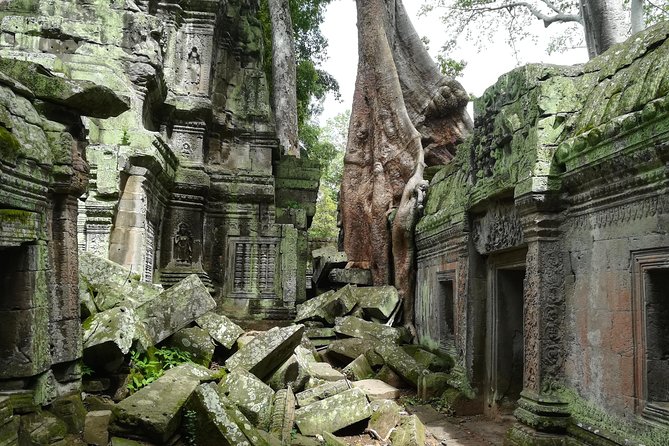
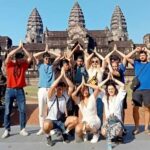
After those earlier temple stops, you’ll arrive at Angkor Wat for about 2 hours. This is your big centerpiece, and that time window is about right for most people. You’ll have time to walk key sections, pause for photos, and get an explanation of what makes Angkor Wat so central to Khmer temple design.
Your tuk tuk ride gets you into the complex and keeps the day efficient. The reality with Angkor Wat is that it’s easy to rush—so I like that the tour gives you a defined time block. You won’t feel guilty about moving on when your schedule demands it.
Also note the emotional rhythm: earlier temples like Ta Prohm feel wild and overtaken by nature, while Angkor Wat is more formal and intentional. Switching between those moods is part of what makes the day memorable.
Angkor Thom: South Gate, Bayon, terraces, and the Royal Palace area
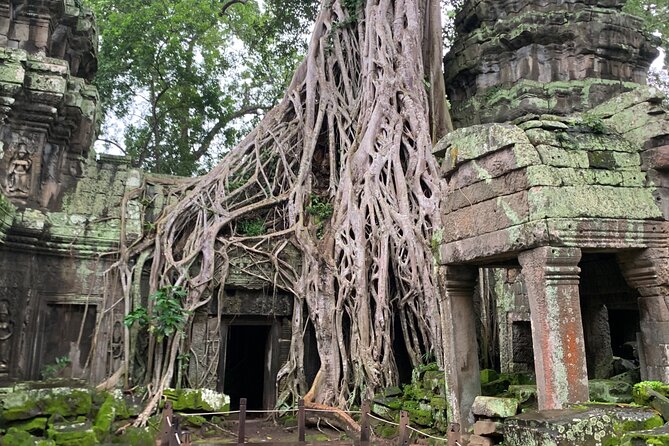
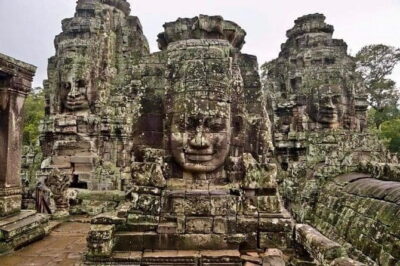
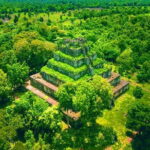
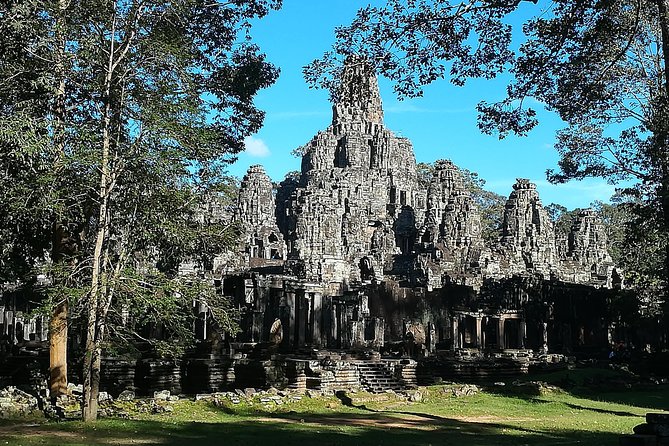
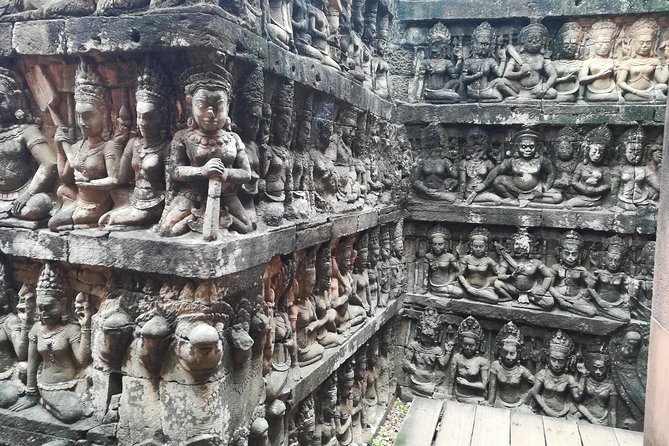
Then you’ll head to Angkor Thom, with about 2 hours. This is where the tour’s layout really helps you. You’ll see the South Gate, Bayon, Baphuon, and key terrace areas like the Terrace of the Elephants and the Terrace of the Leper King. You’ll also visit the Royal Palace and Preah Palilay.
Here’s why this stop is valuable: Angkor Thom is not one temple—it’s a whole urban-citadel experience. When you go in with a guide, the symbols and functions start to click. You begin to understand how the complex worked as a statement of power and belief.
What I’d watch for:
- Terraces can be busy for photos, but make sure you look at the carvings slowly before you sprint to the next angle.
- The South Gate is a strong orientation point, so take a minute there to reset your sense of direction.
You’ll also hear about the Old Bridge and other linked sights as part of the overall route, which helps connect the dots across the broader Angkor landscape.
Sunset options: South Gate viewing or Phnom Bakheng
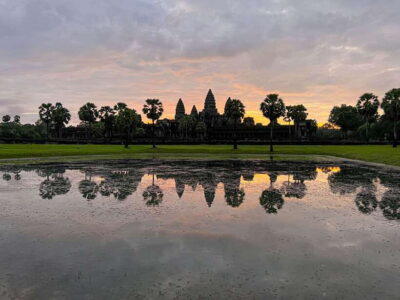
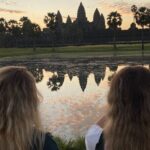
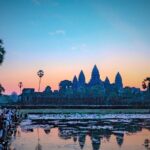
Toward the end, you’ll spend about 1 hour 30 minutes discussing sunset options tied to the South Gate of Angkor Thom or Phnom Bakheng. This is where your guide helps you choose the right viewing plan based on what you care about most—views, atmosphere, or ease.
Even though it’s called a sunset tour, your experience isn’t only about the exact moment the sun drops. It’s also about timing and placement. If you’re trying to get the full Angkor feeling—monuments framed by the last light—this final block is the part you’ll talk about later.
Dress code: the rule you cannot ignore
Temples here have a strict dress code. You must cover your shoulders and thighs when entering the temple complex. If your clothing doesn’t meet the requirement, you may be refused entrance.
This is not a minor detail. I’ve seen how quickly a “quick fix” turns into a frustrating delay. Bring a light layer, wear long shorts or loose pants, and keep it simple so you don’t lose minutes when you’re already working inside a tight schedule.
What you get from an English-speaking guide (and what you should ask)
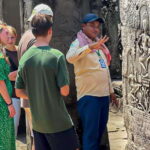
The tour includes an English-speaking tour guide, which is one of the most practical add-ons in Angkor. A guide helps you do two things fast:
1) identify what you’re looking at
2) understand why that spot matters
At Angkor, “you’re looking at a temple” isn’t the full story. You want to know why certain areas face particular directions, what the terraces were for, and how to read the temple layout without getting lost.
A simple way to get the most from your guide: ask which viewpoint is best from a specific stop, and what detail you should look for in carvings or structure. That keeps your photos from turning into a pile of similar images.
How well this tour matches different travel styles
This is a good fit if you:
- want organized transportation and don’t want to negotiate every turn
- like guided context at major sites, but still want to see a lot in one day
- travel with family (the tour has been praised as organized even for a group of eight)
It might be less ideal if you:
- want long, slow exploring with lots of downtime
- get easily frustrated by short stop times at certain temples
For most people, the balance is about right: enough time to see key highlights, structured movement to prevent wasted hours, and a guide to add meaning without turning the day into a classroom.
The value question: is $32 really a bargain?
Let’s do the real math. You pay $32 for the tour and about $37 for the One Day Angkor Pass. Add food/drinks, and you’re likely closer to a “full day out” spend than a quick add-on.
So is it worth it?
- If you value time, a guided route with tuk tuk transport is usually worth paying for.
- If you’re the type who enjoys learning as you go, the English-speaking guide can prevent “this looks cool, but I don’t know why” disappointment.
- If you hate schedules and want to wander freely, then a fixed route may feel limiting.
My take: this is good value because it’s not just a ride. It’s a coordinated circuit that aims to hit the main attractions without leaving you stuck figuring out the order.
Who should book this Angkor Wat sunset tuk tuk tour
Book it if you want a smooth Angkor highlights day with on-time coordination, a guide to connect sights, and transport that keeps walking manageable. If you’re traveling with family or a mixed group, the tuk tuk setup plus structured stop times often makes the day easier for everyone.
Skip it if you already know Angkor well and want to self-drive your own route for maximum freedom and longer temple time.
FAQ
What temples are included on this tuk tuk tour?
You’ll visit Ta Prohm, Banteay Kdei, Ta Keo (if time allows for a quick/photo stop), Angkor Wat, Angkor Thom, and the Angkor Thom South Gate area with sunset options that may include Phnom Bakheng.
How long is the tour?
The duration is listed as approximately 7 to 8 hours.
What is the tour price per person?
The price is $32.00 per person.
What does the price include?
It includes an English-speaking tour guide, tuk tuk transportation, and bottled cold drinking water.
Is the Angkor Pass included?
No. The One Day Angkor Pass is not included and is listed at $37.00 per person.
What about food and drinks?
Food and drinks are not included.
Where does the tour start and when does it begin?
The start time is listed as 9:00 am, and pickup timing may include an earlier pickup mentioned for the drive to Angkor Wat.
What dress code do I need for the temples?
You must cover your thighs and shoulders. If you don’t have the right clothing, you may be refused entrance.
Is this tour private?
Yes. It’s private, with only your group participating.
Can I cancel for a full refund?
Free cancellation is available. You can cancel up to 24 hours in advance for a full refund.
How does the sunset part work?
Your guide will explain sunset options tied to the South Gate of Angkor Thom or Phnom Bakheng, with about 1 hour 30 minutes set aside for that final segment.